Stress Ball for Anxiety & Grounding: Slow-Rising Paced Breathing Guide
Picking a stress ball for anxiety is about more than just finding something soft to hold during a busy day. When your thoughts are racing before an exam, during a crowded commute, or in the middle of a tense meeting, the physical rebound speed of what you squeeze directly influences how fast your hands move.
By comparing instant-snap rubber balls, thick maltose dough cubes, liquid-filled gel pouches, and slow-rising open-cell polyurethane (PU) memory foam, you can choose a silent tactile tool that naturally slows down your hand rhythm and never risks bursting in your bag.
Why Rebound Speed Matters When Choosing a Stress Ball for Anxiety
Most traditional stress balls are made from closed-cell rubber or thin thermoplastic elastomer (TPE) membranes that snap back in less than half a second. When you feel restless, a fast-snapping ball invites rapid, repetitive pumping of the fingers, which can unintentionally match a hurried breathing pace.
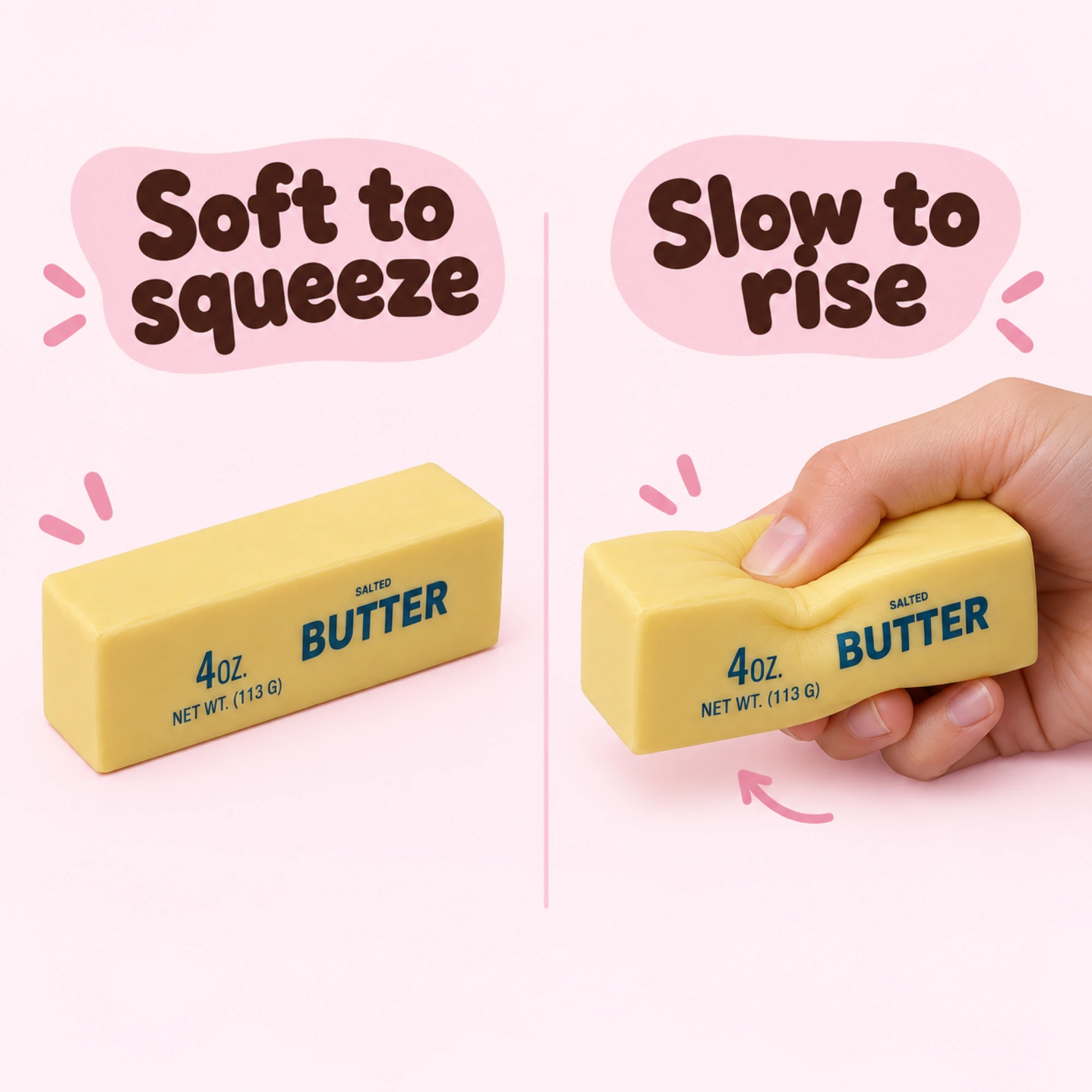
Open-cell polyurethane (PU) memory foam works on a completely different mechanical schedule. When you press a dense PU foam block flat in your palm, air vents quietly out of millions of interconnected micro-pores. Once you open your fingers, atmospheric air slowly refills those cells over 8 to 15 seconds. That drawn-out recovery gives your eyes and fingers a calm, unhurried physical timer to follow.
How to Pair a Slow-Rising PU Foam Squishy with Paced Breathing and 5-4-3-2-1 Grounding
Because a slow-rising foam stick expands on a steady multi-second schedule, it works well as a silent desk metronome for two popular everyday grounding habits:
- The 4-4-8 Squeeze-and-Rise Breathing Cadence: Inhale slowly through your nose for 4 seconds while pressing the PU foam stick flat into your palm. Hold the foam fully compressed for 4 seconds. Then open your hand and exhale gradually for 8 seconds while watching the foam rise back to its rectangular shape.
- Tactile 5-4-3-2-1 Sensory Check-In: When you need to anchor your attention in a noisy room, use the squishy for the touch step of the 5-4-3-2-1 routine. Notice three distinct physical details in your palm: the smooth dry exterior coat, the sharp 90-degree corners of the butter block, and the gentle outward push of the rising foam against your fingers.
- Silent Under-Desk Finger Rolling: During lectures or video calls where clicking fidgets would distract others, resting one palm on a slow-rising foam stick provides zero-decibel tactile feedback.
Stress Ball for Anxiety Materials: 5-Row Grounding & Safety Comparison
The table below compares five common stress ball and squishy constructions across rebound pacing, noise level, burst safety, and pocket cleanliness:
| Grounding Tool Type | Rebound Speed & Pacing | Acoustic Noise Level | Rupture or Leak Risk | Pocket & Desk Cleanliness |
|---|---|---|---|---|
| Slow-Rising PU Foam Stick | 8 to 15 sec slow visual rise | Silent (0 dB air venting) | Zero (solid open-cell foam) | High (dry micro-sealed skin) |
| Maltose Dough Stress Cube | 3 to 6 sec viscous mold reset | Silent unless slapped | Moderate (syrup leaks if punctured) | Moderate (attracts light pocket lint) |
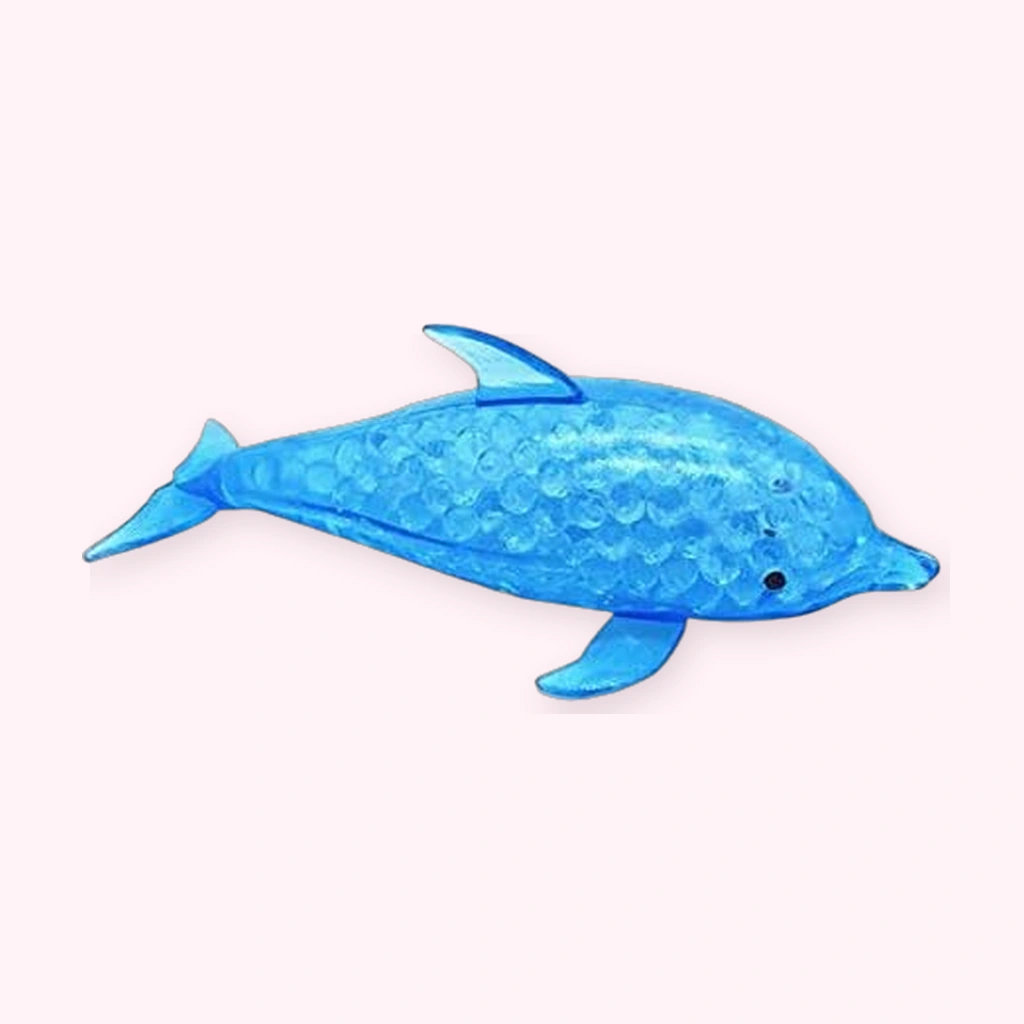
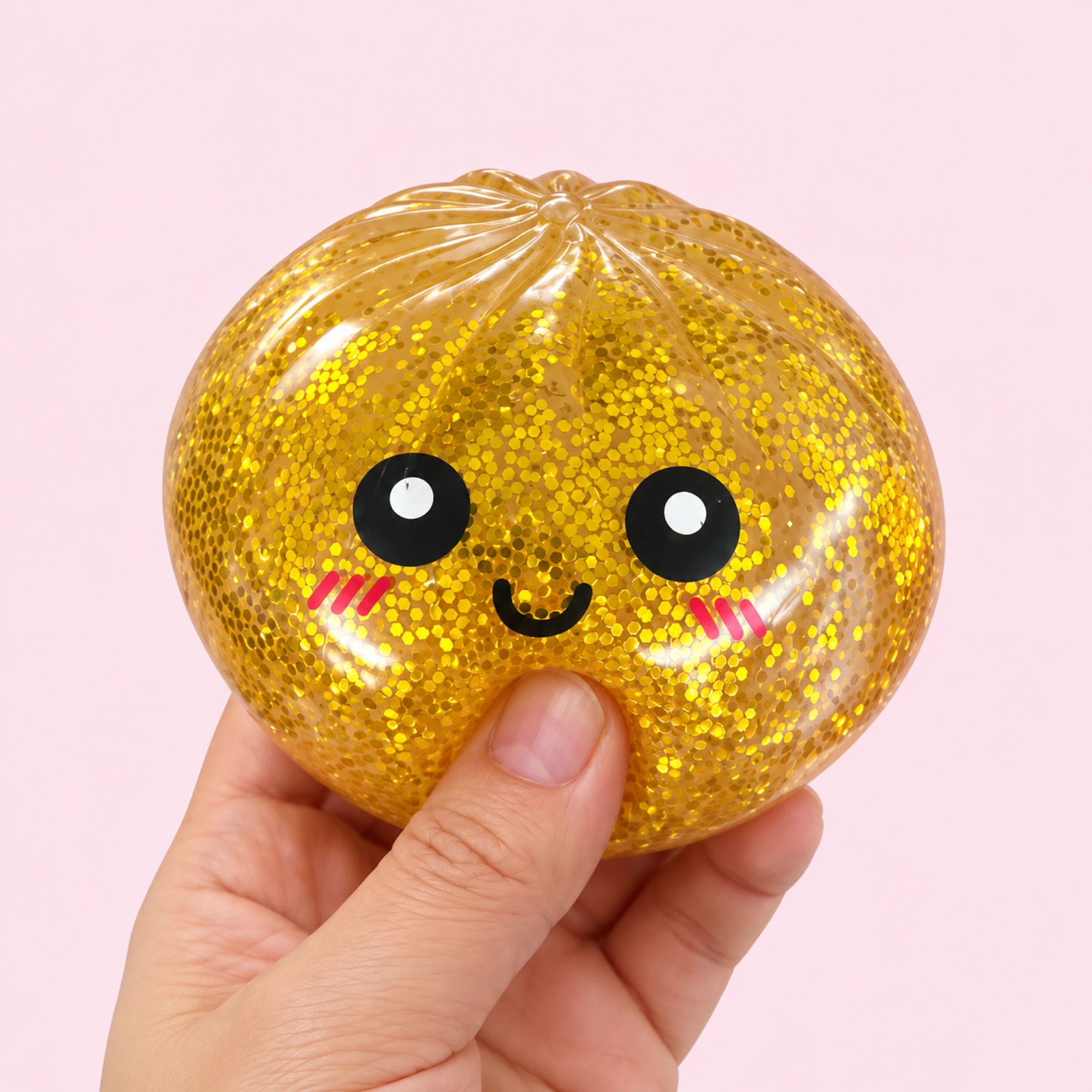
| Water-Bead TPR Gel Ball | < 1 sec fast elastic snap | Quiet squelch when pinched | High (thin membrane splits under nails) | Low if outer TPR weeps mineral oil |
| Lycra Fabric Therapy Ball | Instant firm spring back | Slight fabric rustle | Low (double-stitched pellet core) | High (washable spandex sleeve) |
| Silicone Bubble Pop Ball | Instant membrane pop | Audible snapping sound | Low (cured silicone shell) | Moderate (static dust attraction) |
Comparing membrane durability explains why solid PU memory foam is safer for school backpacks and laptop bags than liquid-filled TPR balls that can split under pressure.
Palm-Sized Slow-Rising PU Foam Butter Squishies in the FunnySquishy Catalog
For shoppers who want a dependable, leak-free slow-rising polyurethane foam fidget for daily desk grounding, the FunnySquishy catalog offers single, 2-pack, and 3-pack butter sticks:
The FS-BUTTER-005 description says it is a soft, slow-rising stick-of-butter toy made from dense premium foam, and the spec table names Material/Fill as Dense premium PU foam, size Palm-sized, and age Kids 3+ and adults. The same description gives a supplier reference weight of approx. 45 g and says weight may vary.
FS-BUTTER-005 is listed at 1299 cents, which is 12.99 US dollars, with a compare price of 2449 cents, which is 24.49 US dollars.
If you want to keep one grounding stick on your nightstand and a second stick in your work bag, FS-BUTTER-011 is a 2-pack at 1999 cents, which is 19.99 US dollars, with compareCents 3249, which is 32.49 US dollars. The spec table says Material/Fill Soft foam, size Palm-sized, shape Stick of butter, and age Kids 3+ and adults.
For households, classrooms, or counseling waiting rooms that want three matching slow-rising sticks at the lowest cost per piece, FS-BUTTER-007 is a set of three butter-stick-shaped toys at 2299 cents, which is 22.99 US dollars, with compareCents 3749, which is 37.49 US dollars.
For users who prefer a calming blue colorway with a broader two-stick full-hand block geometry, FS-BRICK-P006 is the Blue Butter Brick Squishy 2 Pack at 1999 cents, which is 19.99 US dollars, with compareCents 3749, which is 37.49 US dollars. The description says it takes a full-hand squeeze, folds flat, rises on its own slow schedule, and includes two sticks, for desk, car, and classroom.
Where to Keep Grounding Fidgets for Desk, Commute, and Classroom Use
Having a tactile grounding tool within reach before stressful moments build up makes daily routines much smoother:
- Keep One Dedicated Stick Beside Your Keyboard: Leave a clean PU foam stick right next to your mouse pad so you can run through three slow squeeze-and-rise breathing cycles between meetings or study blocks.
- Pack a Sleeved Backup in Your Commute Bag: Carry a second stick from a 2-pack or 3-pack inside its clear polybag sleeve in your backpack or coat pocket so it stays free of key scratches and lint during transit.
- Store Away from Sharp Pens and Scissors: While solid open-cell PU foam never leaks liquid, keeping foam sticks in a separate pouch away from uncapped ballpoint pens and metal nail clippers preserves the smooth outer paint coat.
Frequently Asked Questions
Why do some people prefer slow-rising PU foam over gel stress balls for anxiety?
Gel and rubber stress balls snap back instantly, which can encourage fast, tense hand pumping. Slow-rising polyurethane (PU) foam takes 8 to 15 seconds to expand after a squeeze, acting as a calm visual and tactile pace-setter for slow exhale breathing.
Can a solid PU foam butter squishy burst or leak in a backpack like a liquid stress ball?
No. Unlike TPR gel balls filled with liquid syrup, starch, or water beads, a PU foam butter squishy is molded from solid open-cell memory foam. Even if compressed under heavy textbooks, it cannot burst or spill liquid onto electronics.
Which FunnySquishy multi-packs let you keep separate sticks for home, car, and classroom?
The FS-BUTTER-011 2-pack ($19.99 USD) and the FS-BRICK-P006 Blue Butter Brick 2-pack ($19.99 USD) each provide two sticks, while the FS-BUTTER-007 3-pack ($22.99 USD, or approx. $7.66 USD per stick) provides three sticks for rotating across your desk, car, and bag.