


Squishy means soft, yielding, and slightly wet-sounding — the kind of give that squashes under your fingers and doesn’t fight back. That’s the adjective, and it’s been doing quiet work in English for a long time. The noun is newer: a squishy is a slow-rising foam toy made to be squeezed. Here’s the full squishy meaning, from dictionary page to toy aisle.
Squishy Meaning, According to the Dictionary
Dictionaries generally land in the same place: squishy describes something soft, easily squashed, and often a little damp in character — mud, overripe fruit, marshland. It’s built on “squish,” a word commonly described as imitative: it sounds like the thing it names, and it keeps company with squash, squeeze, and squelch in the same noisy family.
The informal senses branch from there. A squishy argument is vague, squishy numbers are soft, a squishy deadline is negotiable, and squishy feelings are the sentimental kind. Ask someone to define squishy out loud and watch their hand — most people squeeze the air before they find words, which tells you the definition of squishy lives in the palm as much as on the page.
One Word, Four Jobs
- The literal adjective. Mud after rain, a marshmallow, rain-soaked sneakers. Physically soft, yielding, faintly squelchy.
- The figurative adjective. Soft-edged and imprecise — squishy budgets, squishy rules, squishy hearts.
- The gamer slang. In game chat, the squishy is the fragile teammate — big damage, paper defenses. “Protect the squishy mage” is a complete tactical briefing in five words.
- The noun. The toy: a slow-rising foam shape built for squeezing. Bonus sense — the affectionate nickname, which a certain animated jellyfish scene (“I shall call him Squishy”) cemented into pop culture.
From Adjective to Aisle: How a Texture Became a Category
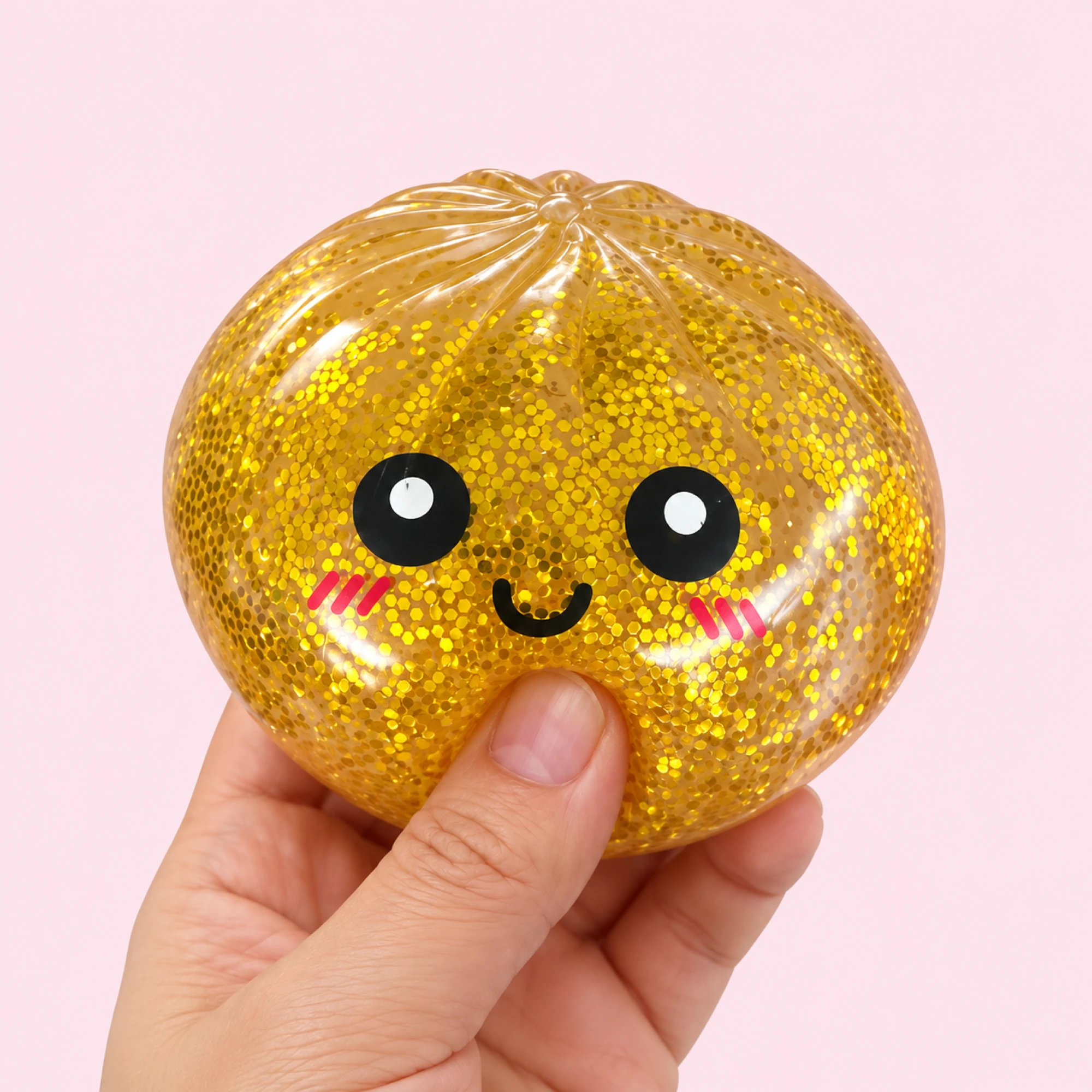
The toy sense grew up through the 2010s, commonly credited to kawaii culture — scented buns, smiling peaches, pastel everything — and to video. Slow-rising foam turned out to be strangely perfect for cameras: the slow re-rise gives every squeeze a second act, so unboxing and ASMR channels ran the loop endlessly, and “squishy” hardened from a description into a product name.
The grammar shift is the tell that a trend became a category. Once people started saying “a squishy” and “my squishies” — article attached, plural available — the word had officially taken a second job as a countable noun. Adjectives don’t get shelf space; nouns do.
The category kept evolving after that. Butter-style squishies pushed the texture denser and slower, and that chapter has its own origin story in why butter squishies went viral. The speed of the rebound became the defining spec — the split that slow-rising vs fast-rising squishies unpacks feel-by-feel.
What Counts as a Squishy Today
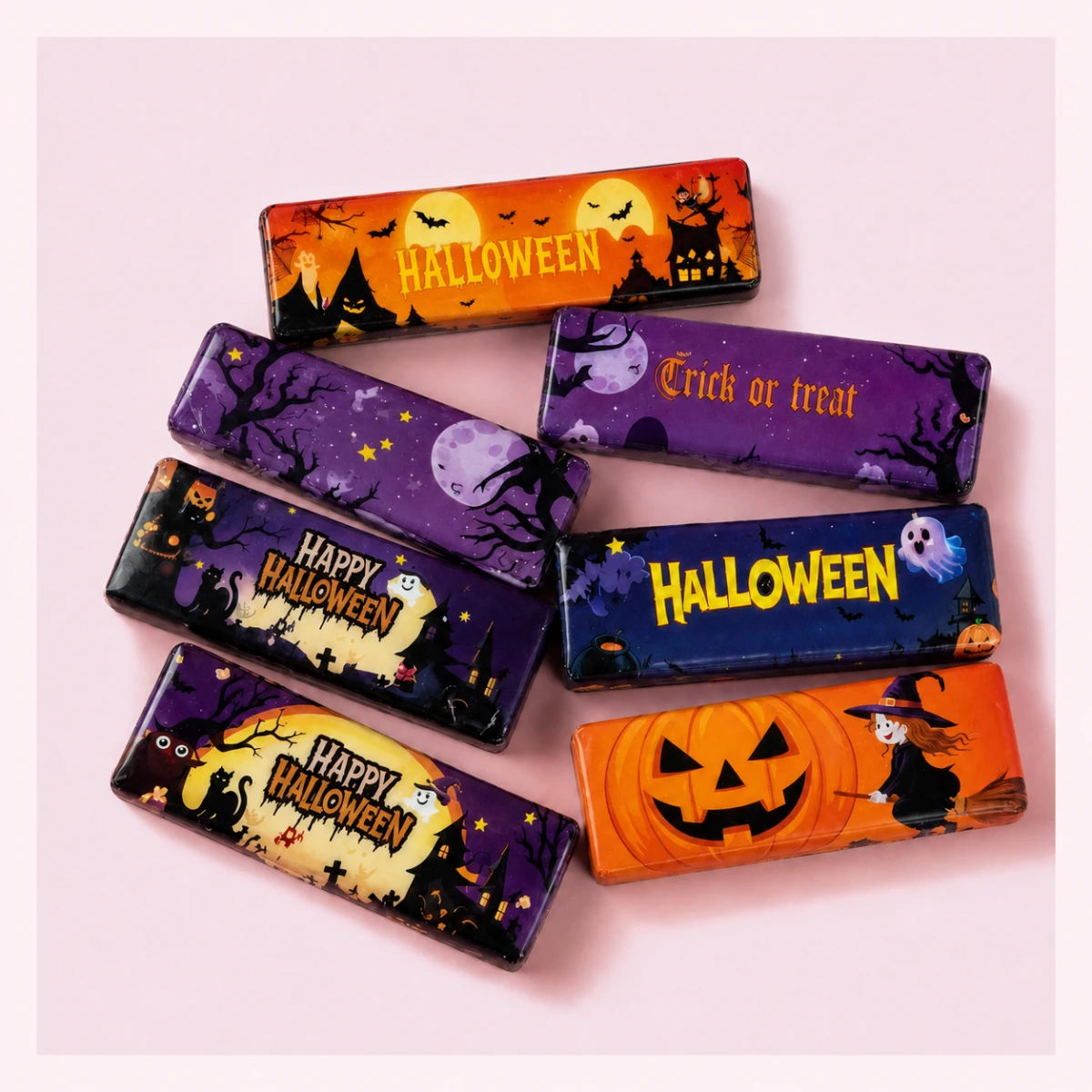
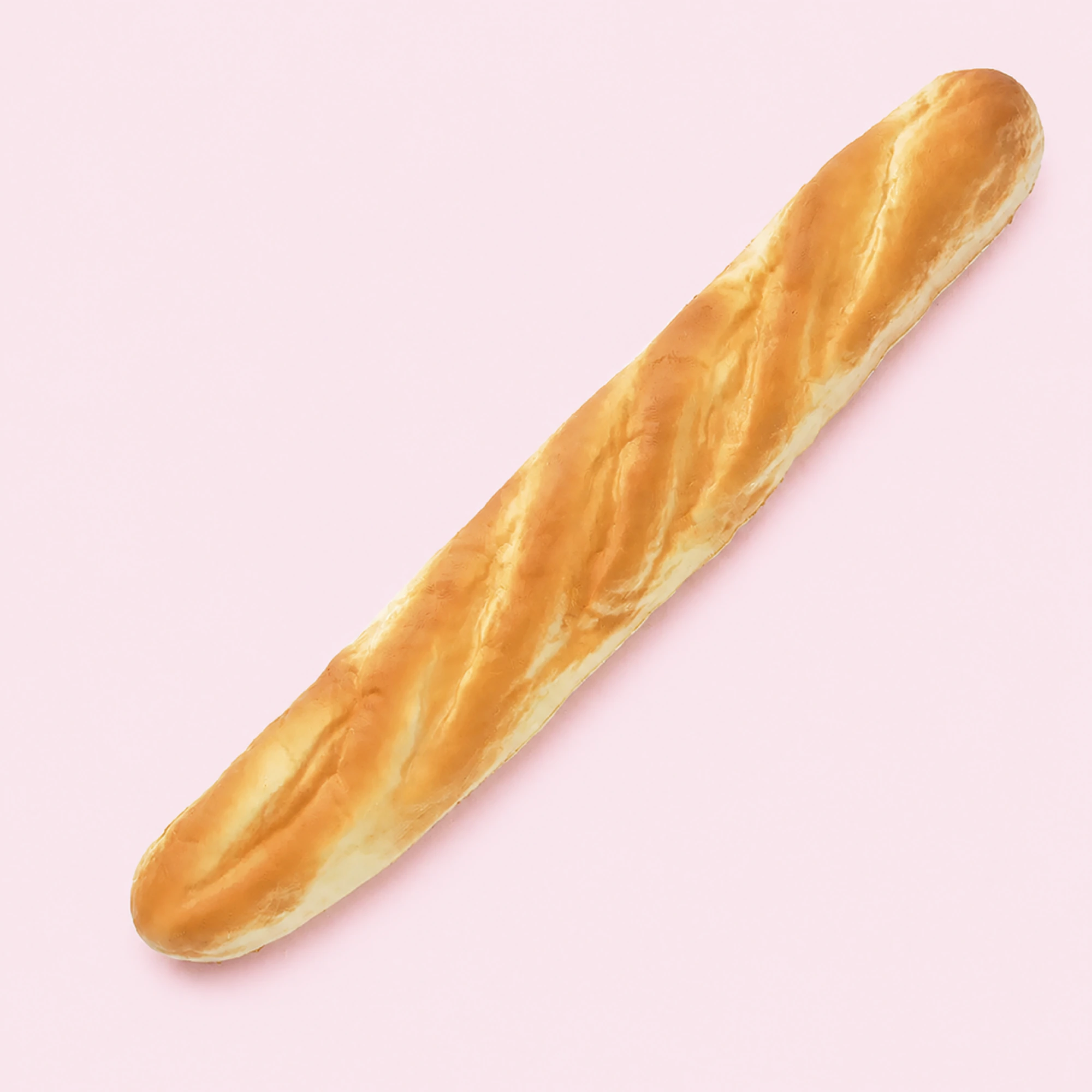
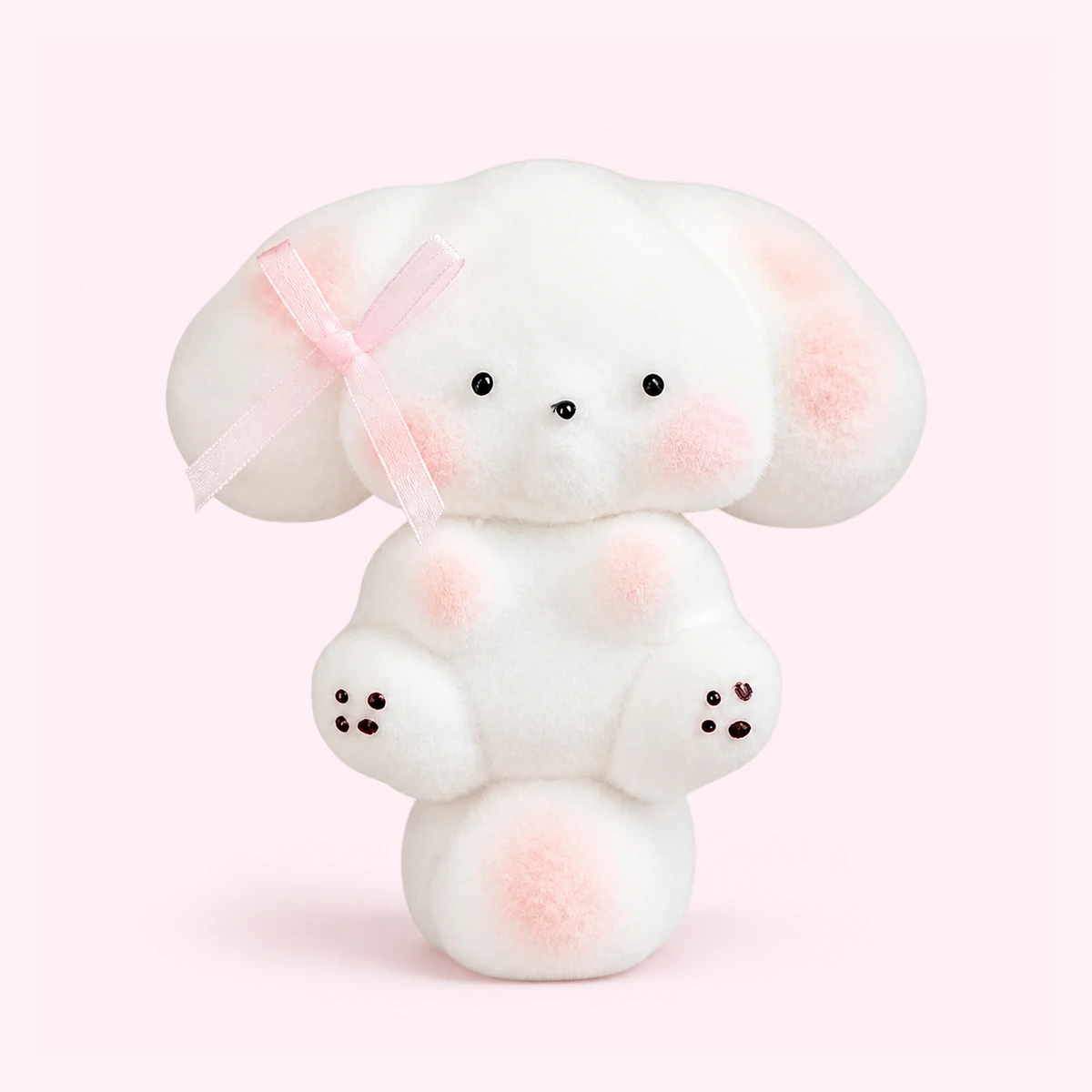
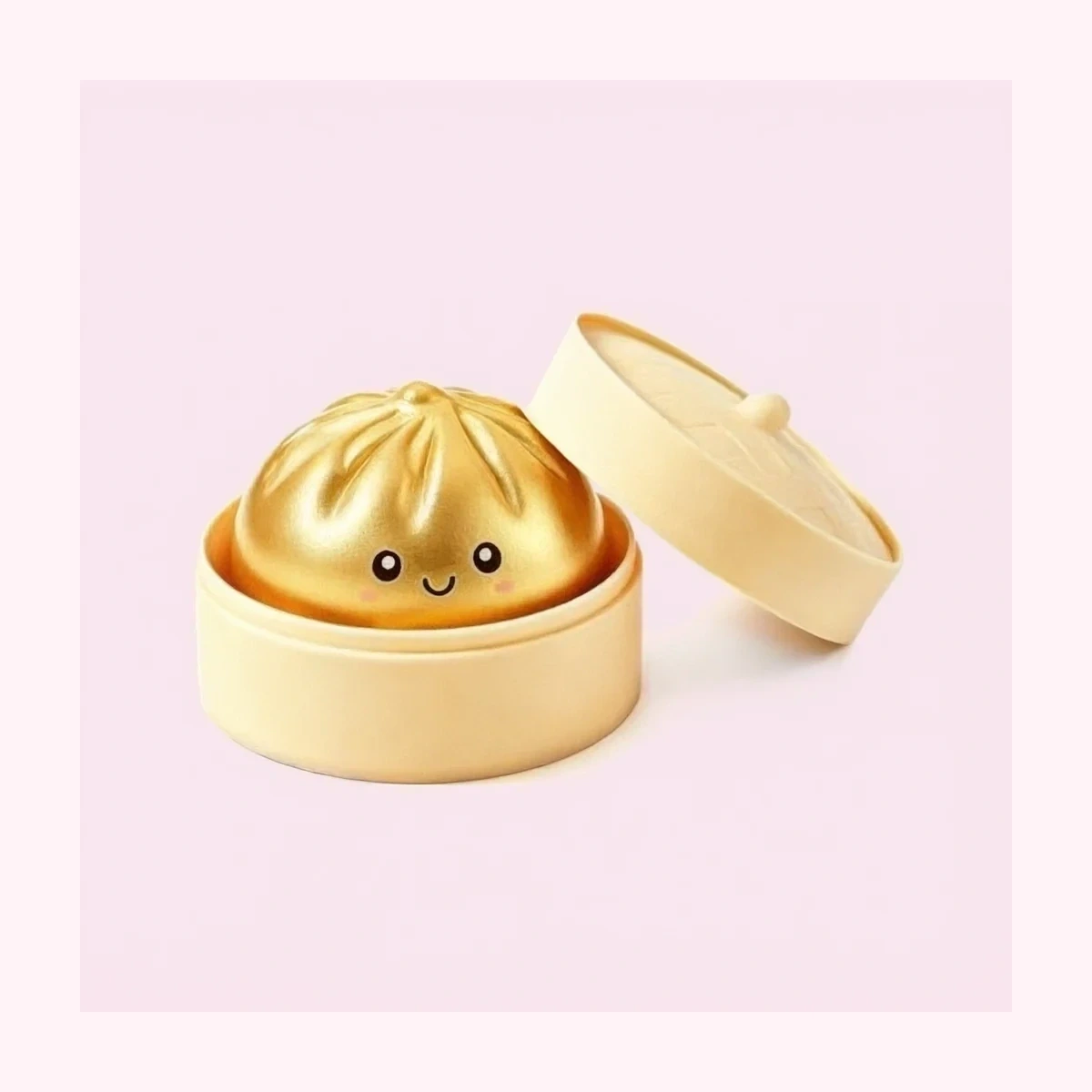
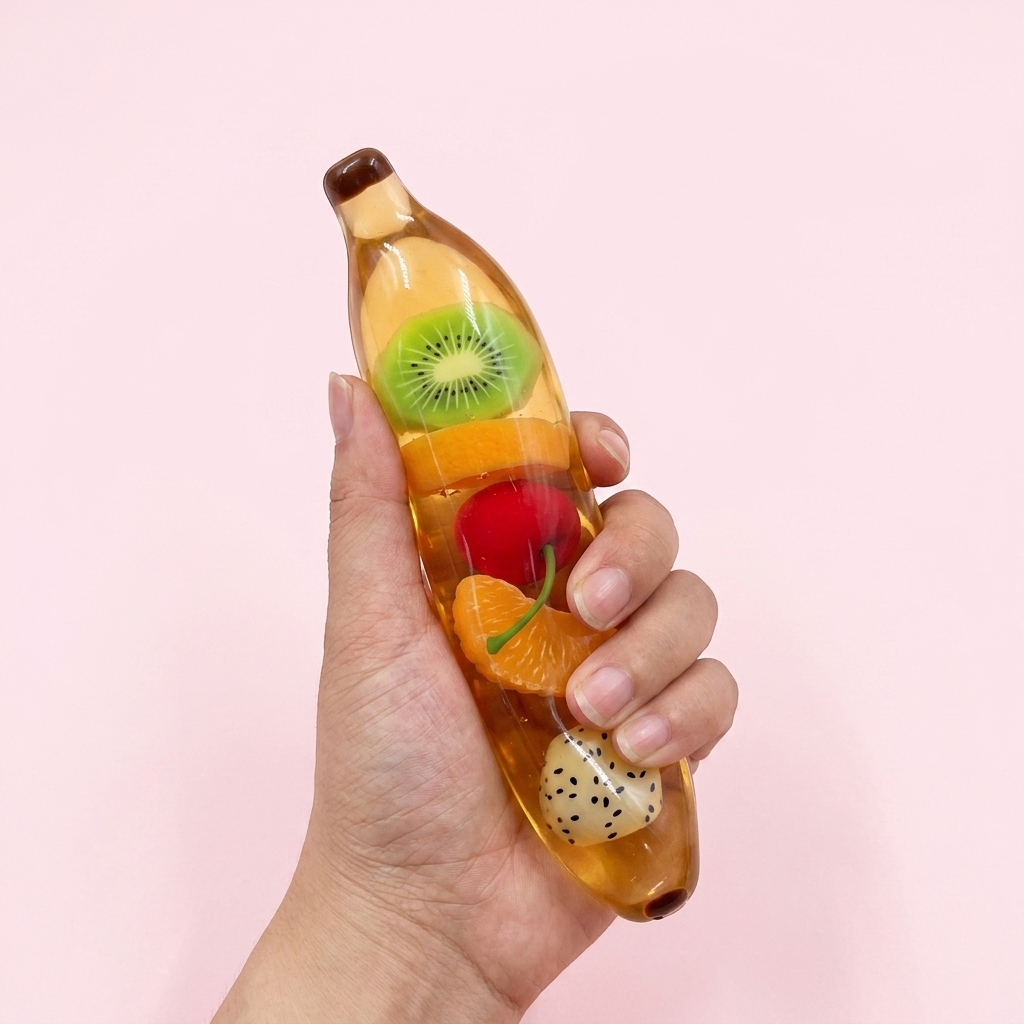
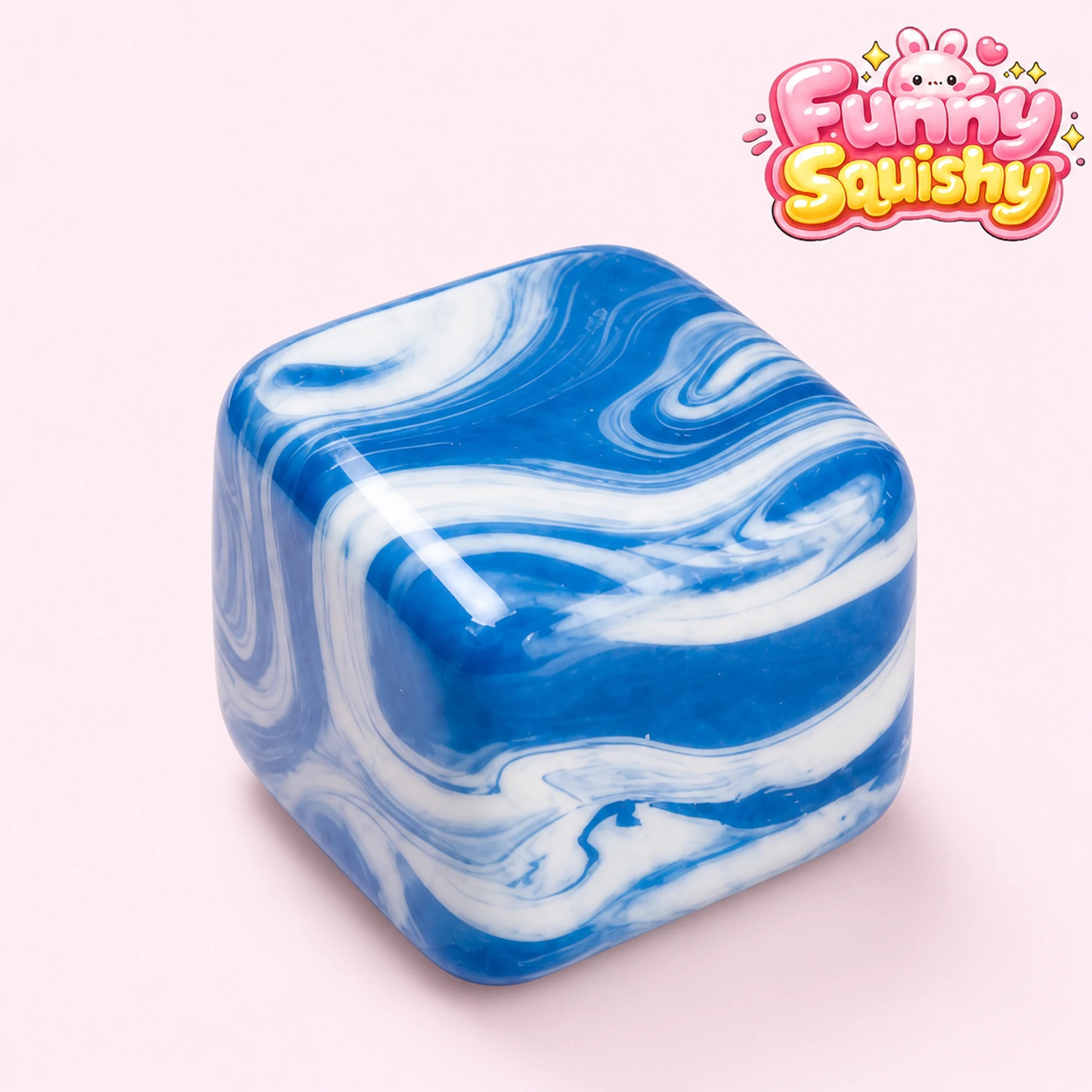
The core of the category is slow-rising foam in a recognizable shape — food, animals, cubes, the occasional object that has no business being adorable. Around that core sit close cousins: mochi minis with a cool jelly feel, and dense butter styles like the orange trick-or-treat butter squishy, where the rise is so slow it reads as a personality trait.
Just as useful is the exclusion list, by common toy-aisle usage:
- Slime — squishes but never holds a shape, so no rebound, so not a squishy
- Classic stress balls — instant snap-back, none of the slow-rise drama
- Pop-its — bubbles invert and click; nothing actually squashes
The test that settles arguments: squash it flat and let go. If it rises slowly back into shape, it’s a squishy. If it snaps, oozes, or clicks, it’s something else wearing the vibe.
If you’re mapping the territory properly, the squishy toy buyer’s guide walks the whole taxonomy, and the shop is where you can see the range the word covers now.
Why the Word Feels Like the Thing
Say “squishy” slowly and notice what your mouth does: the squ- start is a small squeeze, the -ishy ending goes soft and loose. English keeps a whole squad of these squ- words — squash, squelch, squirm — and language folks commonly file them under sound symbolism: words that carry their meaning in their sound.
That’s probably why the toy never needed an invented brand-style name. The adjective had been rehearsing for the job for generations; the foam just showed up and matched the description exactly.
Kids demonstrate this better than any textbook: hand one a squishy and the word arrives with the squeeze, unprompted. The sound and the sensation are a matched set — the kind of naming no marketing meeting has ever produced on purpose.
FAQ
Is “squishy” a real dictionary word? Yes — standard dictionaries list the adjective, generally defined as soft, yielding, and easily squashed. The toy-noun sense is newer and informal, but it’s universal anywhere squishies are sold.
What’s the difference between squishy and squashy? They overlap heavily, and both trace back to the same squash-family sounds. In practice “squishy” won the toy aisle, so it now carries the product meaning while “squashy” stayed a plain adjective.
What does squishy mean in gaming? A fragile character — one who deals damage or provides utility but folds fast when attacked. It’s shorthand for “protect this one.”
Why are the toys called squishies? Because the adjective described the texture so precisely that it simply became the name. Slow-rising foam is maximum squish per squeeze, and no invented word was ever going to beat the real one.
One small word, four jobs, and an entire aisle named after a feeling in your hand — not bad for an adjective.