


Type “squishy” into a search bar and autocomplete will eventually hand you the word “recall.” If you’re trying to verify a squishy dumpling recall — or any toy recall — the answer lives in one place: official databases like CPSC.gov in the US, not reposted videos. Search chatter and real recall notices are very different things, and this guide covers how to tell them apart.
Check Official Sources First
A recall is a formal, documented event with a case number, not a vibe. When a rumor reaches you, verify it in this order:
- CPSC.gov recall search — the US Consumer Product Safety Commission lists every official toy recall, searchable by product name and date. If it’s not there, no US recall has been issued.
- The retailer’s recall page — major chains post recall notices for products they sold, usually with lot numbers and refund instructions.
- The brand’s own site and social accounts — companies conducting a recall are legally motivated to be loud about it.
Total time: about a minute. That minute beats an hour of scrolling stitched-together videos with dramatic music.
What’s Behind the Squishy Dumpling Recall Searches
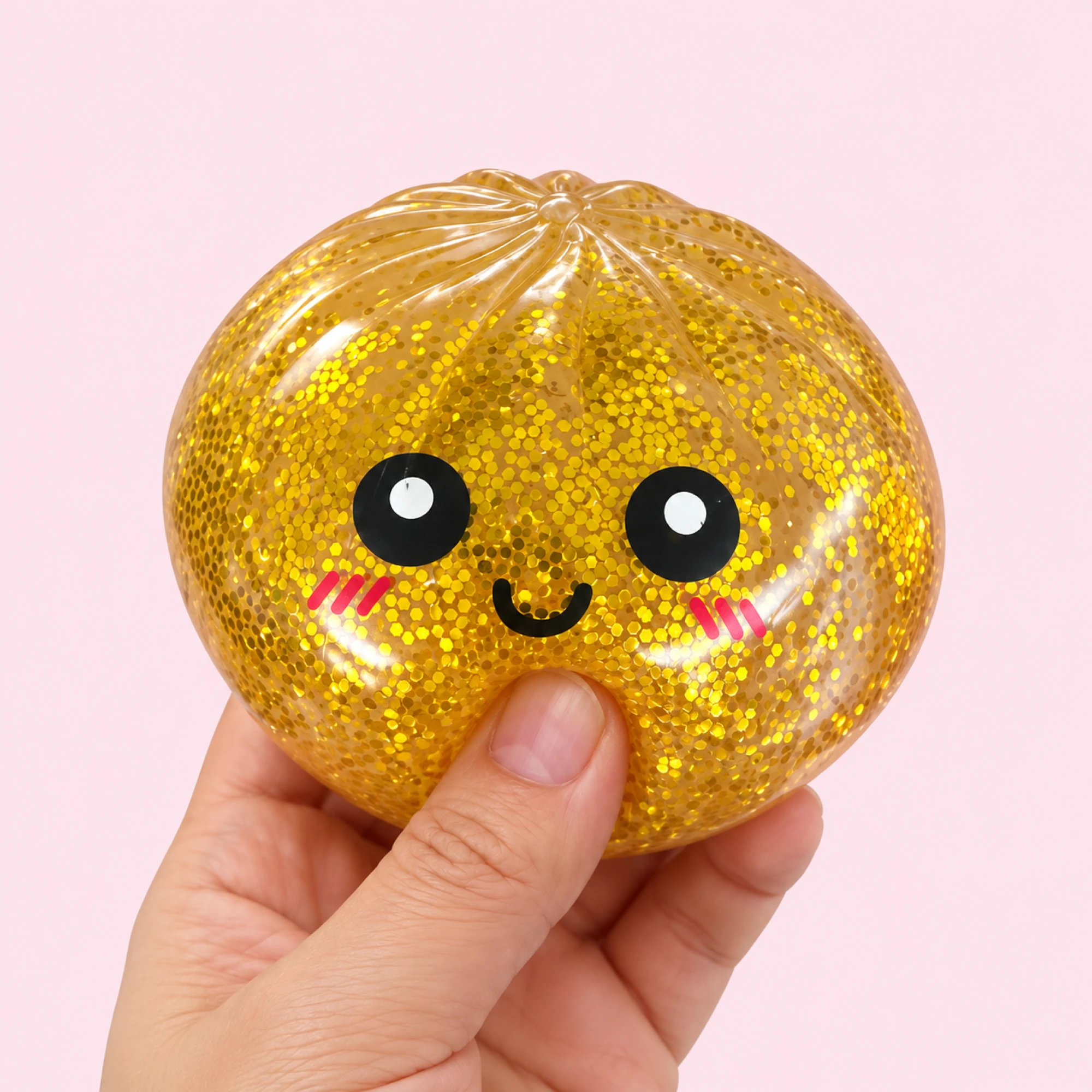
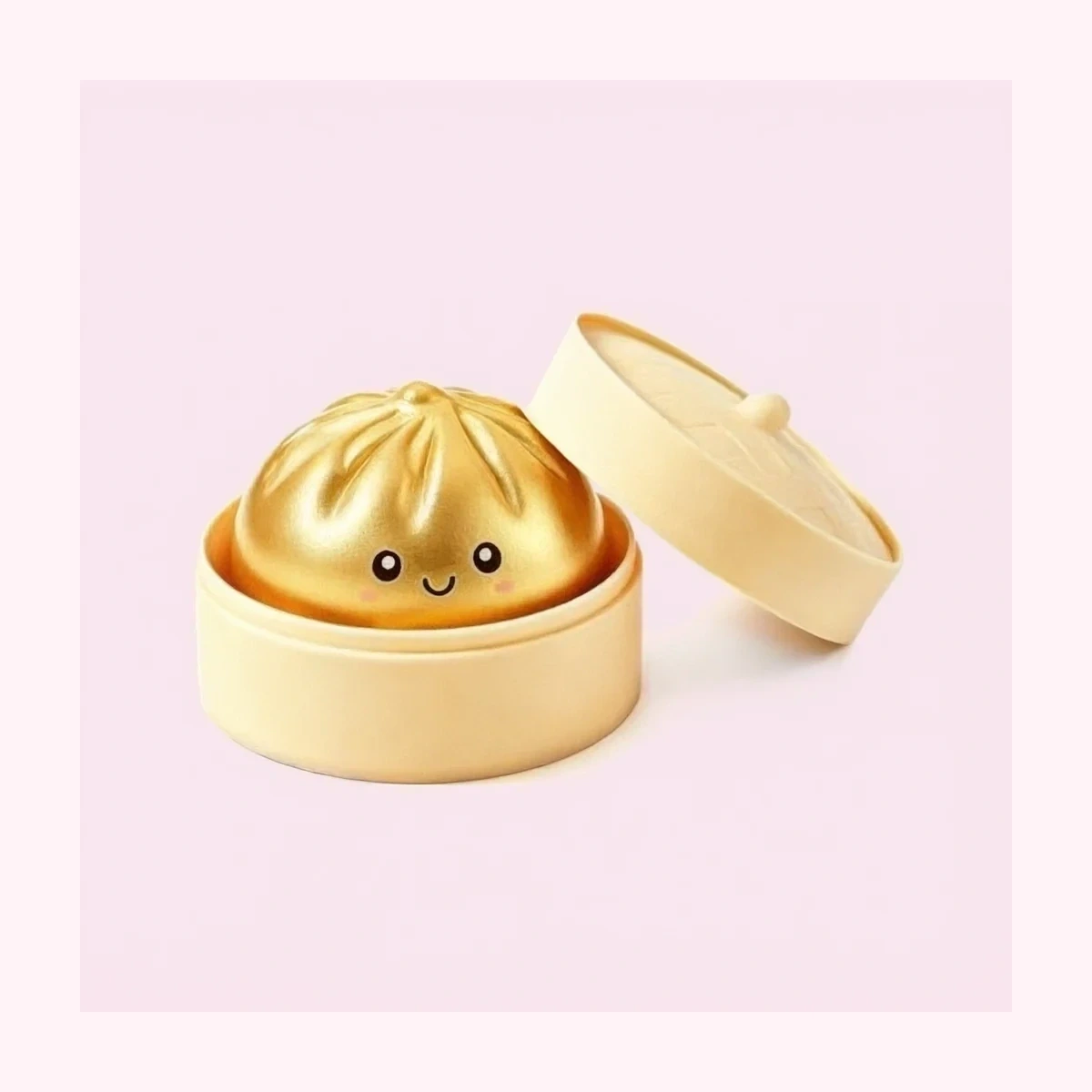
Search spikes like this usually trace back to one of three things, none of which requires an actual recall. First, name confusion: “squishy dumpling” describes dozens of similar-looking products from different makers, so a complaint about one gets mentally attached to all of them. Second, the repost cycle: a single video claiming a toy is “getting recalled” can circulate for years after the original context is gone. Third, sold-out panic: when a popular line vanishes from shelves for ordinary inventory reasons, someone always concludes it was pulled.
None of this means safety concerns are silly — it means the burden of proof sits with the database, not the algorithm. Check the official source, then decide. If it’s listed, follow the notice’s instructions. If it isn’t, you’re most likely looking at recycled internet weather.
The Two Safety Issues That Actually Come Up
The squishy category’s real history has two recurring themes, and knowing them makes you a sharper shopper than any rumor can.
Strong-smelling foam. The best-known case: Danish regulators tested scented foam squishies back in 2018 and pulled many from sale over the volatile chemicals behind that heavy new-toy smell. The lesson survived the headlines — an intense chemical odor that doesn’t fade signals rushed, poorly cured foam. Quality PU foam and TPR carry at most a faint scent that airs out in a day or two. Our TPR vs PU foam safety guide covers the materials side properly.
Small parts and small kids. Squishies are rated ages 3 and up, full stop. Foam that tears can become bite-sized pieces, which is why the rating exists and why chewed-on squishies should be retired. For babies and toddlers, skip the category entirely and go with infant-rated sensory toys built to be mouthed. Parents can go deeper with our kids’ safety guide, which covers what happens when one breaks.
A 60-Second Pre-Purchase Safety Check
Run this before any squishy joins the household:
- Material named — PU foam or TPR stated plainly, on the listing or the tag.
- Smell test — faint is normal, room-filling is a return.
- Age match — 3+ rating respected, no exceptions for “careful” toddlers.
- Seams and paint — no flaking finish or splitting seams out of the package.
- Seller accountability — a real return policy and a way to reach a human.
A counterfeit fails several of these at once; the fake-and-toxic spotting guide shows what failing looks like in the wild.
How We Handle Safety Here
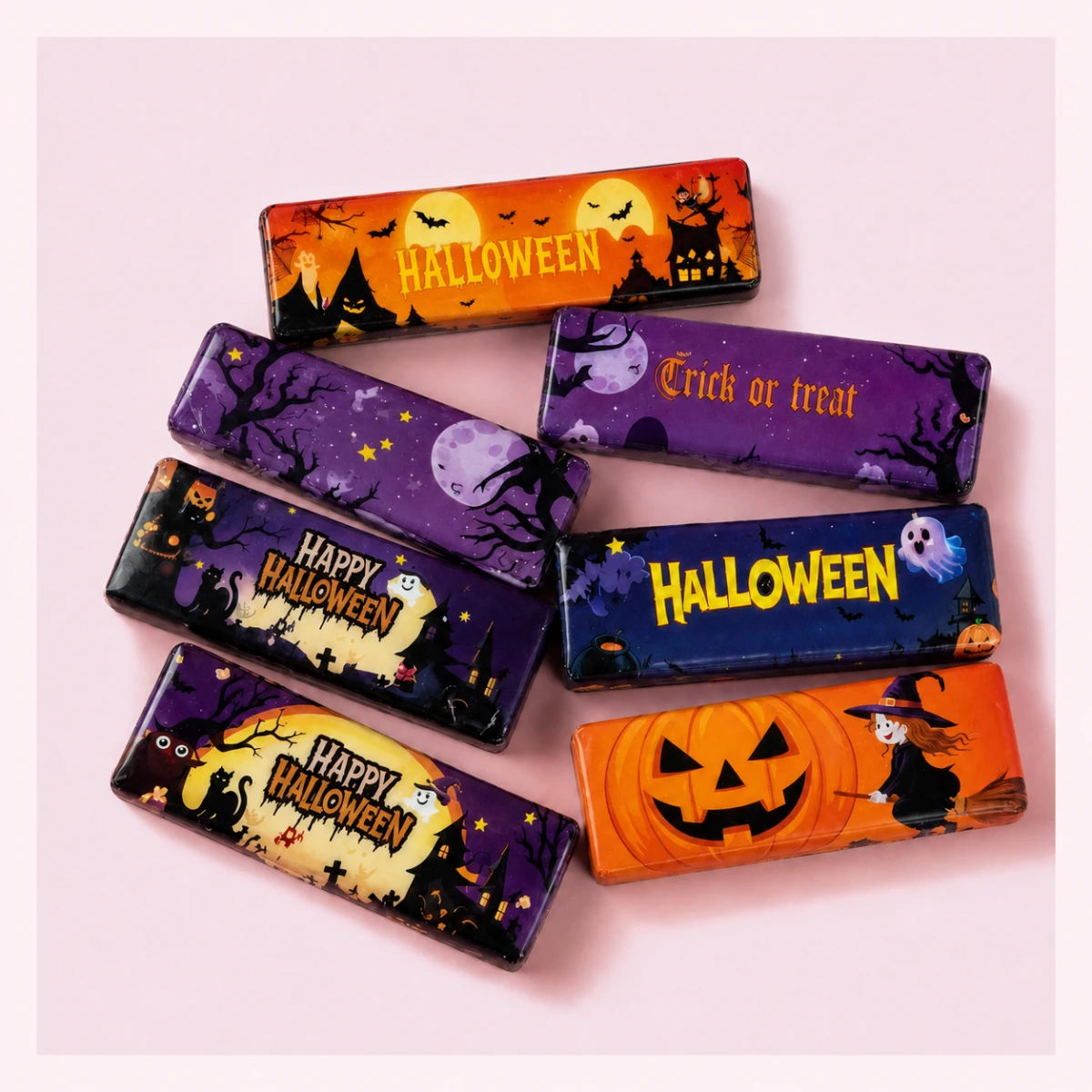
Curation is the whole job at a specialist store, and safety is the unskippable part of it. Everything in our squishy collection has a named material, an ages 3+ rating, and the reminder that food-shaped pieces — convincing as they look — are never edible. A line like the Halloween Butter Squishy Assorted Set gets the same smell-and-seam scrutiny as a single piece, because bulk is where corner-cutting hides.
If a toy disappoints or worries you anyway, the 30-Day Squishfaction Guarantee exists precisely for that conversation, and the FAQ page covers materials, care, and returns in one place. Orders of $49 or more ship free worldwide, which mostly matters here because it removes the temptation to pad a cart with mystery-brand filler from elsewhere.
FAQ
Are squishies safe for kids overall? For kids 3 and older, quality squishies from sellers who name their materials have a solid record. The real-world risks concentrate in counterfeit and uncured products, which the smell test and a named material screen out.
Is there an official squishy dumpling recall right now? Check CPSC.gov for the current answer — recall status can change, and the database is always more current than any article, including this one. No listing there means no active US recall.
Why do some squishies smell so strong? Heavy solvent-like odor points to foam that was cured too fast or with cheap inputs. Mild scent that fades with airing is normal; a smell that persists for weeks is a quality failure worth returning.
What should I do if a squishy tears? Retire it if young kids are around, since torn foam sheds small pieces. For adult desk pieces, a clean tear is cosmetic — just keep the toy away from anyone who chews, including dogs.