Sensory Toys for Autism by Sensory Profile: Tactile & ASD Fidget Guide
Shopping for sensory toys for autism gets frustrating fast when every store list bundles noisy plastic spinners, sticky gel balls, and spiky massage rollers into one basket. An item that calms a child or adult who craves heavy hand pressure can immediately overwhelm someone who avoids sticky textures or sudden clicking sounds. Matching the tool to the person’s specific sensory profile is what turns a random novelty item into a reliable daily support.
This guide breaks hand-held tactile tools down by four common sensory profiles: deep-pressure seekers, surface-texture seekers, tactile avoiders, and sound-sensitive users. You will also find a clear comparison table, practical hygiene routines, and strict safety boundaries around oral-motor chewing.
Why Generic Autism Toy Lists Often Backfire in Real Routines
Sensory processing differences rarely look the same from one person to the next, or even from morning to evening for the same person. Some autistic children, teens, and adults actively seek stronger proprioceptive input in their palms and fingers to stay regulated during transitions. Others experience heightened tactile sensitivity where damp, tacky, or heavily perfumed surfaces feel unbearable on the skin.
When a classroom bin or home basket contains unvetted novelty toys, problems happen right away:
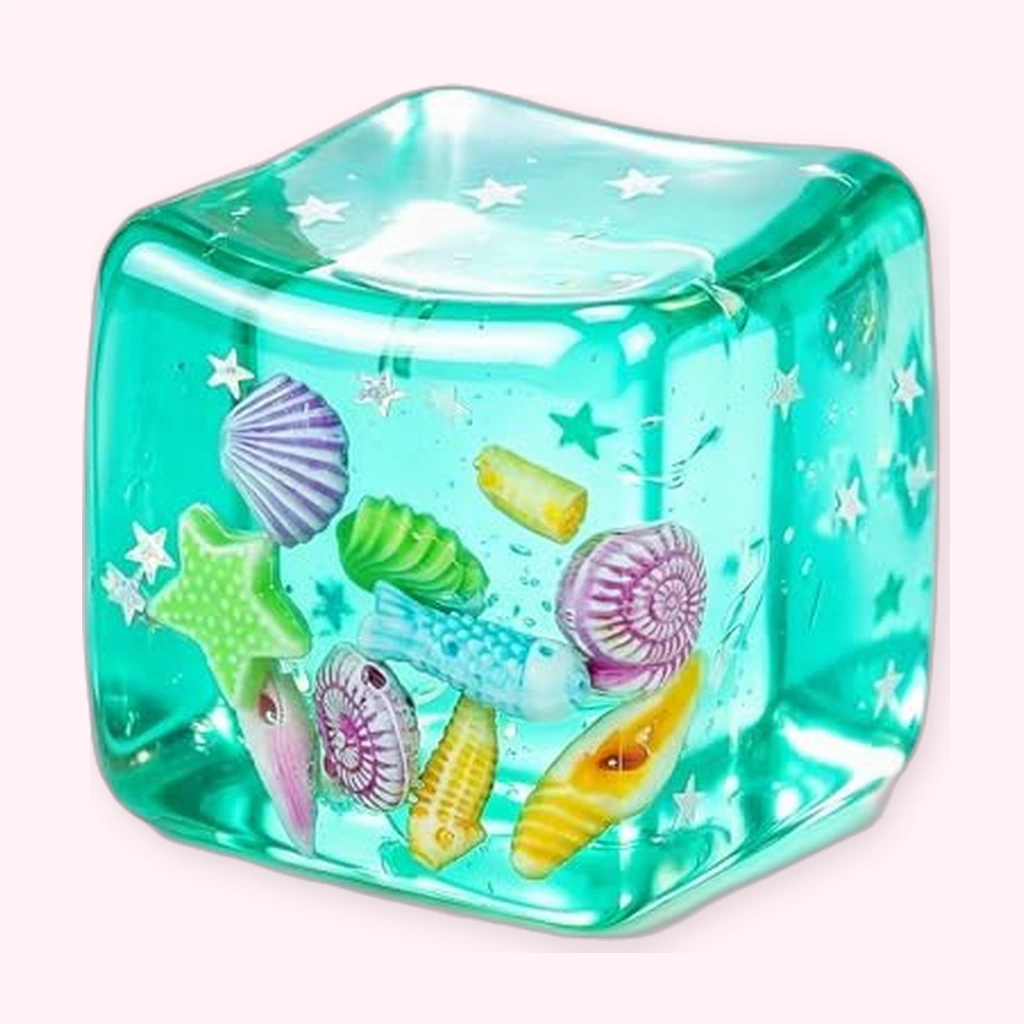
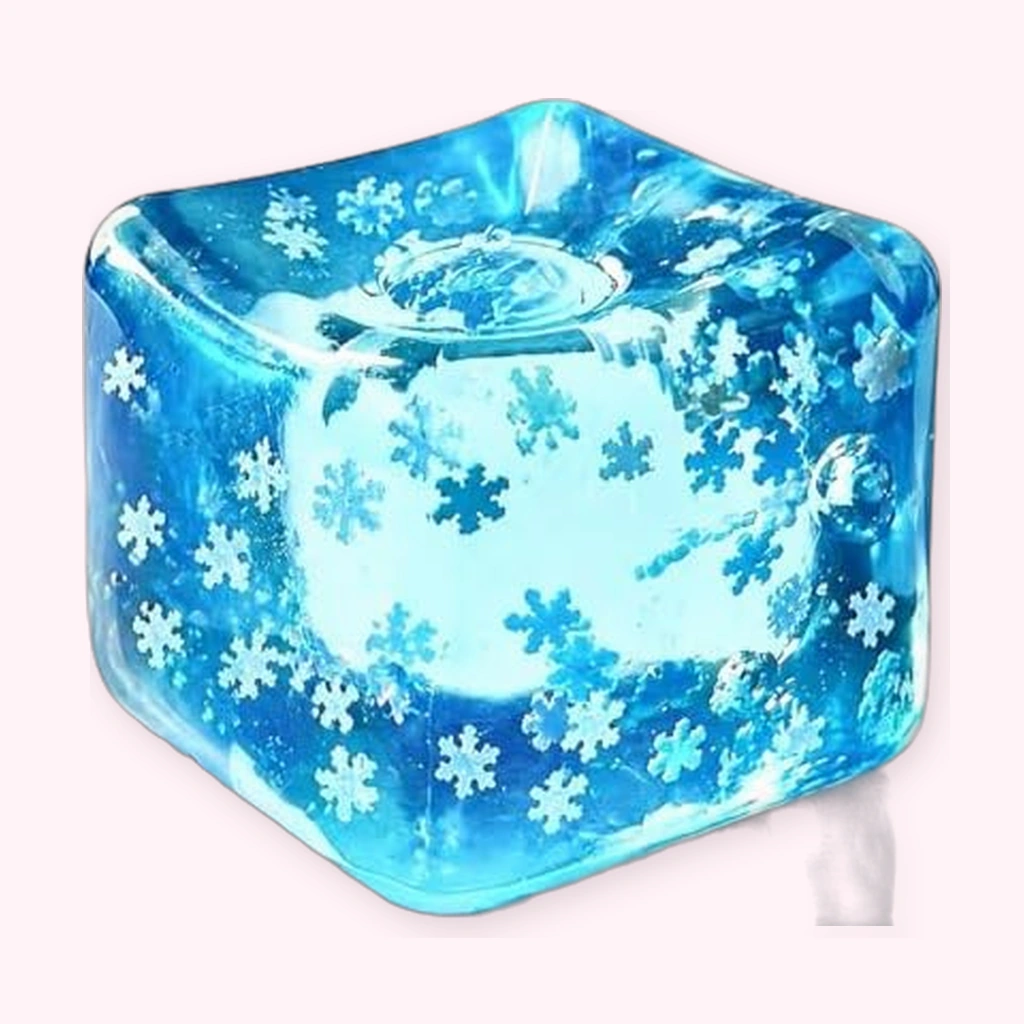
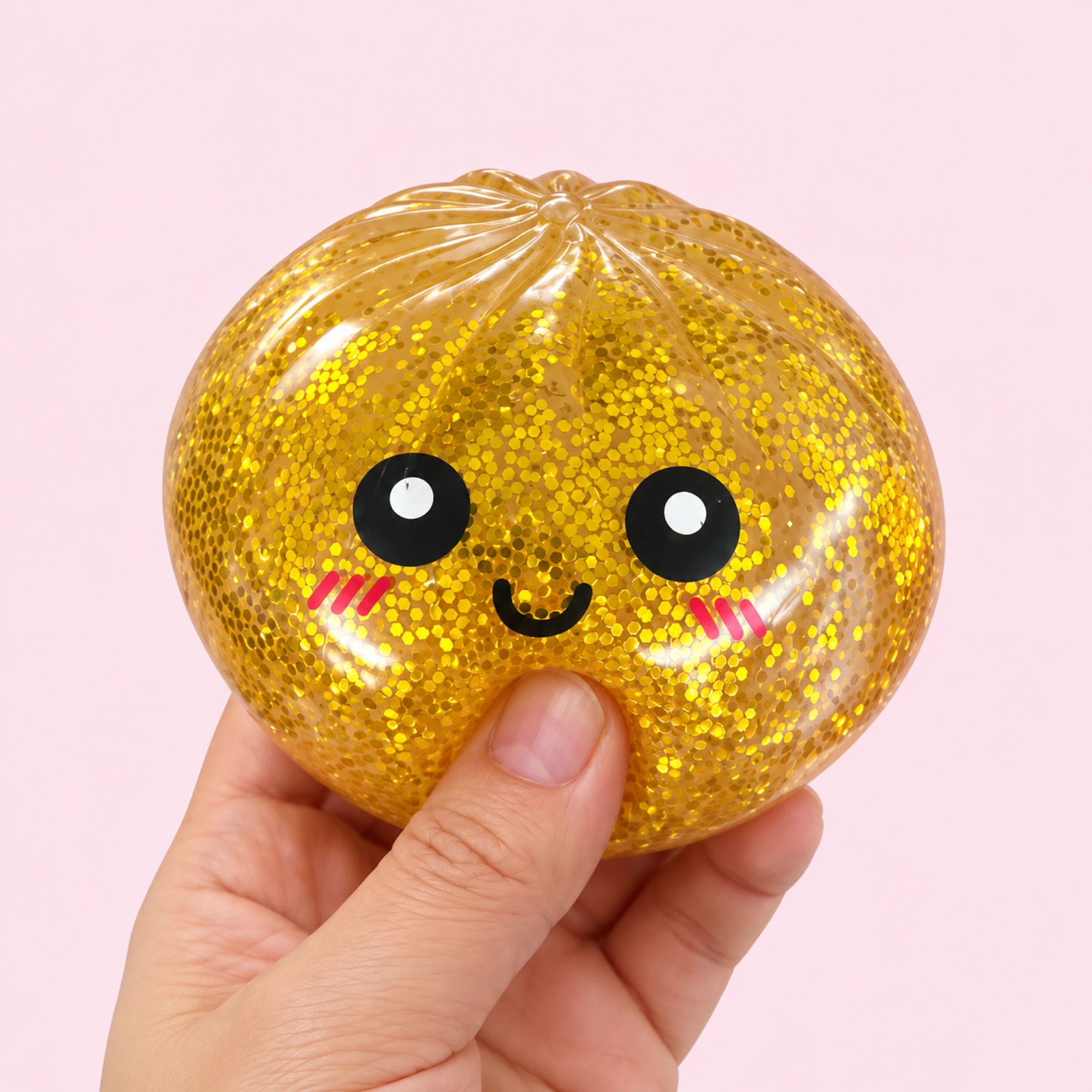
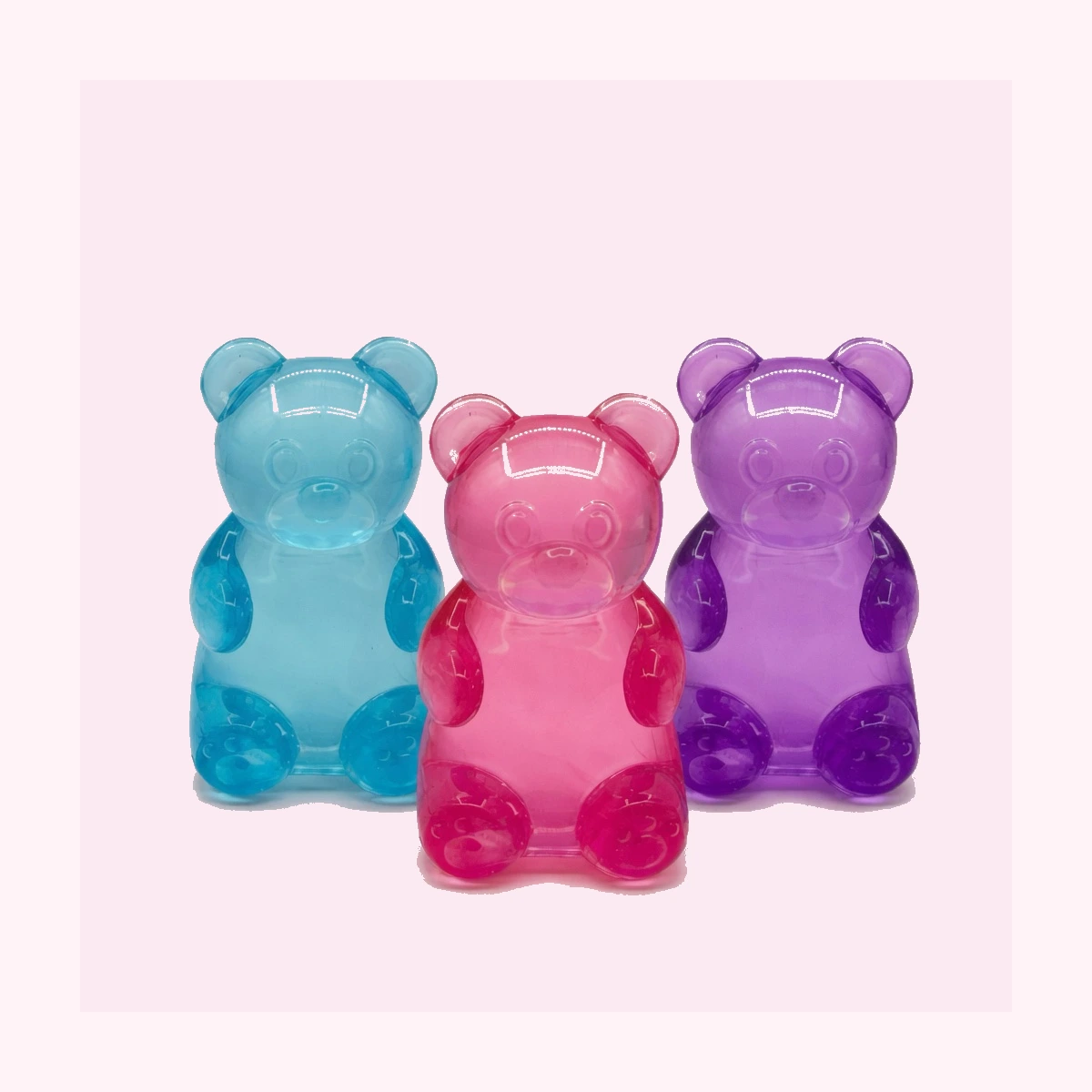
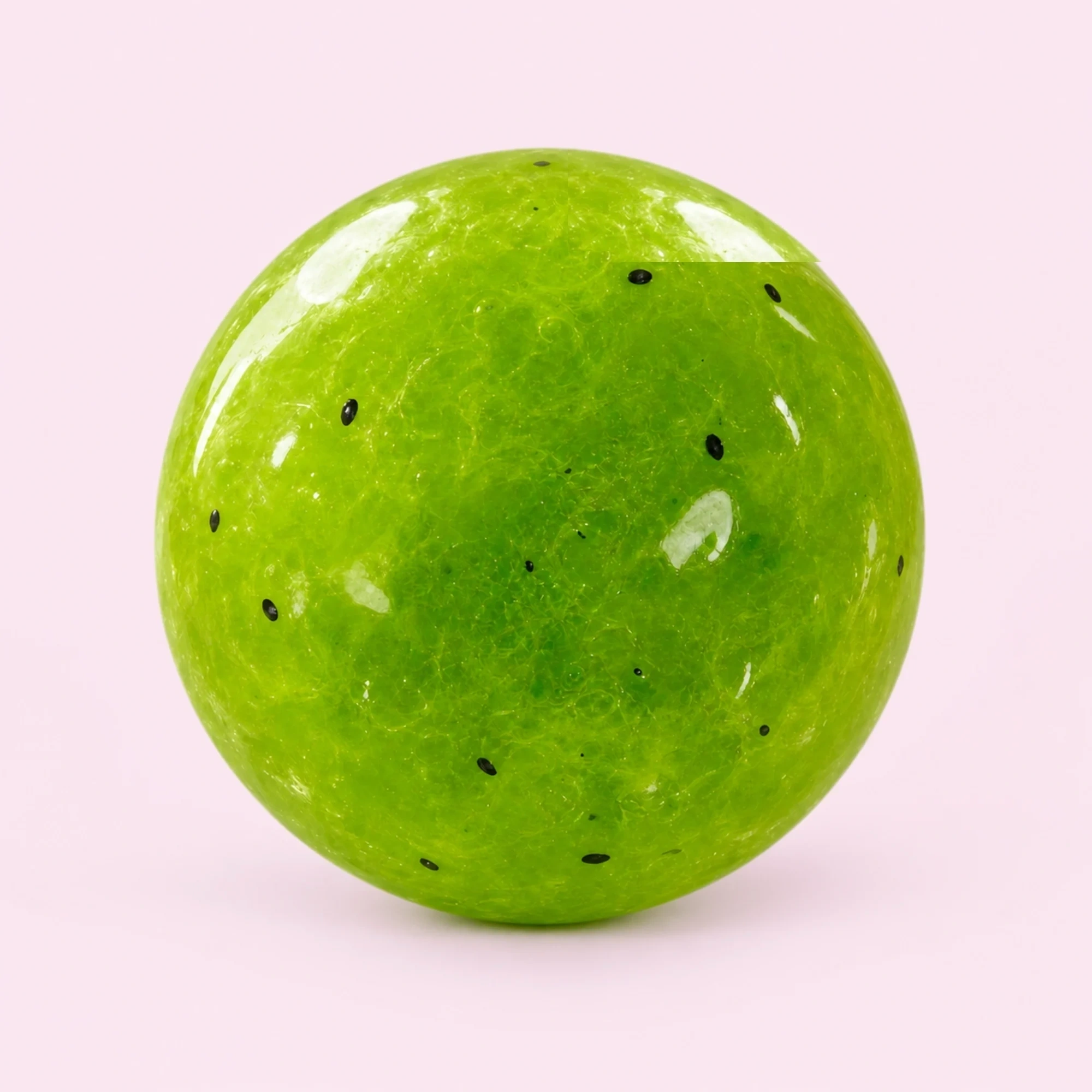
- Unexpected sensory triggers: Thin thermoplastic rubber (TPR) gel balls often develop a sticky outer film after a week of handling, catching lint and leaving a tacky residue on sensitive palms.
- Auditory disruption: Snap-and-click chains or popping tubes help finger restlessness for one person while triggering auditory stress for everyone else in a quiet study room or therapy space.
- Unpredictable rebound: High-tension rubber balls snap back against the fingers immediately, which can feel jarring when someone needs a slow, predictable visual and physical rhythm.
Four Sensory Profiles That Shape Hand-Fidget Selection
Before picking up any hand fidget, look at how the person naturally interacts with everyday objects like couch cushions, sweatshirt sleeves, or desk edges.
1. Proprioceptive and Deep-Pressure Seekers
People with this profile press their palms into table edges, squeeze pillows tightly, or clench their fists when concentrating. They benefit from dense, full-palm compression tools that absorb firm force without snapping back abruptly.
2. Surface-Texture Seekers
Texture seekers run their fingertips across corduroy, seams, or ridged grips. They enjoy distinct surface contours, raised edges, or firm nubs that give clear cutaneous feedback across the finger pads without requiring a full-strength grip.
3. Tactile Avoiders (Defensiveness to Sticky or Wet Surfaces)
Tactile avoiders pull away from slime, putty, damp clay, or dusty rubber skins. If they use a hand fidget, the outer skin must stay completely dry, smooth, and matte from the first squeeze to the hundredth.
4. Auditory and Visual Pacing Seekers
During overwhelming transitions or waiting periods, watching an object slowly return to its original shape provides a steady visual anchor. Silent operation is mandatory here so the tool never adds acoustic clutter.
Sensory Profile Comparison Table: Feel, Resistance, and Classroom Noise
Use this reference table to match hand-held sensory options to the right environment and sensory preference:
| Fidget Type | Best Sensory Profile Match | Surface Feel & Residue Risk | Rebound & Pacing | Noise Level |
|---|---|---|---|---|
| Matte Slow-Rising PU Foam Block | Deep-pressure seekers & tactile avoiders | Dry, smooth matte skin; zero sticky residue | Slow viscoelastic recovery for visual pacing | Completely silent |
| Firm Spiky Acupressure Ring/Ball | Surface-texture seekers | Hard PVC ridges; stays dry and washable | Zero compression; rolling finger contact | Silent unless dropped on hard desks |
| Thick Malt/Gel Squeeze Ball | High-resistance grip seekers | Tacky TPR skin; attracts dust if unwashed | Slow molding pull; holds indentations | Faint squelch or skin tack sound |
| Articulated Plastic Tangle/Clicker | Joint-motion & fine-motor seekers | Smooth hard ABS segments; completely dry | Instant pivoting links | Audible clicks and desk taps |
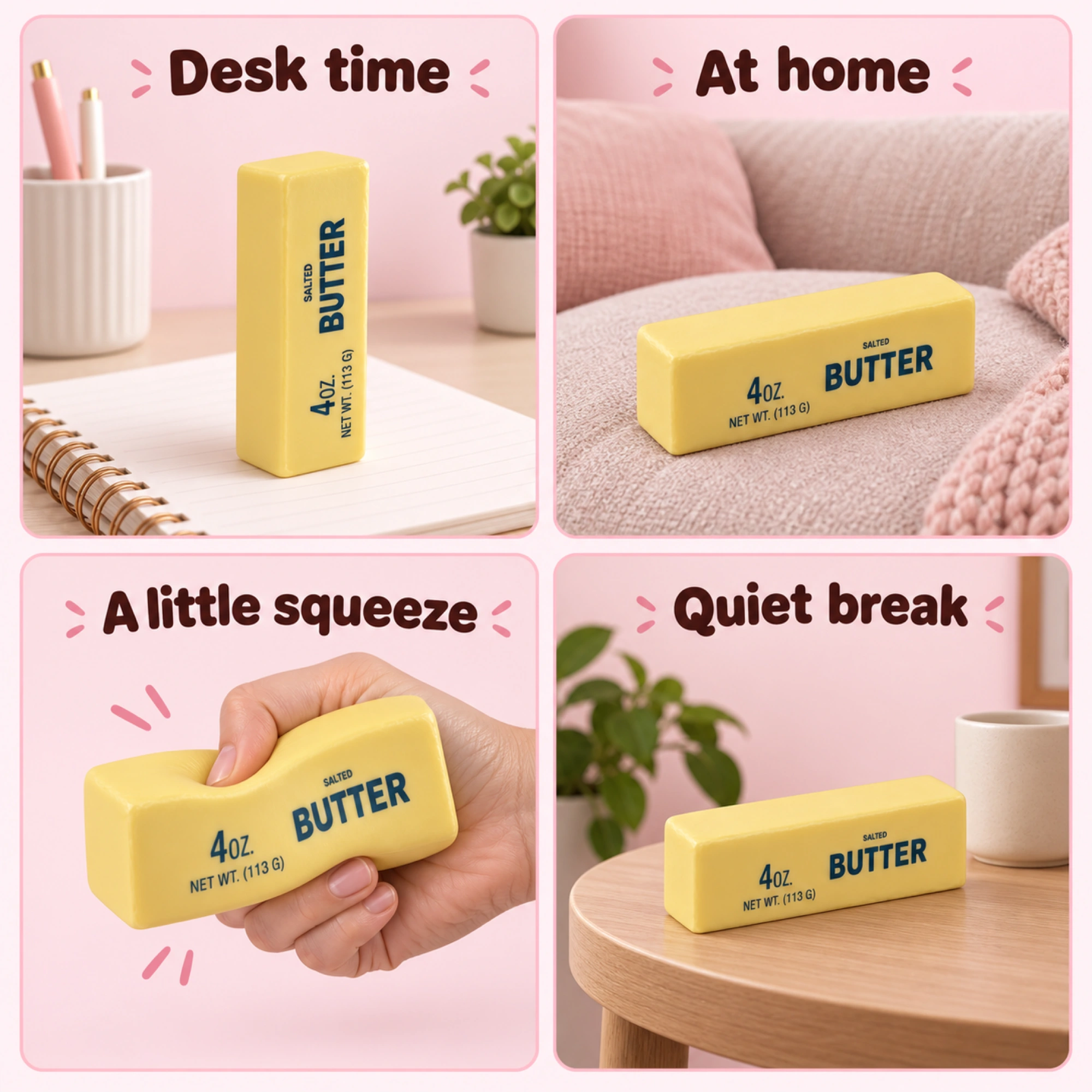
How Slow-Rising PU Foam Butter Blocks Support Predictable Hand Input
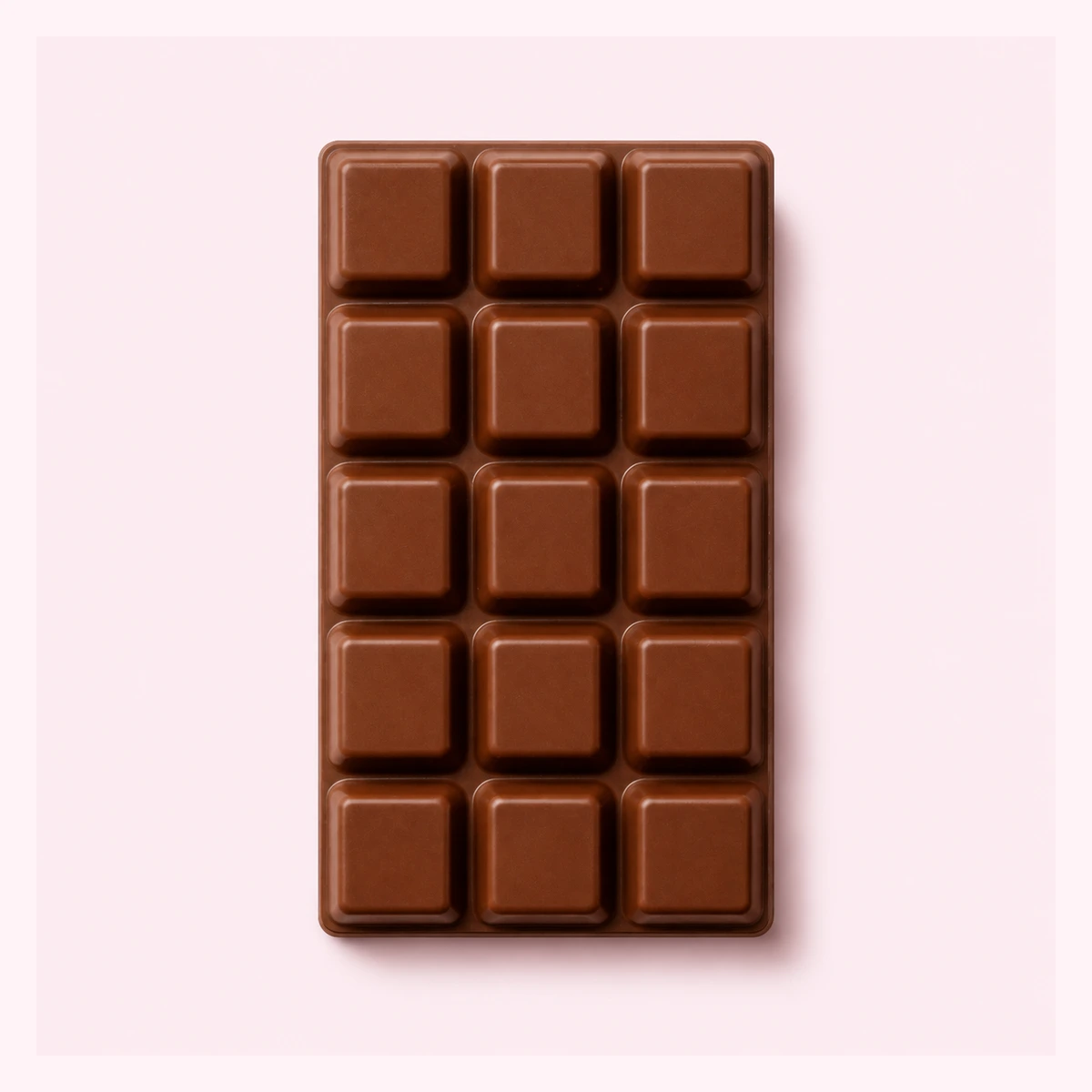
When a sensory profile calls for firm palmar squeezing paired with a dry, non-sticky surface, rectangular polyurethane (PU) foam blocks offer a clean middle ground between hard plastic fidgets and messy gel balls.
The FunnySquishy catalog lists FS-BUTTER-005 as the PU Foam Butter Squishy, featuring palm-sized proportions, dense foam construction, and a gentle buttery drag priced at $12.99 USD.
Key physical traits that matter for sensory-profile matching include:
- Predictable slow-rising recovery cycle: After a full-palm compress, the open-cell PU foam rises back slowly to its rectangular block shape with a gentle buttery drag. Many educators and caregivers use that slow visual rebound as a quiet breathing timer during calm-down routines.
- Dry matte skin for tactile avoiders: Unlike oil-plasticized TPR balls, cured PU foam has a dry, velvety outer skin that does not sweat oil or leave sticky residue on hands or keyboards.
- Flat-bottom desk stability: Because it is shaped like a rectangular butter block rather than a sphere, it sits flat on a desk or tray without rolling onto the floor mid-lesson.
- Strict non-chew safety boundary: PU foam squishies are hand-compression fidgets and must never be bitten, chewed, or placed in the mouth, as foam can tear and create a choking hazard. If an autistic child or adult is an oral-motor seeker who chews or mouths objects, never give them PU foam squishies or liquid-filled balls; always use dedicated, medical-grade solid silicone chewelry instead.
For families and therapists who keep one tool in a backpack and another at a homework desk, the 2-Pack Butter Squishy Slow Rising Fidget Set provides an identical spare so routines stay consistent if one block is misplaced. Classrooms and occupational support rooms that separate tools by student station can also stock the 3-Pack Butter Squishy Fidget Toy Set or add visual color coding with the Blue Butter Brick Squishy 2-Pack Stress Relief Block.
Practical Hygiene, Rotation, and Sensory Corner Setup Tips
Even the best-matched sensory tool loses its appeal if it gets dusty or overused. A few simple habits keep tactile tools safe and predictable:
- Keep fingernails trimmed during heavy squeezes: Open-cell PU foam handles flat-palm compression well, but sharp fingernails digging into the corners can puncture the outer matte skin over time.
- Wipe clean without soaking: Clean PU foam blocks with a slightly damp microfiber cloth and a drop of mild hand soap, then pat dry immediately. Never submerge open-cell foam under running water, as trapped moisture inside the air cells alters the slow-rise rebound.
- Inspect before every session: Check seams and corners weekly. Retire any foam or gel toy the moment you spot surface tears, especially around younger users.
- Group by sensory need, not by color: In a classroom or home calm corner, label one small tray for “Dry & Quiet Squeeze” and another for “Textured Finger Rollers” so the user can self-select the input their nervous system needs that day.