

A "sensory diet" is a tailored occupational therapy activity plan designed to help neurodivergent children and adults maintain optimal nervous system arousal. For individuals with Sensory Processing Disorder (SPD) or autism, incorporating a sensory diet squishy provides regulating tactile and proprioceptive input throughout transitions.
Sensory Seeking vs. Sensory Defensive Profiles

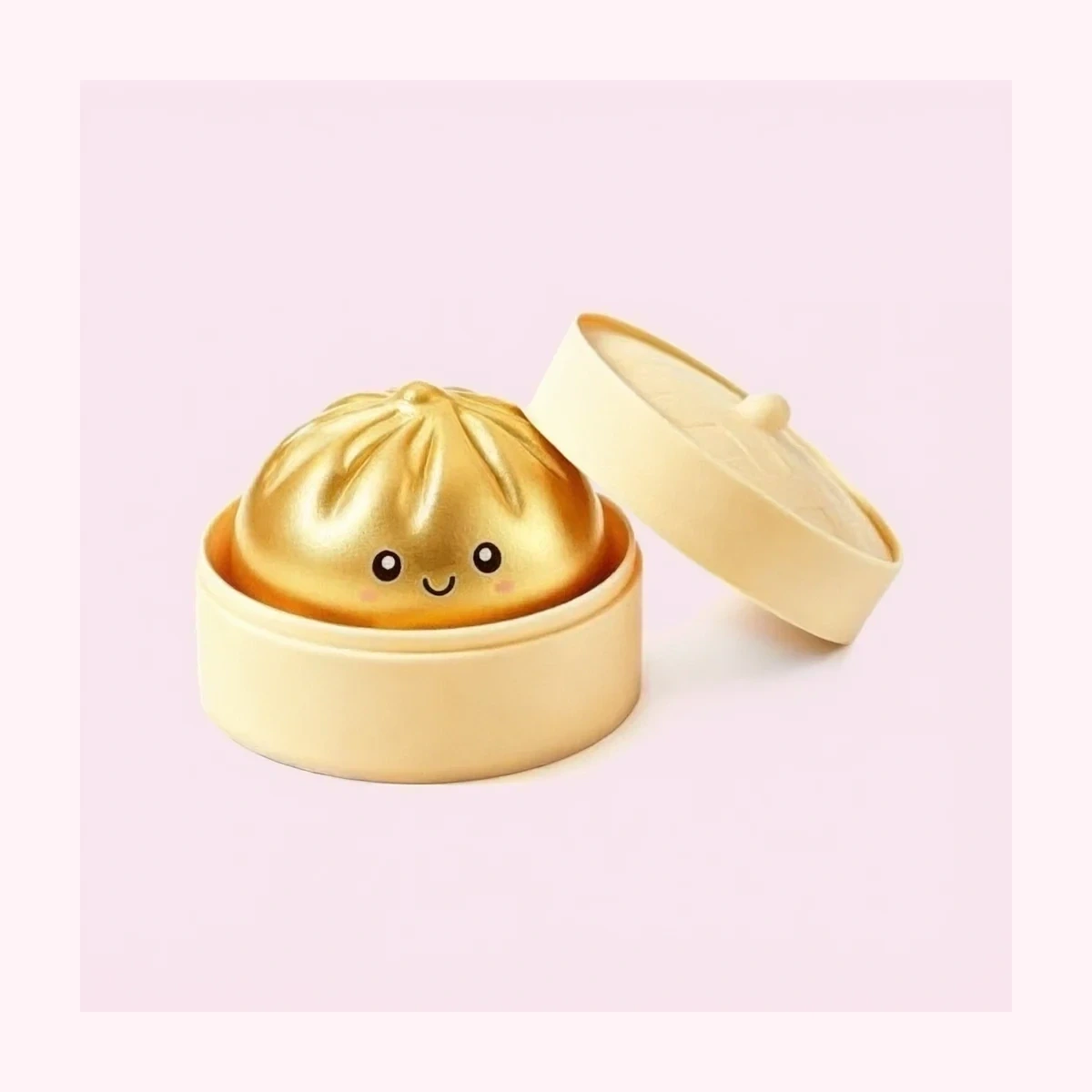
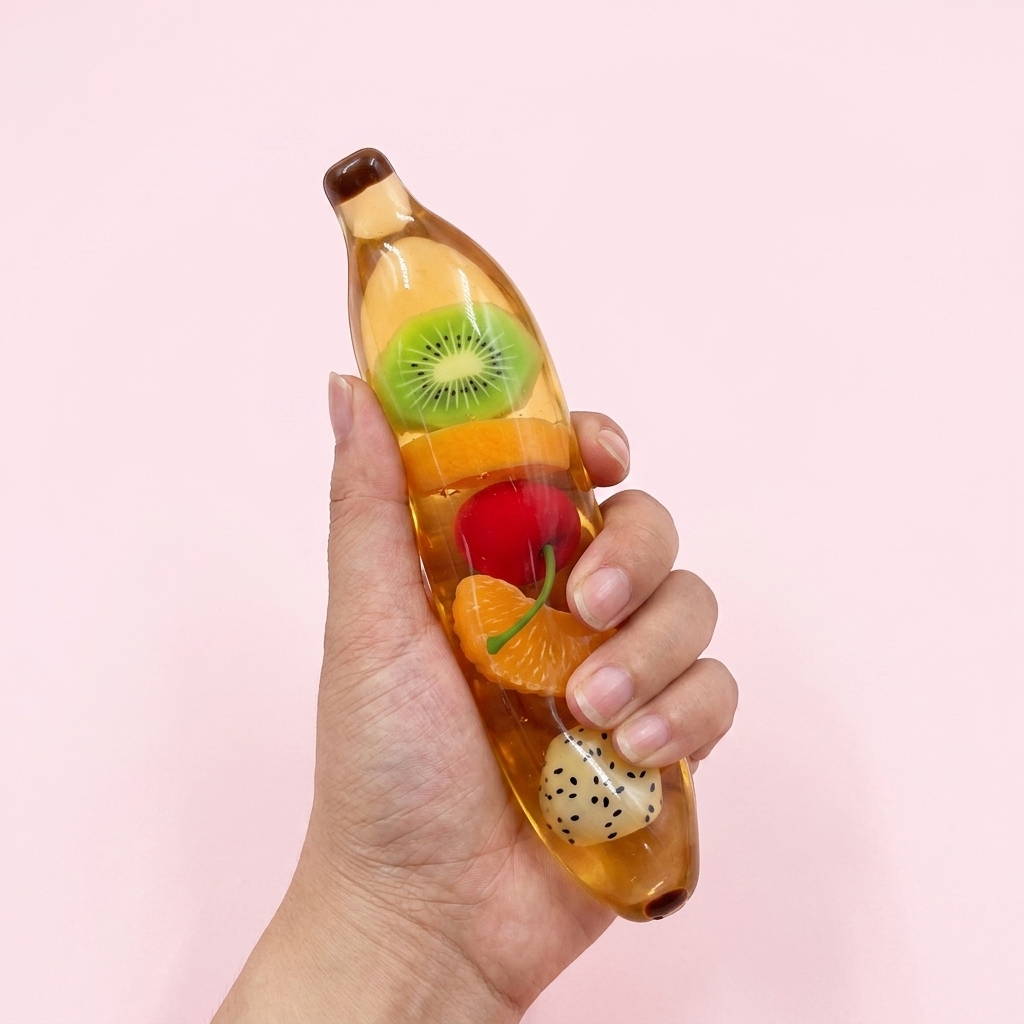
Fluid-filled mochi buns provide rich tactile variety for sensory-seeking individuals.
- Tactile Seekers (Hyposensitive): Require high-resistance, fluid-filled, or textured squishies to satisfy deep-pressure cravings.
- Tactile Avoiders (Hypersensitive): Benefit from silky, slow-rising dry foam toys that offer predictable, non-sticky feedback.
Structuring a School-Day Sensory Diet Routine
| Time Block | Sensory Challenge | Squishy Protocol |
|---|---|---|
| Morning Transition (8:30 AM) | Classroom sensory overload | 5 minutes of rhythmically kneading fluid daifuku mochi |
| Desk Study (11:00 AM) | Motor restlessness / fidgeting | Silent isometric palm compressions under the desk |
| Afternoon Wind-Down (3:30 PM) | Emotional fatigue | Slow breathing accompanied by 10-second slow-rising squishy resets |
Build Your Customized Sensory Toolkit
Support calm and focused self-regulation with the Daifuku Mochi Squishy — Strawberry & Oreo Fluid Sticky-Bun Stress Toys.