



Choosing sensory toys for the classroom is a different exercise from choosing one for yourself, because a classroom applies four pressures no desk does: everything is shared, everything gets lost, everything gets heard by thirty people at once, and everything has to survive being used by hands that are not being careful. Most of what works brilliantly at a desk fails on at least one of those.
The Four Classroom Pressures
Noise reaches everyone. A sound that is fine at your own desk is an interruption for a whole room. This is the constraint that decides most of the list.
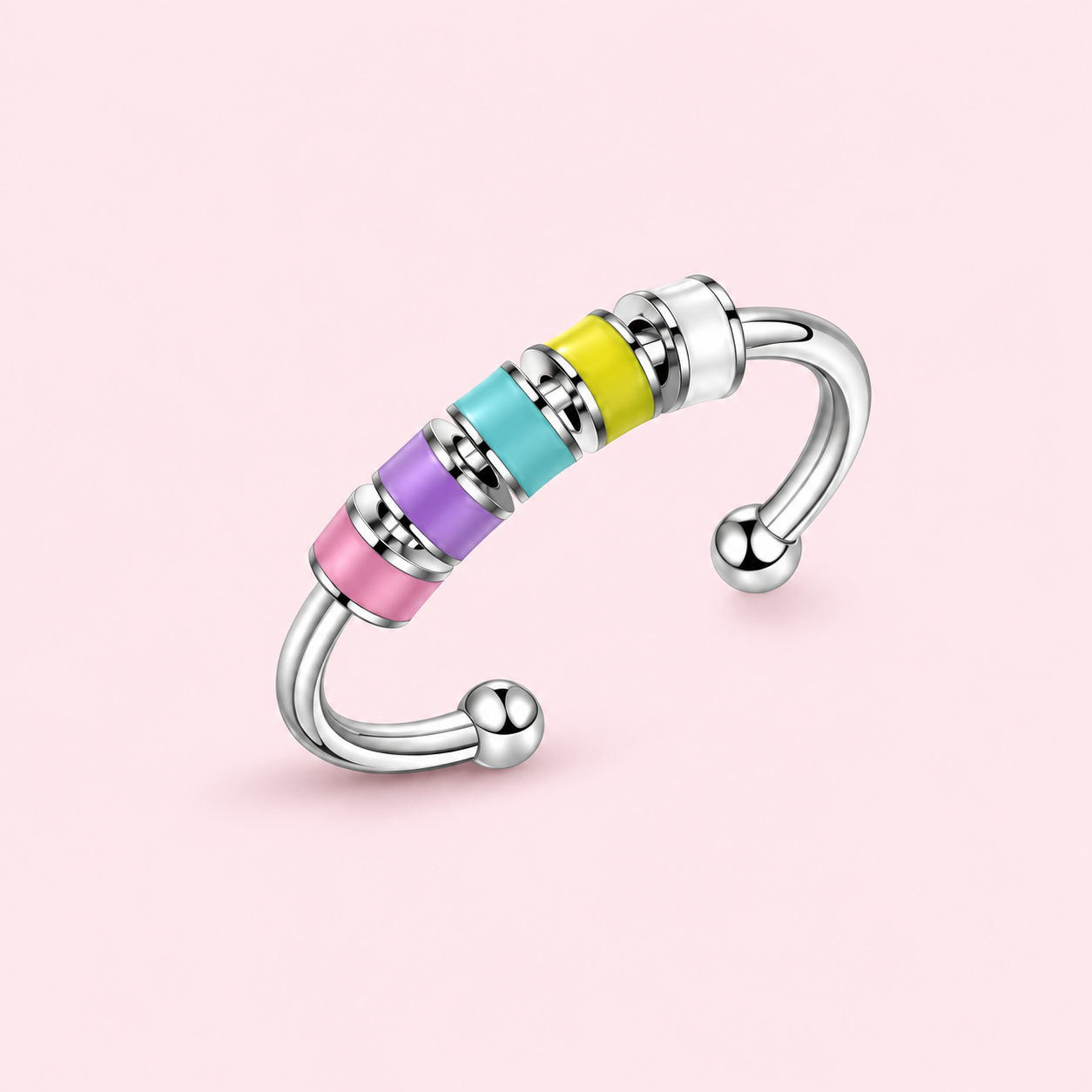
Everything is shared. Anything sized to a person — a ring, anything worn — cannot circulate. Anything that goes in a mouth cannot circulate either.
Everything migrates. Small objects leave the room in pockets. Plan on it rather than fighting it, and buy at a price and a quantity where it does not matter.
Nothing is handled gently. Thirty users is years of ordinary wear compressed into a term, and it finds every weak attachment point.
Sensory Toys for the Classroom That Hold Up
Solid, soft, one-piece objects. Nothing to break off, silent by construction, and they survive being dropped and sat on. The Silicone Sensory Stones are the type: no mechanism, no small parts, no noise.
Flat sliders with magnetic stops. Silent, one-handed, and the stop is felt rather than heard — the Magnetic Silicone Slider works entirely under a desk.
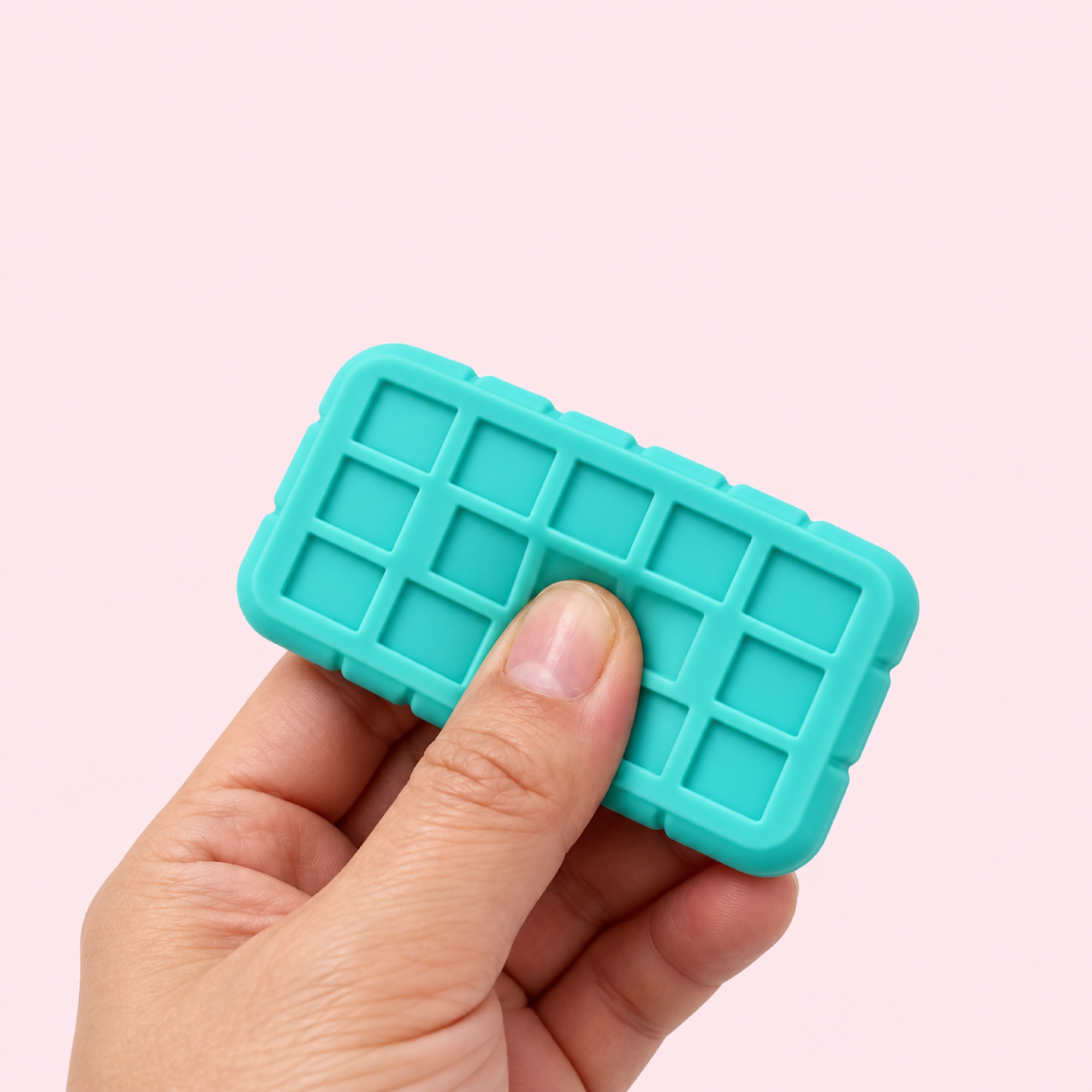
Boards that stay on a surface. A board cannot migrate in a pocket and can be used by two people at once, which makes it the best shared-table option. The Rainbow Sensory Board and the Teal Sensory Activity Board both sit still and get used where they are.
Silent pop-style bubbles. Genuinely quiet compared with a clicker, and cheap enough that losses do not matter — the Blue Butterfly Pop Fidget is an example.
What Gets Confiscated
Anything with visible motion. A spinner is silent to a microphone and impossible to ignore across a room, which is why it is the most confiscated object in the category and why the reasons are worth understanding before buying a class set — set out in the honest answer on spinners and focus.
Anything clicky. The click is the appeal and also exactly the problem, and it does not get quieter with familiarity.
Anything that becomes a projectile. If it can be thrown well, it will be.
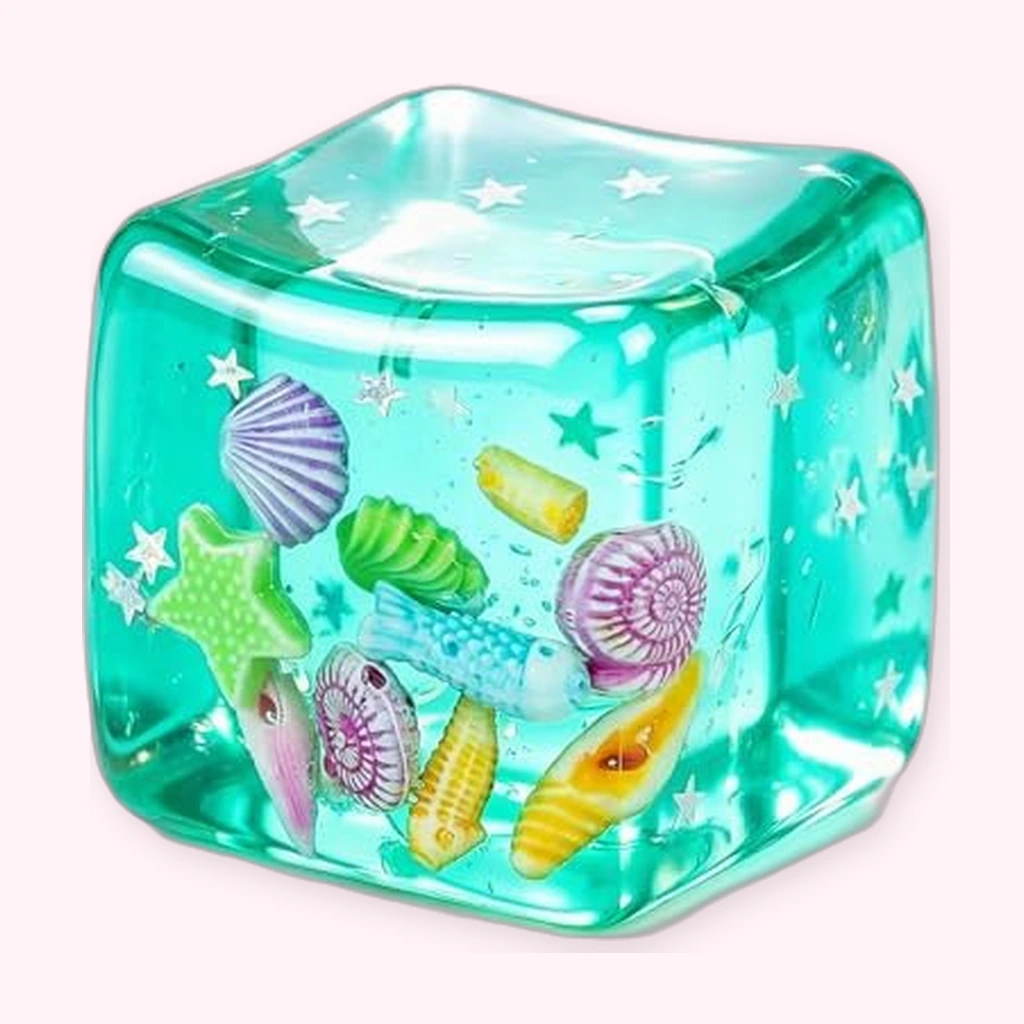
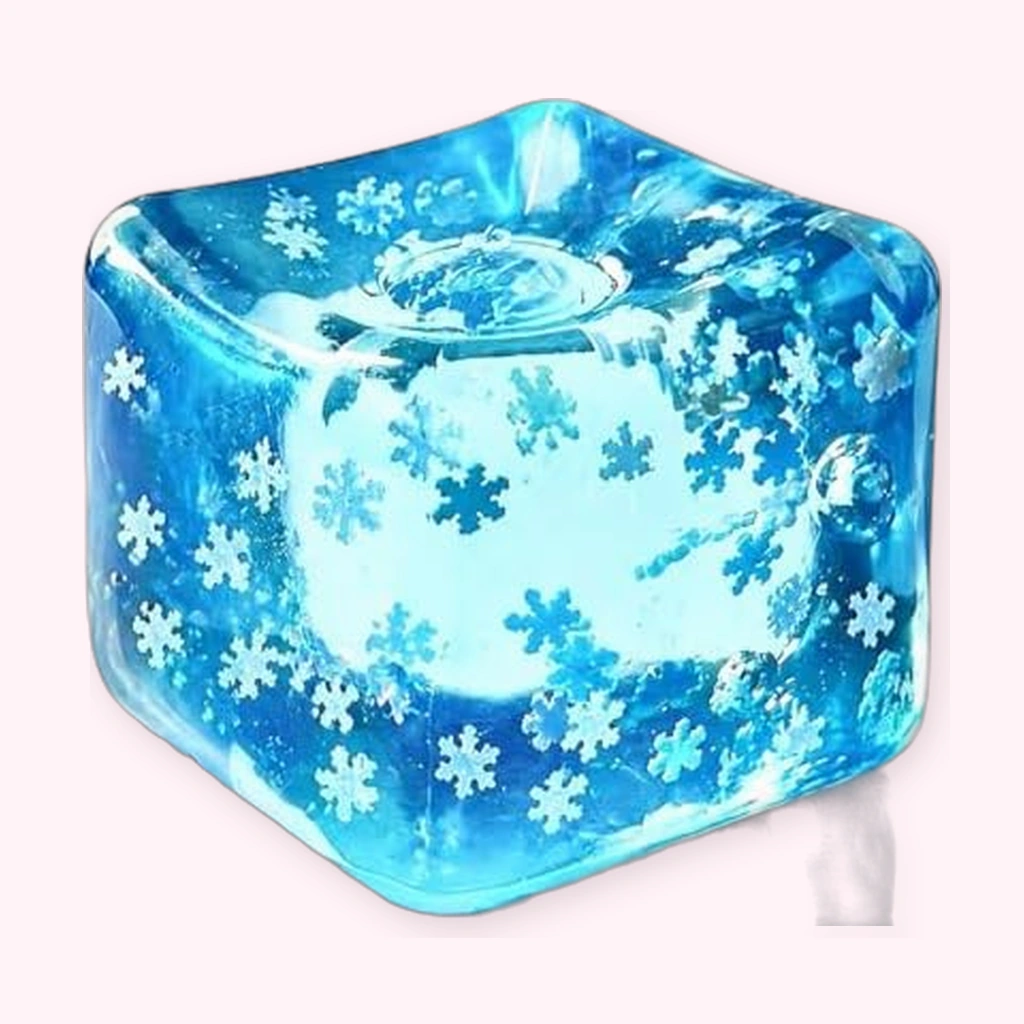
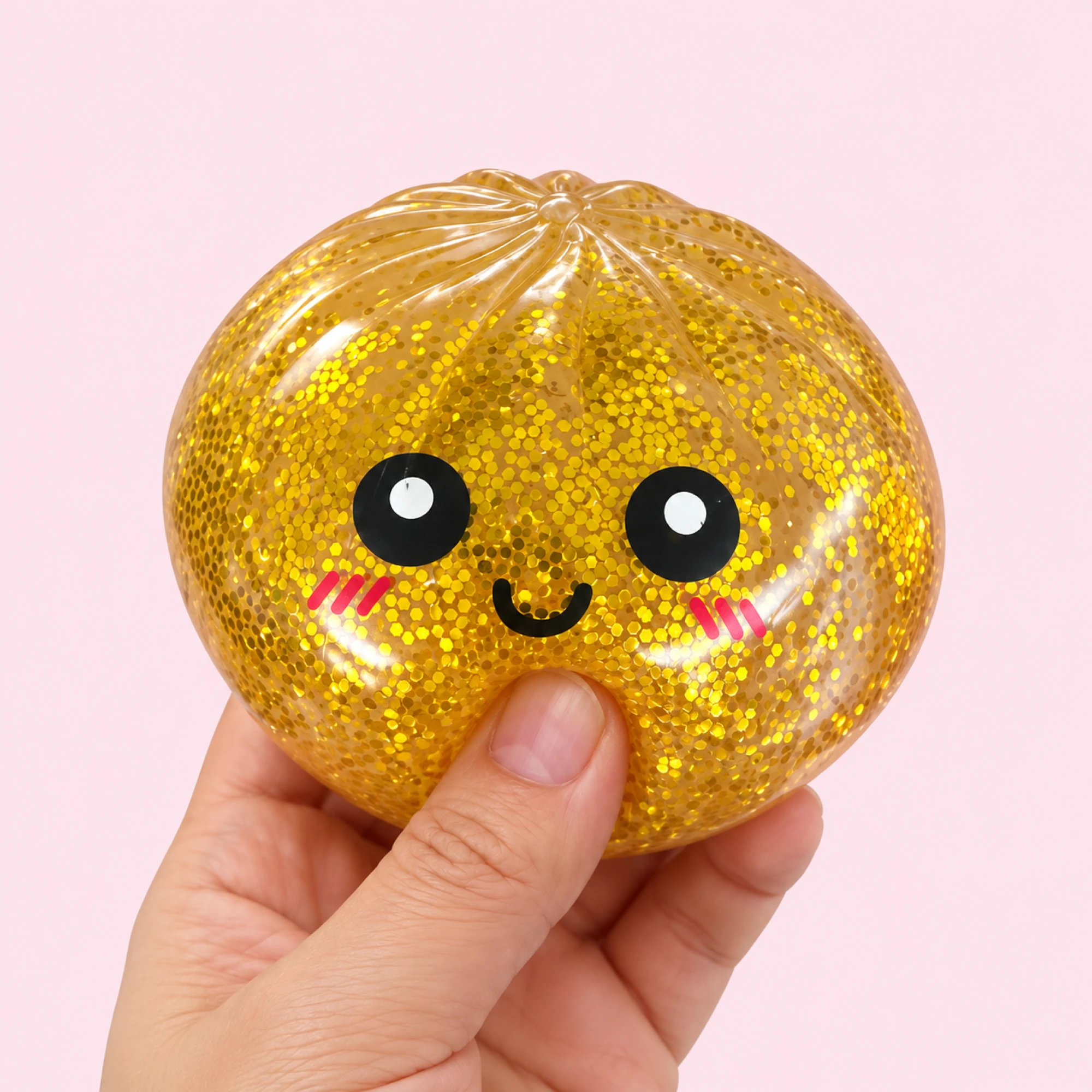
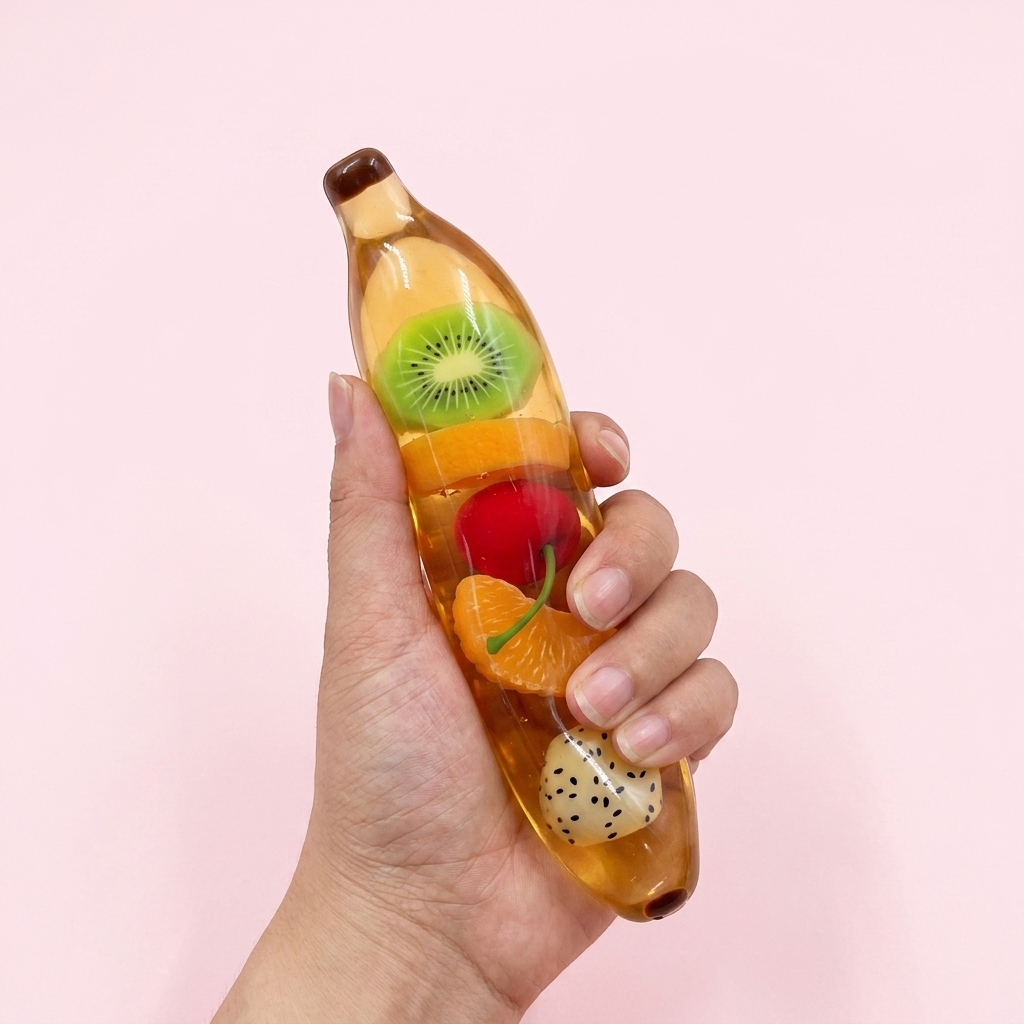
Anything that splits and leaks. Gel and fluid-filled toys are wonderful and completely unsuited to a shared room, because one puncture ends the lesson.
Buying for Thirty Instead of One
Buy multiples of few designs rather than one of many. Variety creates trading, and trading creates the problem the fidget was supposed to solve.
Buy at a price where a loss is a shrug. The correct mental model is consumables, not equipment.
Buy things that can be wiped. Anything going between hands needs a surface that survives a damp cloth — solid silicone does, flocked and fabric surfaces do not.
Keep a defined home for them. A tray or a box that things return to at the end of a lesson is what decides whether you still have any in December. The practical rules teachers actually apply are collected in fidgets in the classroom, and the quiet-first shortlist is in what teachers allow.
Budget, Realistically
A class set is not one purchase. It is a small purchase repeated, and budgeting for it as a single order is what leads to disappointment in November.
Work out what you can afford to lose in a term and buy that, rather than buying the best objects you can afford once. Two cheap sliders that are still in the room in December beat one good one that left in October.
Replace in small batches. It also refreshes the novelty, which is the other thing that wears out — the same object stops registering after a few weeks regardless of how well it is made.
The Test Before You Order a Set
Hold one and use it with your eyes shut. If you cannot operate it without looking, it will pull attention from the board rather than free it.
Then use it and listen from across a room. If you can hear it from three metres, it is not a classroom object.
Then drop it on a hard floor from desk height. Everything in a classroom does this weekly.
Then pull firmly on any attached part. Whatever comes off first will come off in week one.
Where They Should Live in the Room
Placement decides use more than the object does, and a classroom gives you three workable options.
A shared tray at the front. Anything in it is public, which removes the ownership arguments entirely. It also means a child has to get up, which is a feature for some rooms and a problem for others.
One per desk cluster. Boards suit this best because they stay put. The object belongs to the table rather than to a person, and it is there without anyone fetching it.
A personal pouch. Works, but only with a rule about when it opens. Without one, the pouch becomes the activity.
Whichever you pick, the thing that matters is that returning them is part of packing up, not a separate instruction. Sets survive terms when the tidying is automatic and disappear when it is announced.
Three That Pass All Four
Silicone Sensory Stones — solid, silent, nothing to detach, wipes clean.
Magnetic Silicone Slider — one-handed, silent, usable out of sight under a desk.
Teal Sensory Activity Board — stays on the table, works for two hands at once, cannot go home in a pocket.
Browse sensory fidget toys and fidget boards, or all fidget toys.