

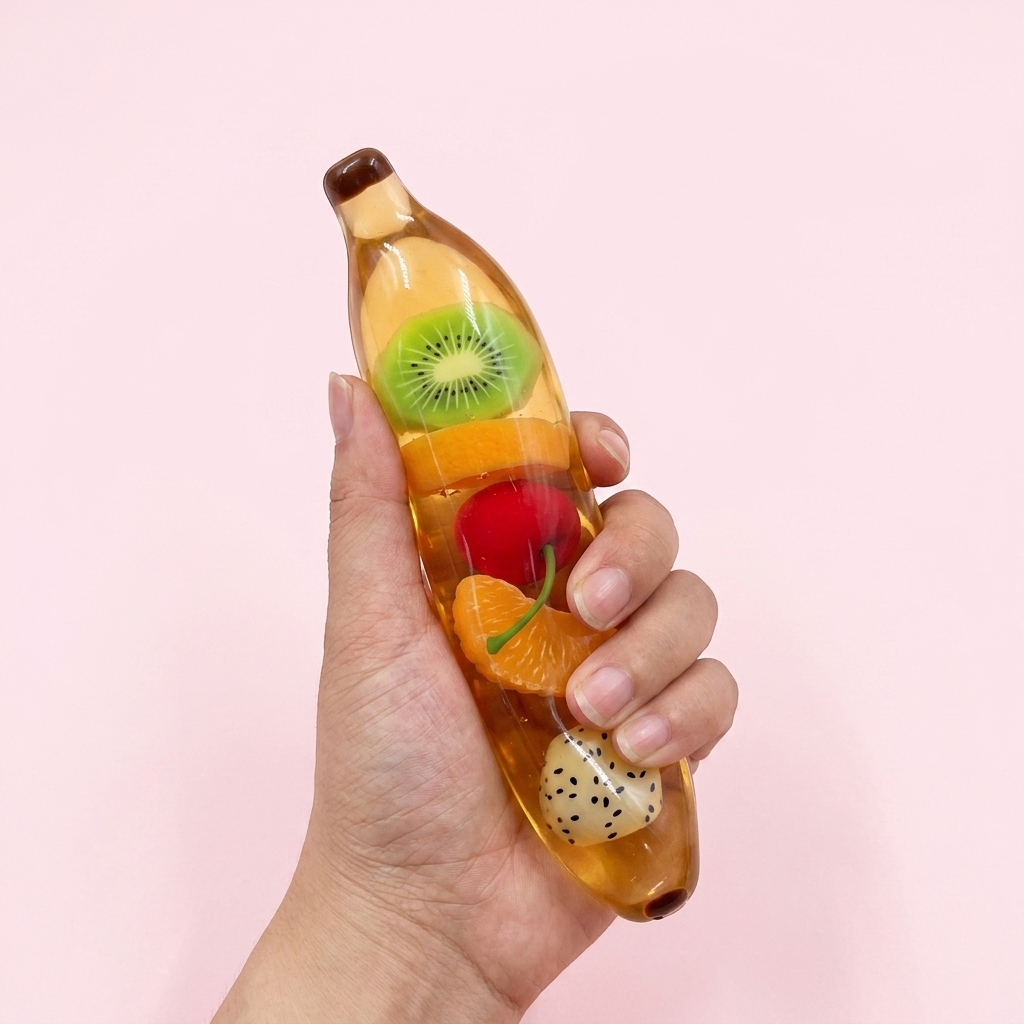

A fidget toy only helps if it survives the school day. The fastest way to lose one is to pick something that clicks, rolls across the floor, or turns into a distraction the moment the lesson gets quiet. The toys that stay in a student's hands are the ones that disappear into the background: silent, contained, and easy to use without looking down.
This guide focuses on the classroom fidget toys teachers genuinely permit, why they permit them, and how to choose one based on what a child's body actually needs. It also covers the quiet category almost nobody writes about, including butter squishies, and gives parents a practical script for getting a fidget approved instead of confiscated.
Table of Contents
- Why Some Fidgets Get Allowed and Others Get Confiscated
- The Quiet Scale: Rating Fidget Toys by Noise
- Best Silent Fidget Toys by Sensory Need
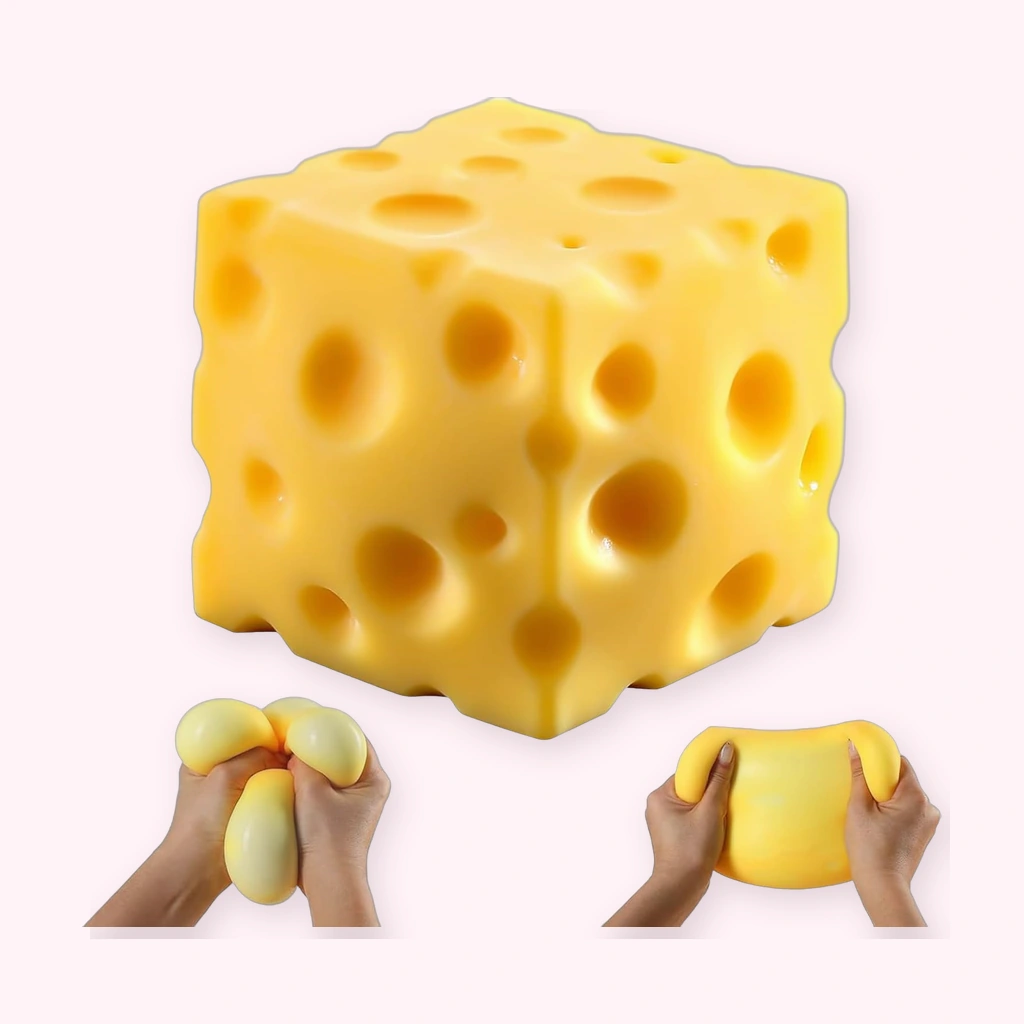
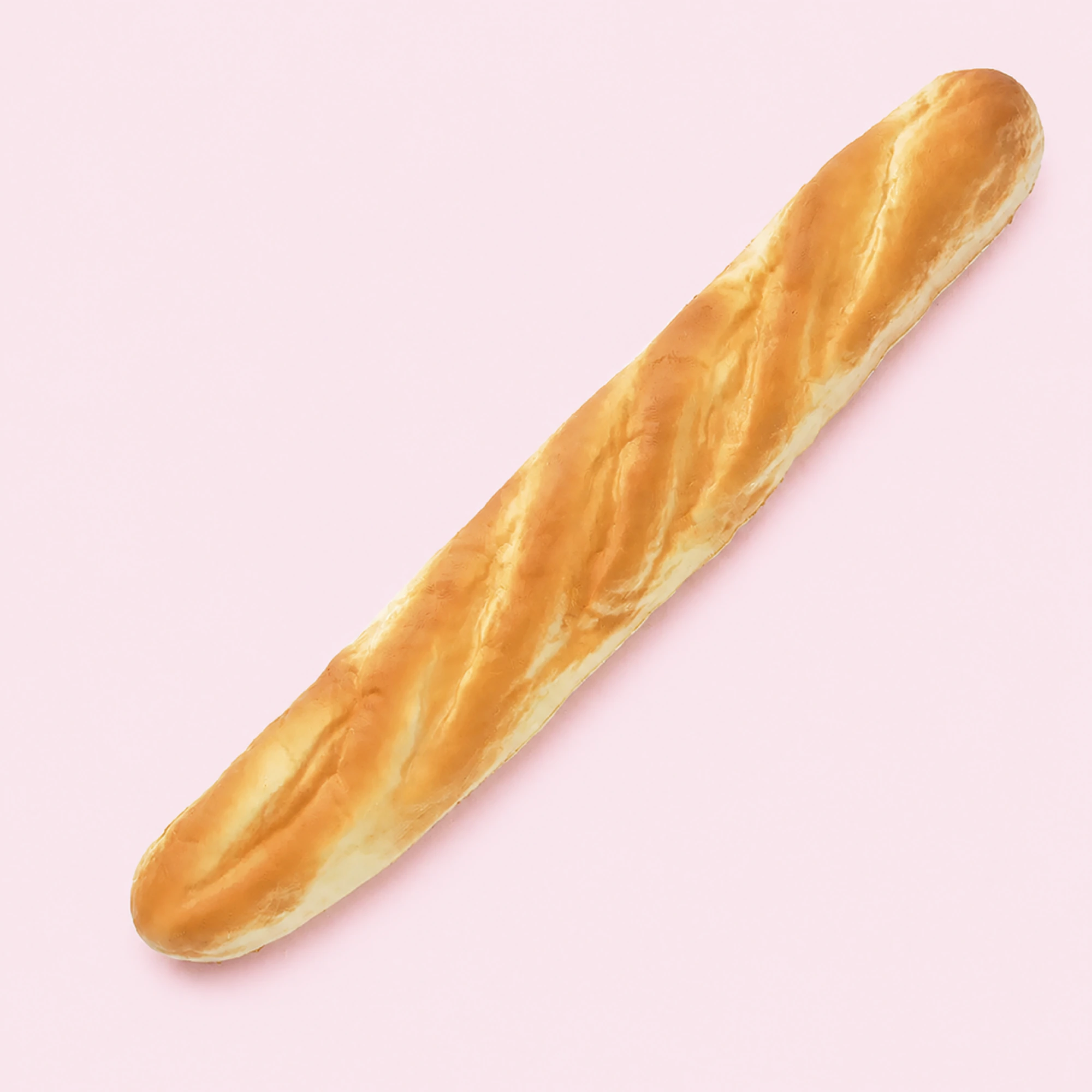
- Butter Squishy: The Underrated Quiet Fidget
- Fidget Toys for School by Age Group
- How to Get a Fidget Approved by the Teacher
- Fidgets, IEPs, and 504 Plans
- FAQ
Why Some Fidgets Get Allowed and Others Get Confiscated
Teachers do not ban fidgets because they dislike them. They ban the ones that pull attention away from learning. Ask any teacher and the pattern is consistent: a tool that helps one student focus is fine, but a toy that makes noise, gets thrown, or sparks a trade-and-show economy in the back row has to go.
That distinction, tool versus toy, is the whole game. Occupational therapists frame it the same way. A good classroom fidget is something a student can use without thinking about it, while keeping their eyes and mind on the lesson.
Commonly confiscated fidgets and why:
- Fidget spinners spin loudly, demand visual attention, and invite competition.
- Clicky buttons and snap toys produce repetitive sound that distracts neighbors.
- Stretchy "noodle" toys get flung, snapped, or used as pretend slingshots.
- Light-up or pop-it toys become a spectacle rather than a focus aid.
The quiet fidget toys that pass inspection share four traits: they are silent, they can be used with one hand and no eyes, they stay within the student's personal space, and they hold no novelty value to onlookers.
The Quiet Scale: Rating Fidget Toys by Noise
"Silent" gets thrown around loosely. In practice there are degrees of quiet, and knowing the difference helps you match a fidget to a strict classroom versus a relaxed one.
| Quiet Level | Description | Examples |
|---|---|---|
| Level 1 — Truly silent | No sound at all, even in a quiet room | Butter squishy, soft putty, fabric fidgets, felt squares |
| Level 2 — Near-silent | A faint friction or rub only the user hears | Tangle Jr., smooth worry stones, silicone strips |
| Level 3 — Low murmur | Occasional soft sound under normal classroom noise | Textured rings, soft kinetic sand pods |
For test days, reading time, or a teacher who runs a tight ship, stick to Level 1. For general classwork in a typical room, Level 2 is usually safe. Anything that registers above Level 3 belongs at home.
Best Silent Fidget Toys by Sensory Need
The most useful way to choose a fidget is not by product type but by what a child's nervous system is seeking. Matching the input to the need is what makes a fidget calming instead of stimulating.
Tactile input (skin and touch seekers). Children who crave texture and surface contact do well with soft, varied materials they can rub or press.
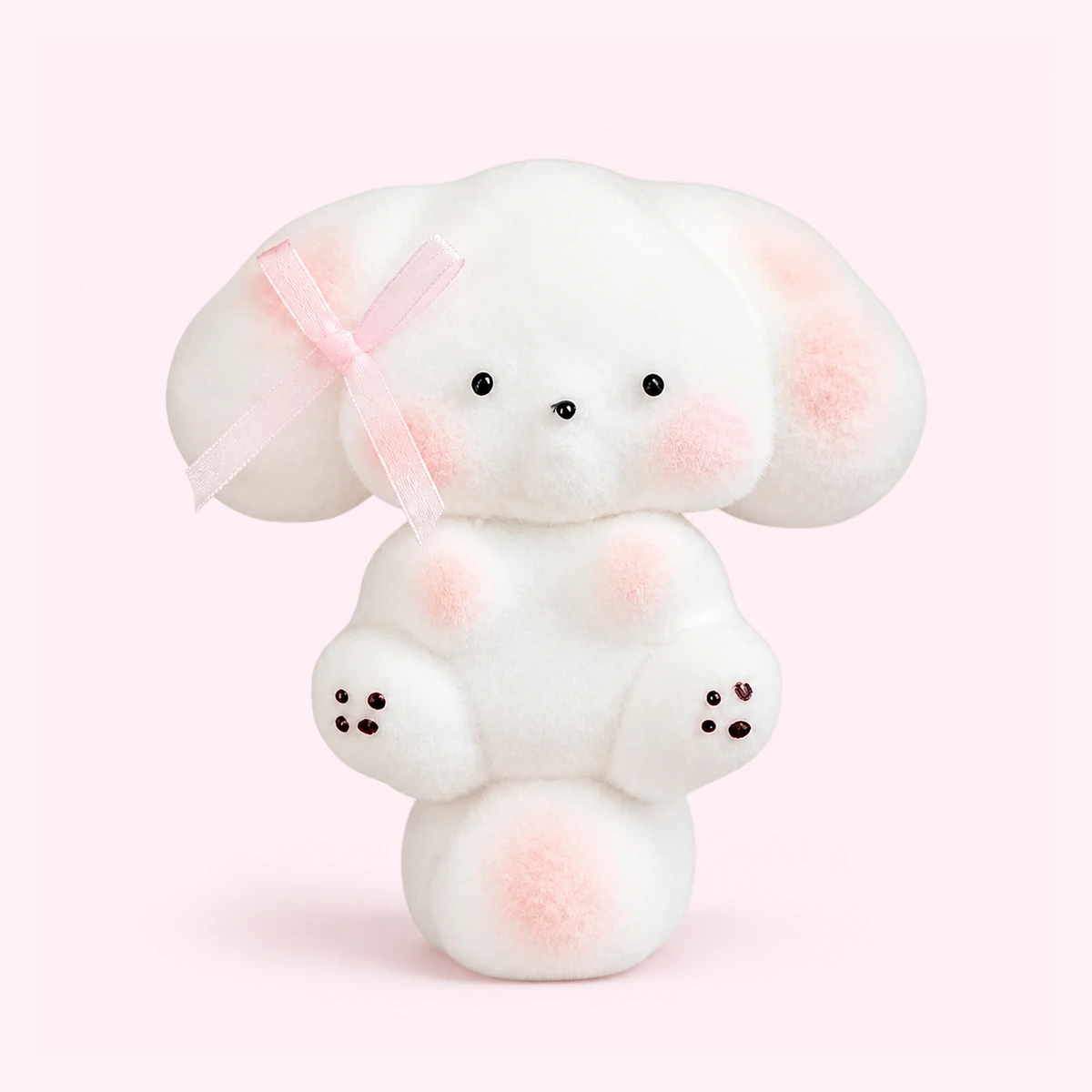
- Butter squishies (ultra-soft, slow-rebound)
- Therapy putty or soft dough in a sealed tin
- Velvet or textured fabric squares sewn into a pocket
- Smooth worry stones
Proprioceptive input (squeezers and pressers). Some kids need resistance and pressure to feel settled. They want to push, squeeze, and stretch against something.
- Dense stress balls
- Silicone pull-and-stretch strips
- Resistance bands looped around chair legs (silent and out of sight)
Visual and motion input (quiet movers). A smaller group focuses better with subtle, contained motion that does not produce sound.
- Tangle Jr. (a quiet, twistable loop)
- Liquid motion timers placed on the desk
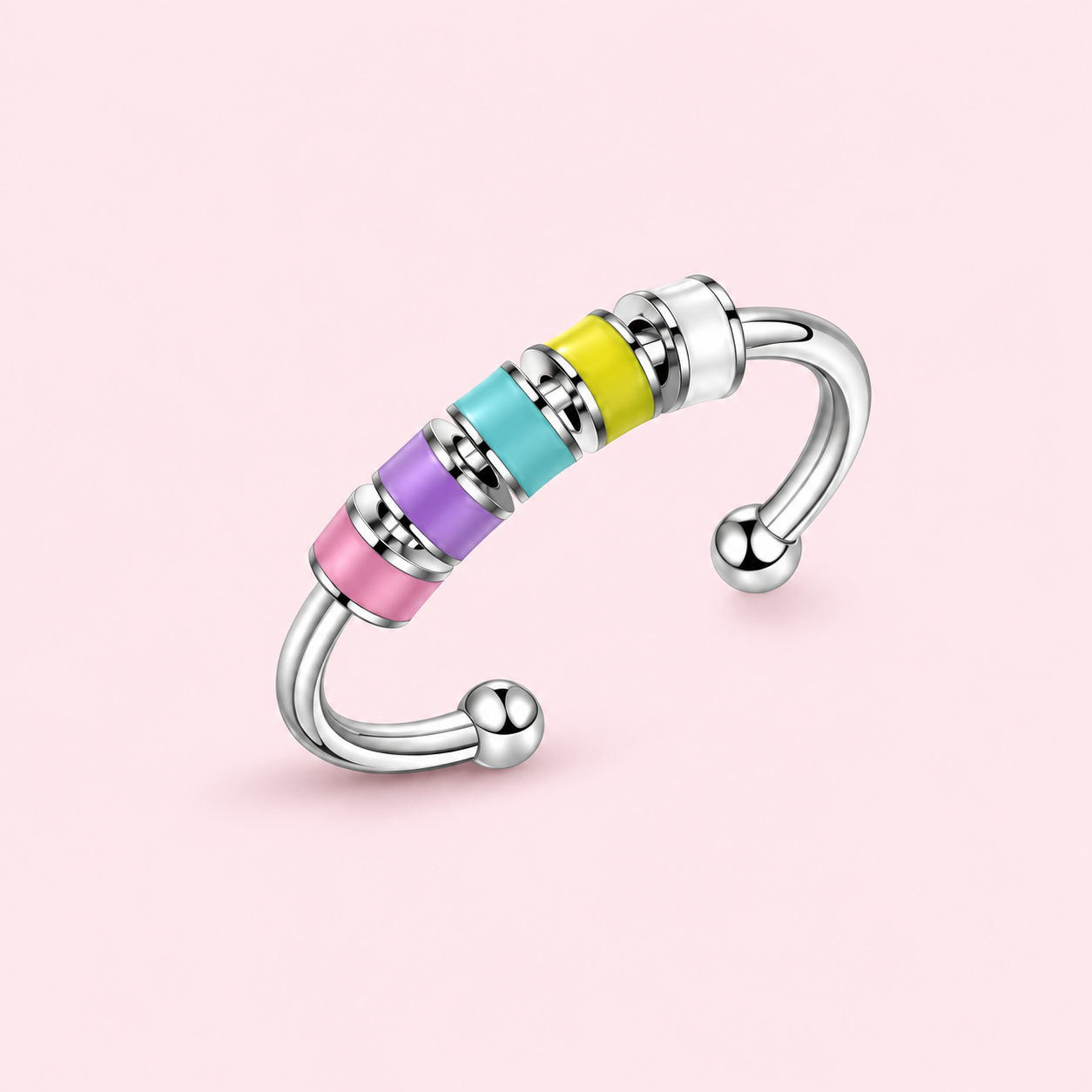
- Smooth fidget rings worn on a finger
Pick one category and start there. Stacking three different fidgets on a desk is a fast route to confiscation.
Butter Squishy: The Underrated Quiet Fidget
The butter squishy deserves its own section because it checks nearly every box teachers care about and almost no one talks about it.
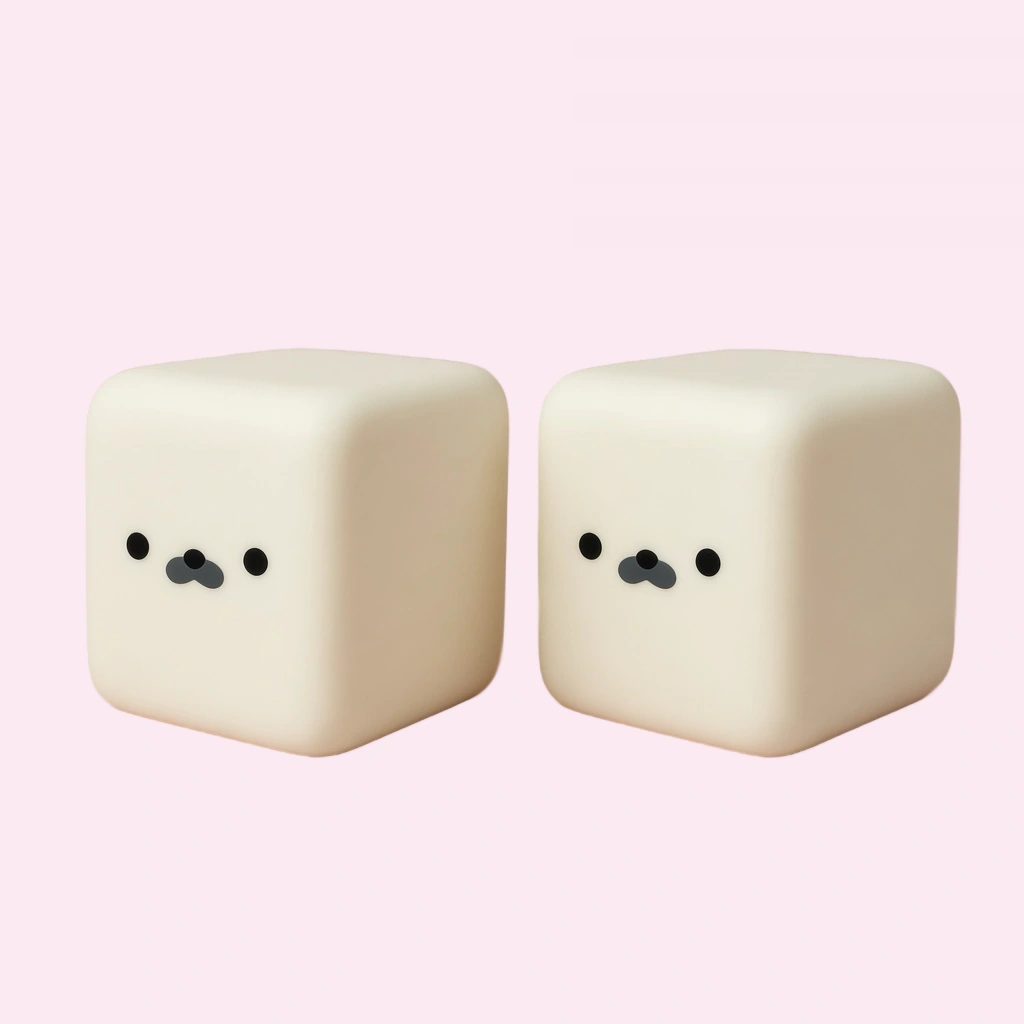
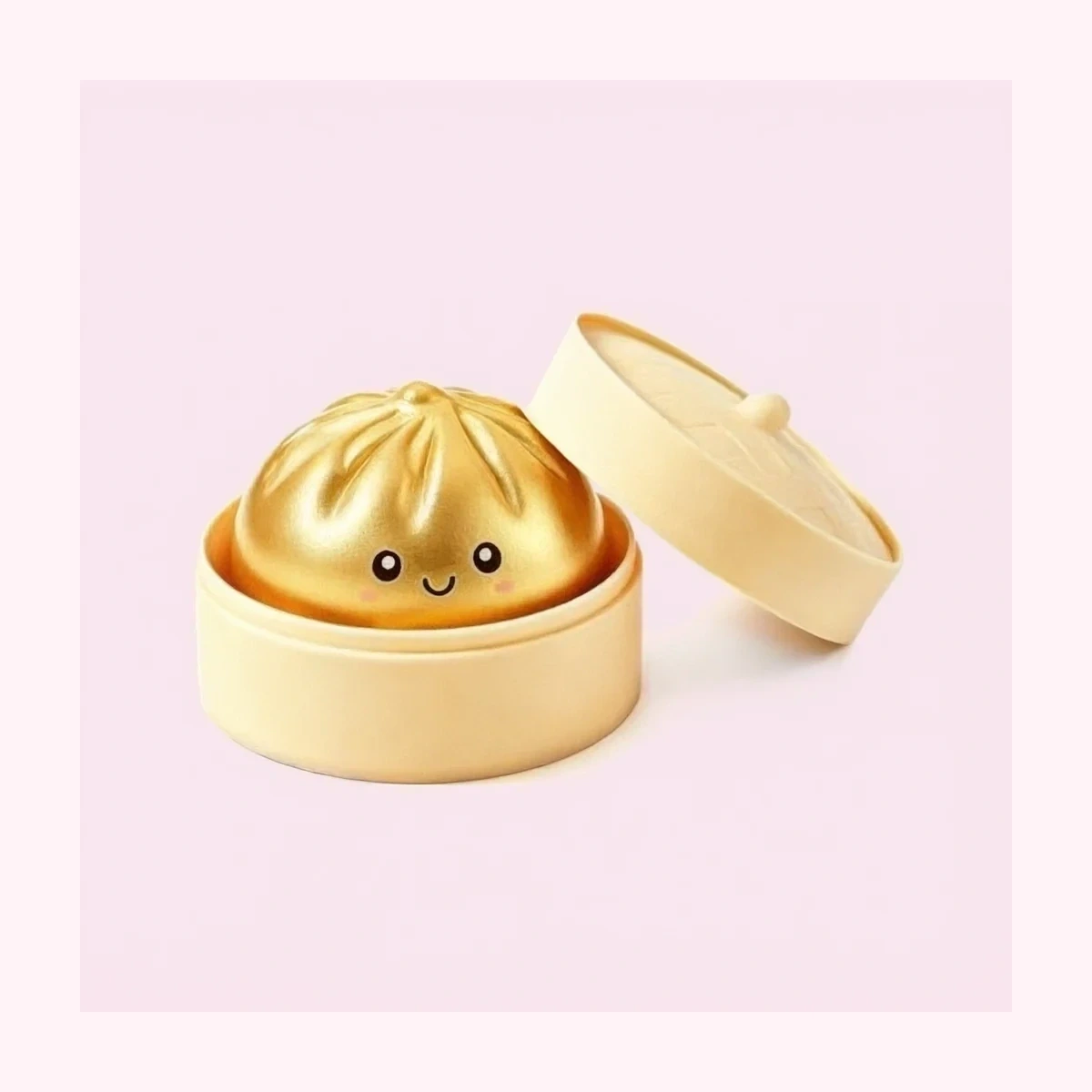
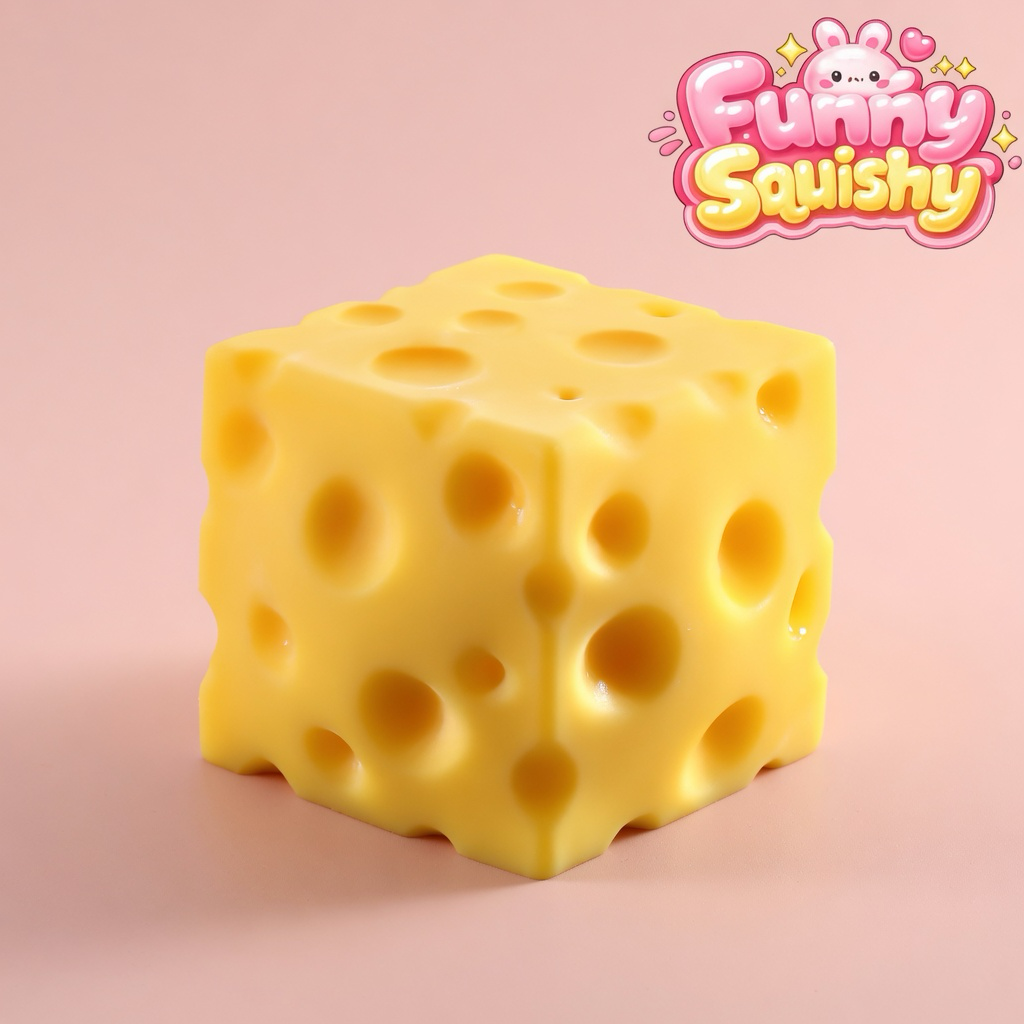
A butter squishy is a soft, slow-rising squishy with a dense, marshmallow-like give. Press it and it slowly reshapes itself. The texture is the appeal: it is heavier and more satisfying than a cheap foam squishy, and it makes zero noise.
Why it works so well as a silent fidget for school:
- Completely silent. No clicks, snaps, or air sounds. It sits firmly at Level 1 on the quiet scale.
- One-handed and eyes-free. A student can squeeze it under the desk while watching the board.
- Low novelty to neighbors. It is small and unremarkable, so it does not draw a crowd.
- Durable and washable. A good silicone or quality foam butter squishy survives months of daily handling.
For tactile and proprioceptive seekers, the butter squishy hits both needs at once: it gives texture on the surface and gentle resistance when squeezed. Look for ones with a sealed surface that will not tear, since a split squishy that leaks gel will get banned instantly.
Fidget Toys for School by Age Group
Age changes what works, mostly because older students care intensely about not standing out.
Early elementary (ages 5–8). Durability and simplicity matter most. Choose putty in a tin, soft squishies, or fabric fidgets attached to a clip so they do not hit the floor. Avoid anything with small detachable parts.
Upper elementary and middle school (ages 9–13). Discretion becomes the priority. Fidget rings, butter squishies kept in a pocket, and small Tangles let students fidget without announcing it. This is the age where loud or flashy fidgets cause the most social friction.
High school (ages 14+). Subtlety is everything. Worry stones, fidget rings, and small silicone strips that fit in a palm or pocket work best. At this age a fidget that looks like a toy is more likely to be set aside than confiscated, simply out of self-consciousness.
How to Get a Fidget Approved by the Teacher
The single best move is to involve the teacher before the fidget shows up in class, not after. A short, respectful conversation reframes the fidget as a focus tool rather than a contraband toy.
A simple script that works:
"Hi [teacher's name], [child] focuses better when their hands have something quiet to do. We'd like to send a silent fidget that stays in their hands and doesn't make noise. Could we agree on what's okay, and on a rule that it goes away if it ever becomes a distraction?"
Why this lands:
- It signals you respect the teacher's authority over the room.
- It pre-empts the noise and distraction concern by naming it first.
- It offers a built-in off-switch, which makes "yes" the easy answer.
Set expectations with your child too: the fidget stays in their space, it is not for sharing or trading, and if the teacher asks for it, it goes away without argument. That agreement is often what keeps it in play all year.
Fidgets, IEPs, and 504 Plans
For students with documented needs, a fidget can be more than a personal preference. It can be written into an IEP (Individualized Education Program) or a 504 plan as an accommodation.
When a fidget is listed as a support in one of these plans, it carries formal weight. A substitute teacher or a new staff member is expected to honor it, which removes the day-to-day uncertainty of "will it get taken away today." If your child receives special education services or has a 504 plan, raise the fidget at the next meeting and ask that "access to a sensory tool for self-regulation" be documented. An occupational therapist on the team can help specify the right type.
Even without a formal plan, keeping a brief note from a doctor or OT on file can smooth the conversation with a hesitant teacher.
FAQ
What is the quietest fidget toy for a strict classroom? A butter squishy or soft therapy putty. Both are truly silent, used with one hand, and unremarkable to anyone nearby, which keeps them off a teacher's radar.
Why do teachers confiscate fidget spinners but allow other fidgets? Spinners make noise, demand visual attention, and turn into a competitive show-and-tell. Quiet fidgets that stay in a student's hands without drawing attention solve the focus problem without creating a new distraction.
Are fidget toys actually proven to help focus? For many students, especially those with ADHD or sensory processing needs, a quiet repetitive motion can support attention and self-regulation. Results vary by child, so match the fidget to the specific sensory need and watch what genuinely helps.
Can a fidget toy be required as a school accommodation? Yes. If it is written into an IEP or 504 plan as a sensory or self-regulation support, the school is expected to honor it, including with substitute teachers.
What fidget is best for an older student who doesn't want to stand out? A fidget ring or a small worry stone. Both are discreet, silent, and easy to use in a pocket or palm without anyone noticing.
How do I stop my child's fidget from getting taken away? Agree with the teacher in advance, choose a silent option, and set a clear rule with your child that it stays in their own space and goes away the moment it becomes a distraction.
The right fidget is the one nobody else notices. Choose quiet over flashy, match it to what your child's hands are actually asking for, and bring the teacher into the decision early. Do that, and the fidget stops being something to hide and becomes a small, steady tool that helps a kid get through the school day.
Want the real thing instead of a craft? Grab our butter squishy and explore the full butter squishy collection, or browse all our quiet squishy fidget toys.
Buying for a whole class rather than one child? The durability, sharing and replacement side of it is in sensory toys for the classroom, which covers what survives a term of thirty hands.