


Last updated: July 2026 · Funny Squishy team
The best squishies for small hands and younger kids (ages 6+) are lightweight, palm-sized or mini toys that compress easily without much grip strength. Round dumpling squishies, grippable butter sticks, small gel-filled shapes, and mini food squishies are the easiest for little fingers to squeeze fully. Skip jumbo styles that are too big to close a small hand around, and always supervise young children since squishies are not toys for mouthing.
Why size and grip strength matter for younger kids
A squishy only feels satisfying when a child can compress it all the way and feel it spring or settle back. Younger kids simply have smaller palms and less grip strength than adults, so a toy that an adult finds soft can feel firm, oversized, or frustrating in a six-year-old's hand. The goal is a full, easy squeeze without straining.
Two things drive the right fit:
- Size: The squishy should fit fully inside a closed hand. Palm-sized and mini shapes let small fingers wrap all the way around and press the center.
- Softness and give: Very soft PU foam and gel-filled TPR compress with light pressure, so kids do not need strong hands to get a full squeeze.
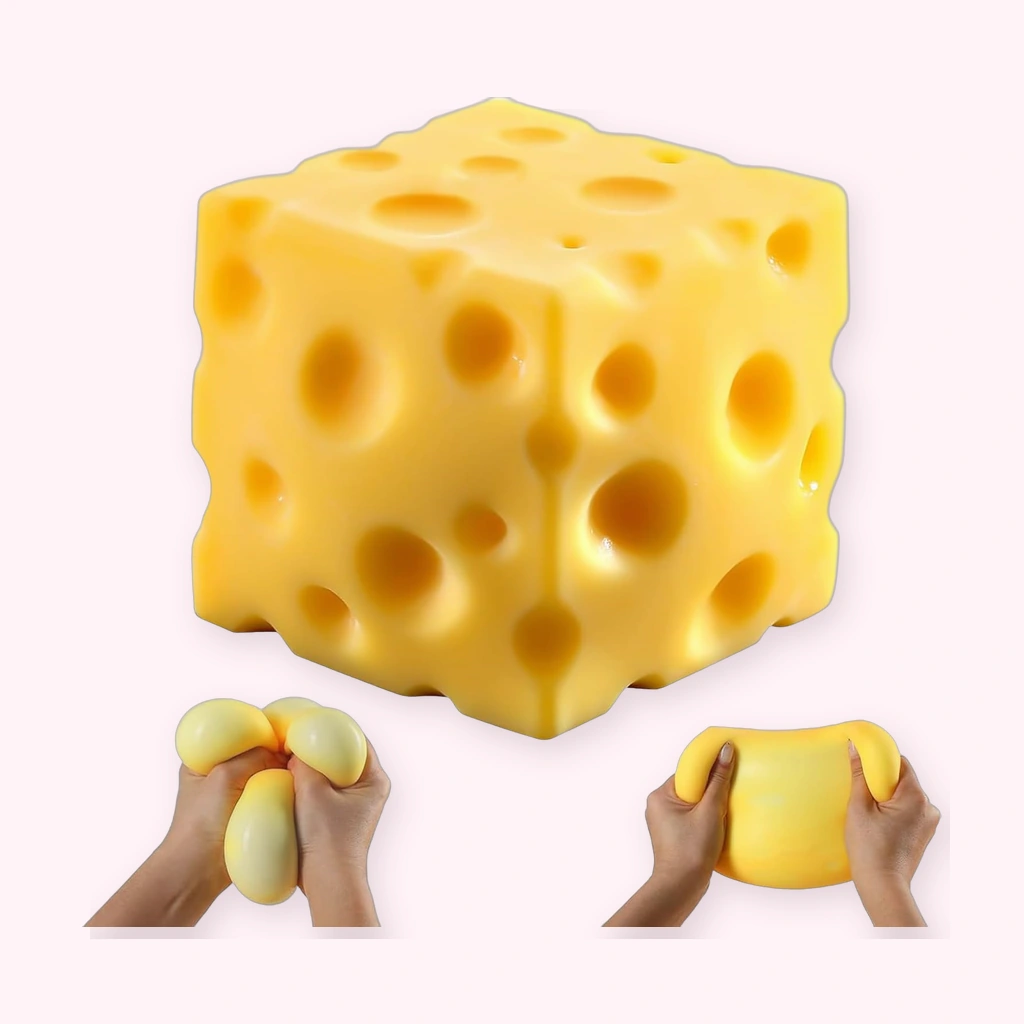
Jumbo squishies (large slushy balls, oversized foam blocks) are wonderful for older kids and adults, but they are usually too wide for a small hand to close around and can feel like hard work rather than easy fun. For younger kids, smaller almost always wins.
Best squishy shapes and types for little hands
Shape matters as much as size. Rounded, compact, and grippable designs are the friendliest for developing hands. Here are the styles we recommend most for ages 6+.
Round dumpling squishies (palm-sized)
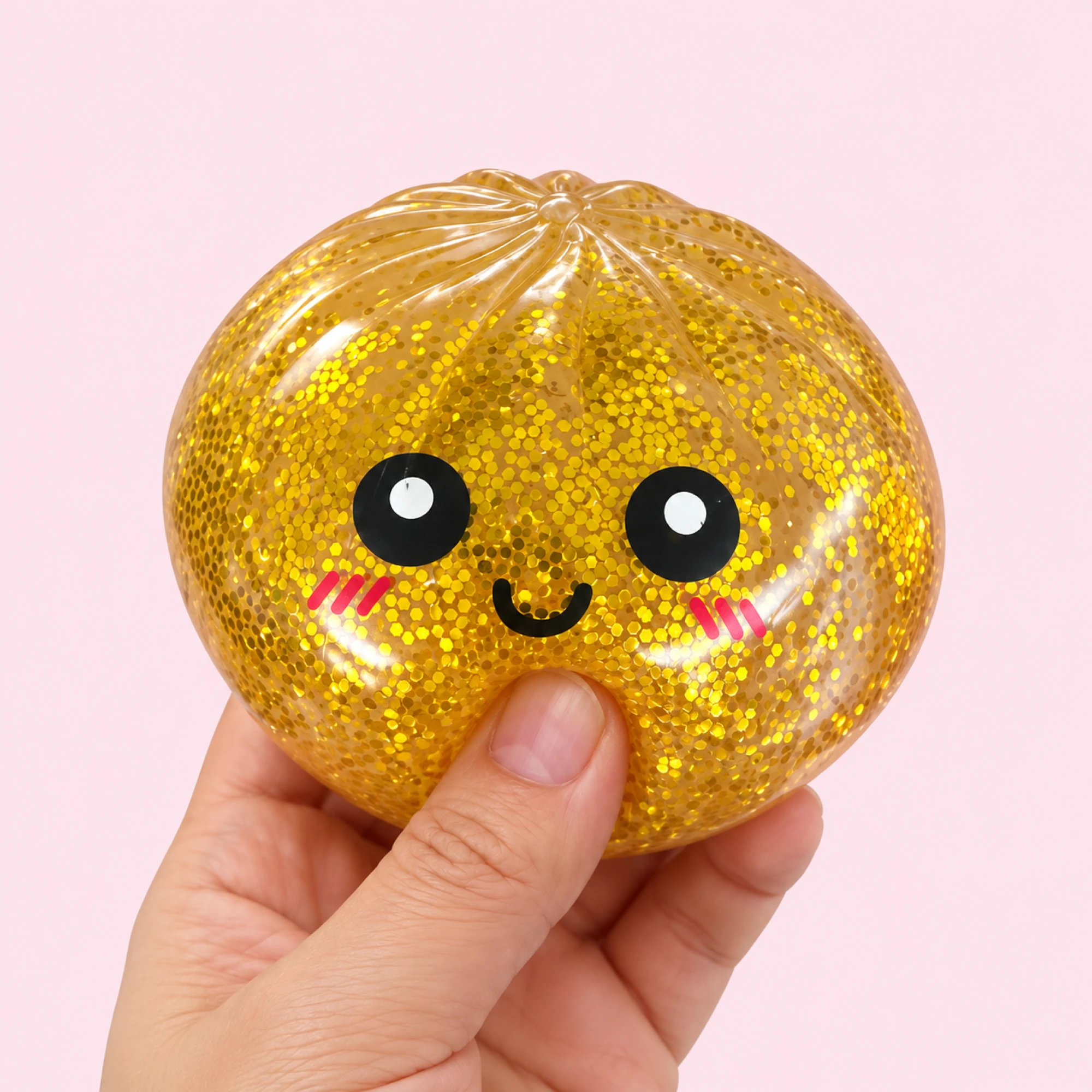
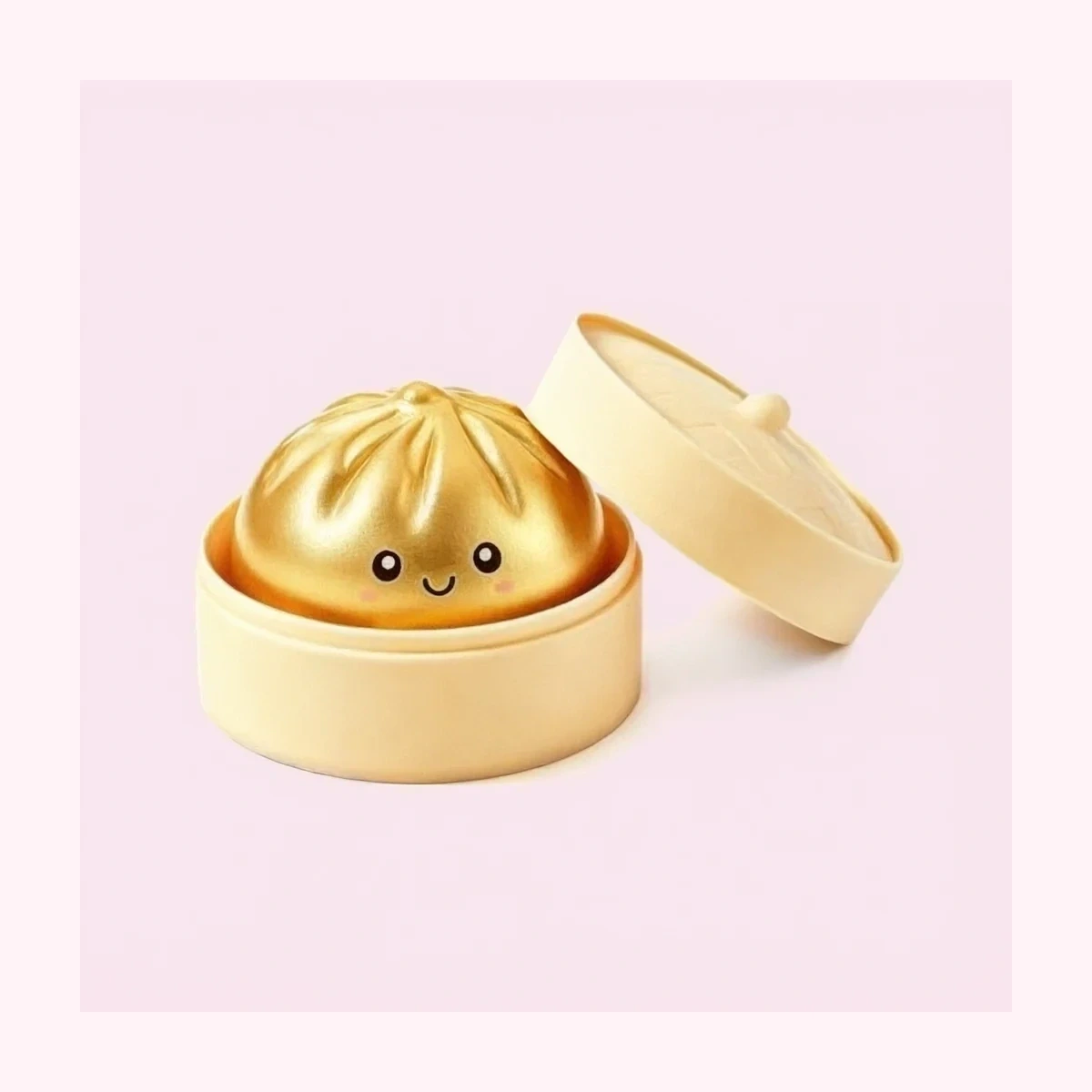
Dumplings are a top pick for small hands: they are round, compact, and sized to sit right in the middle of a child's palm. The gentle curve gives little fingers something easy to wrap around, and the soft body compresses without much effort. They are also collectible and fun, which keeps kids engaged. Our dumpling squishy collection and the Dumpling Mystery Box are easy, budget-friendly starting points.
Grippable butter-stick squishies
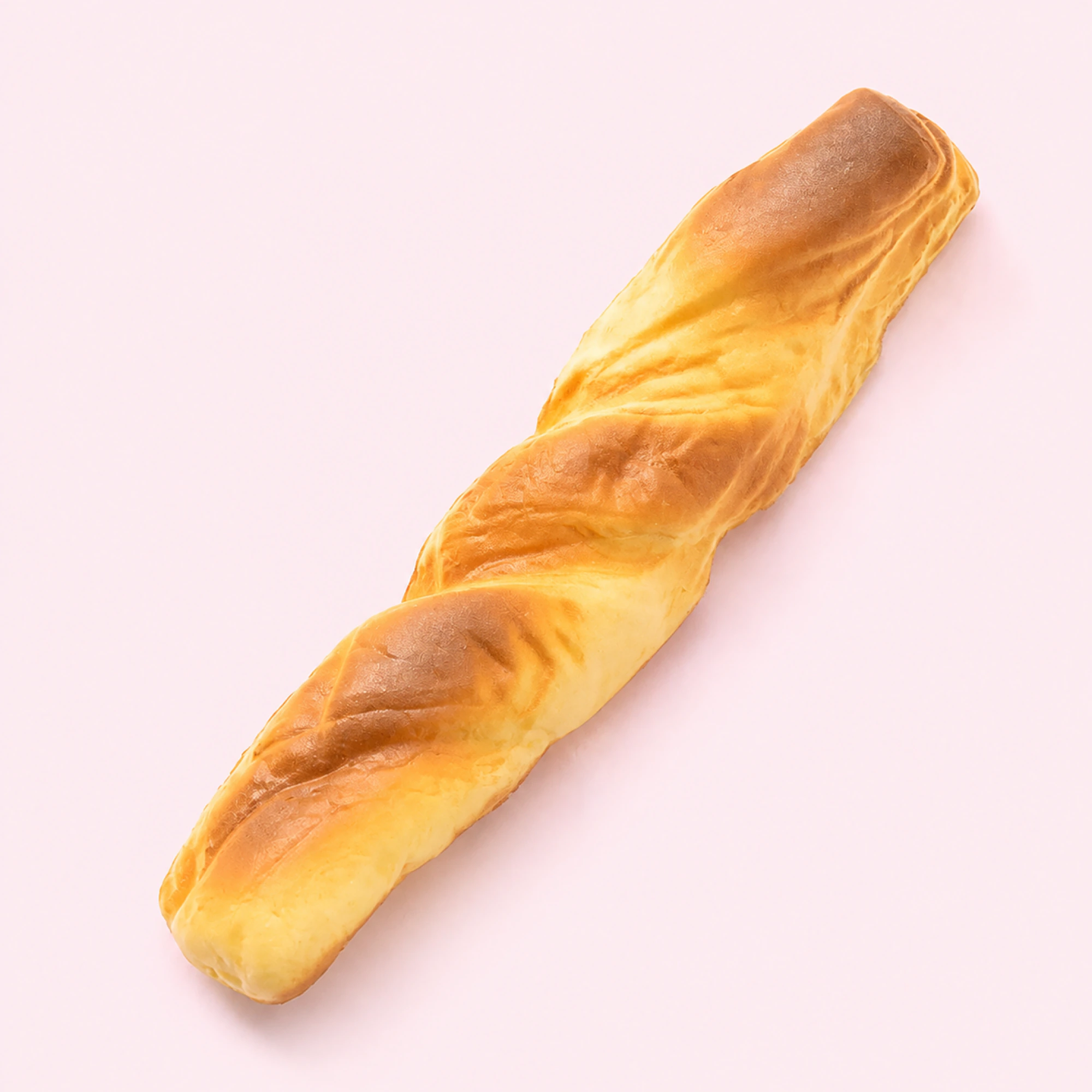
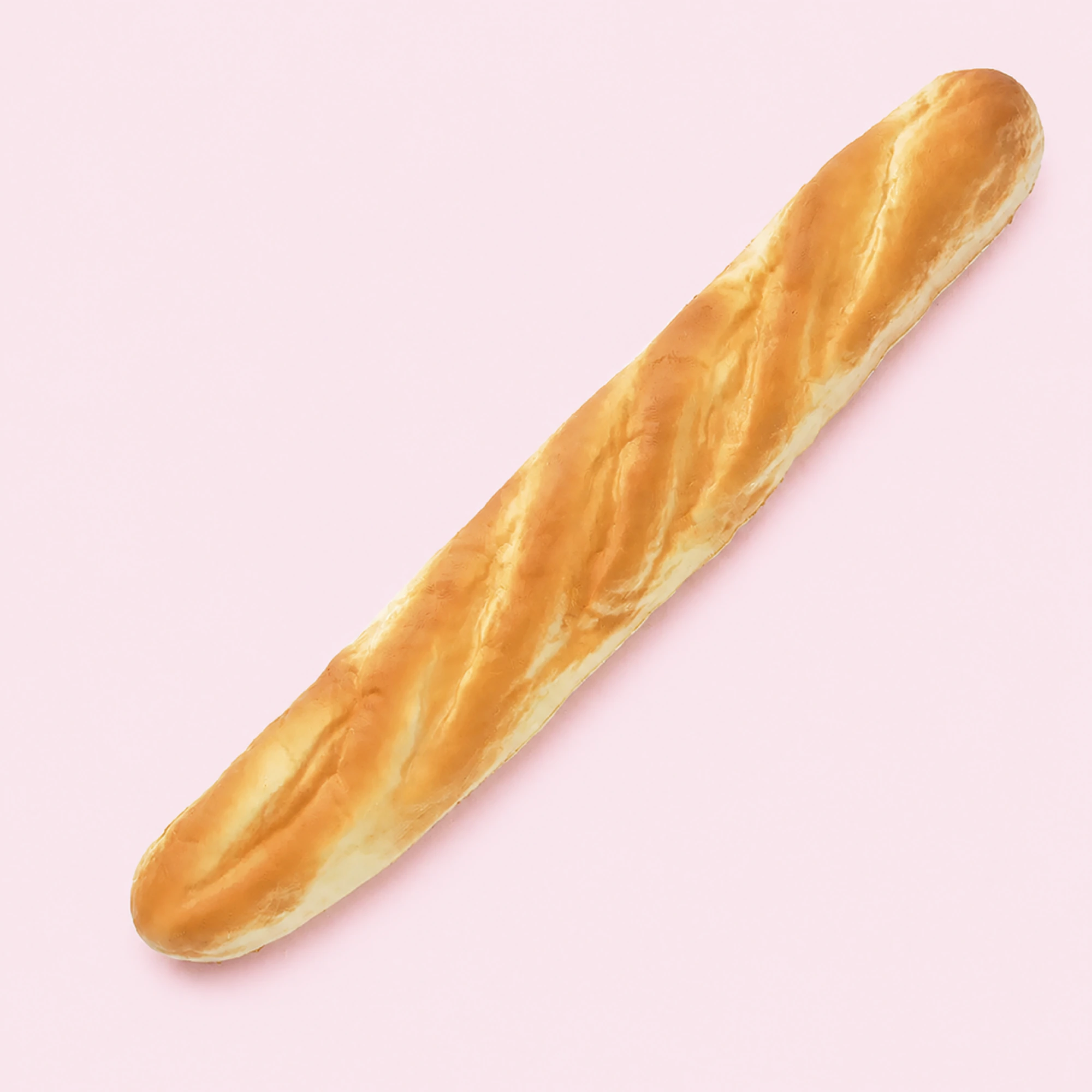
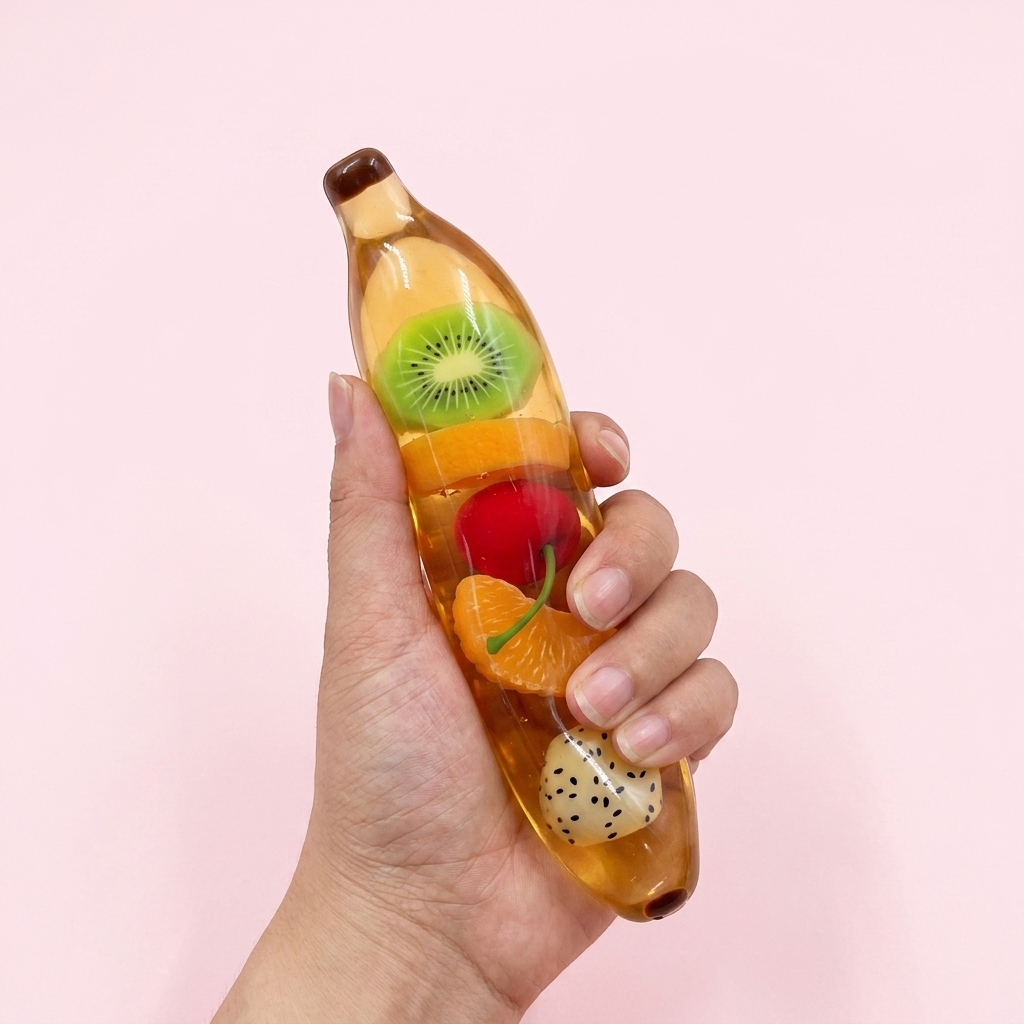
A butter-stick shape is longer and narrower than a ball, so smaller hands can grab it lengthwise and squeeze along its whole body. That elongated form is naturally grippable for kids who find round shapes a little wide. Browse the butter squishy collection to see the styles.
Mini food and small gel shapes
Mini food squishies (small novelty shapes) and small gel-filled toys like the Gummy Bear Squishy are compact and very soft. Gel-filled TPR holds a dent and settles slowly, which many kids find fun to watch and easy to press. Because the gummy bear is small and light, it suits little hands better than a jumbo gel ball.
Quick comparison: matching size to small hands
| Squishy | Size for small hands | Feel | Why it fits younger kids (6+) |
|---|---|---|---|
| Dumpling squishy | Palm-sized, round | Soft, springs back | Compact curve is easy to wrap fingers around |
| Butter-stick squishy | Long, narrow | Grippable, stretchy | Elongated shape suits a lengthwise grip |
| Gummy Bear (gel) | Small, light | Zero bounce-back, holds the dent | Low effort to press, fun to watch settle |
| Mini food shapes | Mini | Soft foam | Fits fully inside a closed little hand |
| Jumbo slushy balls | Large | Firm, big squeeze | Best for older kids/adults — too wide for small hands |
If you want to explore everything in one place, the full squishies collection lets you compare shapes and sizes side by side, and a mystery box (around $13) is a low-cost way to let a child discover which style they like best.
Slow-rising foam vs zero bounce-back gel
Two materials cover most kid-friendly squishies, and both work well for small hands when the toy is the right size:
- PU foam (slow-rising): Springs back over about 5–10 seconds. Light and airy, great for repeated squeezing.
- TPR gel-filled (zero bounce-back): Holds the dent and settles slowly. Very soft and low-effort to press, which small hands appreciate.
Neither is "better" for kids — it comes down to the sensation they enjoy. If you want a fuller breakdown, see our guide on zero bounce-back vs slow-rising squishies. For kids who seek fidget and sensory input, our roundup of sensory squishies covers texture and feel in more detail. Many children find squeezing a squishy calming or grounding, though it is a toy and not a treatment.
Safety tips for younger children
Squishies are recommended for ages 6 and up because they can contain small parts — they are not suitable for toddlers under 6. Keep these basics in mind:
- Supervise younger kids during play, especially the first few times with a new toy.
- Not for mouthing or chewing. Squishies are squeeze toys, not teethers. If a child tends to mouth toys, this is not the right item for them.
- Check for a strong chemical smell. Reputable squishies are non-toxic and phthalate-free; a strong, lasting chemical odor is a red flag. Learn the warning signs in how to spot a fake or toxic squishy.
- Never microwave, heat, or freeze a squishy. It can damage the material and is unsafe.
- Keep it clean. Wipe foam squishies (don't soak them); sealed gel toys can be rinsed. Our cleaning guide walks through it.
For a broader look at types, materials, and buying decisions, our squishy buyer's guide is the best place to start.
Frequently asked questions
What age are squishies suitable for?
Squishies are recommended for ages 6 and up because they can contain small parts that pose a choking risk to younger children. They are not suitable for toddlers under 6. Even for kids 6+, adult supervision is a good idea, and squishies should never be mouthed or chewed since they are squeeze toys, not teethers.
Which squishy is easiest for a small child to squeeze?
Palm-sized dumplings and small gel-filled shapes like the Gummy Bear are among the easiest, because they are compact and very soft. A butter-stick shape also works well for a lengthwise grip. Choose a toy that fits fully inside a closed hand and compresses with light pressure so little fingers can get a full, satisfying squeeze.
Are jumbo squishies bad for small hands?
They aren't unsafe, just harder to enjoy. Jumbo slushy balls and oversized foam blocks are usually too wide for a small hand to close around, so a younger child can't compress them fully and the squeeze feels like effort. For ages 6+, palm-sized and mini shapes deliver a more satisfying experience than jumbo styles.
How do I clean my child's squishy?
Wipe foam (PU) squishies gently with a damp cloth and mild soap, then air-dry — don't soak them, as foam absorbs water. Sealed gel-filled toys can be rinsed under cool water and patted dry. Never microwave, heat, or freeze a squishy to clean it. See our cleaning guide for step-by-step help with each material.
Do squishies help kids calm down?
Many kids and adults find that squeezing a soft toy feels calming or grounding, and squishies are a popular fidget for busy hands. That said, a squishy is a fun sensory toy, not a medical device or treatment. If you're looking for gentle, satisfying fidget input, small soft shapes for little hands are a great everyday option.
Ready to find the right fit for little hands? Start with our palm-sized dumplings or grippable butter squishies, browse the full squishies collection, or try a mystery box (around $13) to let your child discover a favorite. Check the current price on each product page.