
Dementia fidget toys can provide a simple, optional hand activity during sensory care, but they do not treat dementia, Alzheimer's disease, or agitation. A caregiver should first look for pain, illness, medication effects, fatigue, and environmental stress. Any toy should then be offered as a supervised choice, with stricter limits for chewing, swallowing difficulty, damaged surfaces, or shared use.
What Dementia Fidget Toys Can and Cannot Do
A soft object may give restless hands something uncomplicated to hold, press, or explore. That tactile stimulation can be part of a familiar routine in home care or memory care, especially when conversation or multi-step activities feel demanding. The useful question is not whether every person with dementia needs a fidget. It is whether this individual appears interested and can handle the item without mouthing, tearing, or throwing it.
Responses vary. One person with Alzheimer's may quietly examine a textured shape; another may ignore it or become frustrated. Do not promise that dementia fidget toys will stop pacing, prevent repetitive behavior, reduce agitation, or restore calm. They are activity objects, not medical devices, behavioral treatments, restraints, or substitutes for attentive care.
Check the Cause of Agitation Before Offering a Toy
The National Institute on Aging (NIA) explains that agitation and aggression usually have a reason. Possible contributors include pain, depression, stress, constipation, too little sleep, a sudden change in routine, excessive noise or confusion, loneliness, and medication effects or interactions. A new object should never distract caregivers from those possibilities.
- Check the body: look for signs of pain, fever, constipation, hunger, thirst, toileting needs, skin irritation, or unusual sleepiness.
- Review medicines and illness: note recent prescriptions, dose changes, infection symptoms, falls, or other sudden changes.
- Check the setting: reduce crowding, glare, noise, clutter, and demands; use a calm voice and a familiar routine.
- Contact the care team: report new, severe, or worsening agitation to the person's doctor, nurse, or other qualified care professional. Seek emergency help if anyone is in immediate danger.
When confusion and restlessness increase in late afternoon or early evening, the pattern is called sundowning. NIA suggests regular schedules, daylight exposure, suitable daytime activity, and avoiding late caffeine, alcohol, and long naps. A fidget may be one optional activity within that plan, not the plan itself.
How to Trial Sensory Care Respectfully
Choose dementia fidget toys by observed ability rather than diagnosis alone. Favor an easy-to-grasp size, a surface that can be visually inspected, and a design without detachable accessories. Sit nearby, show the item without forcing it into the person's hand, and offer one simple invitation such as, “Would you like to hold this?” Respect refusal.
Observe the whole response: facial expression, grip pressure, breathing, attempts to bite, and whether the person sets the item down. Stop if frustration, repeated twisting, chewing, or forceful pulling begins. In memory care, record what was offered, when, and what happened so different caregivers can follow the same boundaries. Sensory care works best as an individualized trial, not a claim that one texture suits everyone with Alzheimer's.

Two hands press the flexible, bead-filled body of a pink cow-shaped squishy.
Water Bead Squishies Need Extra Boundaries
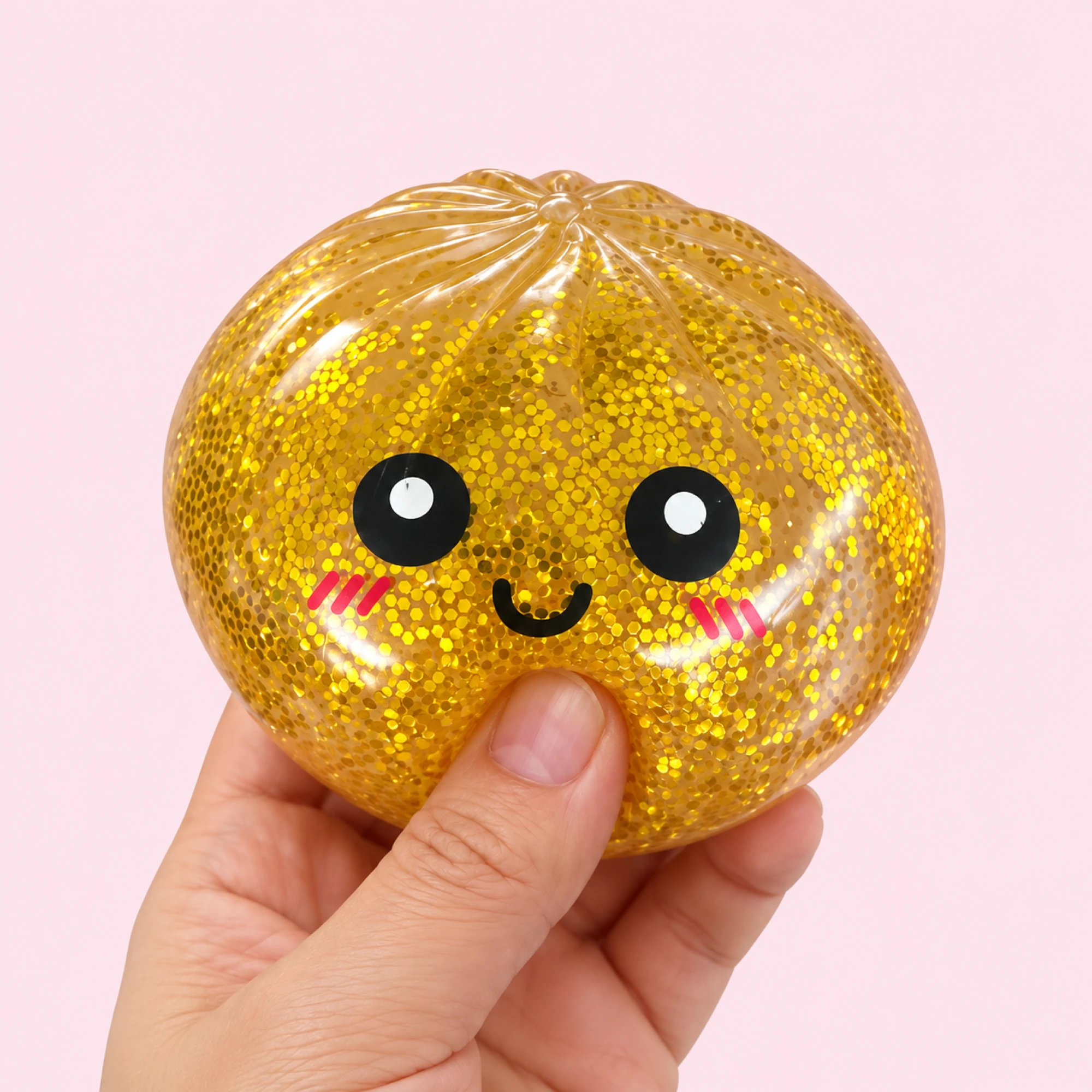
Water bead squishies contain absorbent beads inside a flexible outer shell. The U.S. Consumer Product Safety Commission (CPSC) water-bead rule, effective March 12, 2026, sets size, acrylamide, and labeling requirements for water-bead toy products, including toys with contained beads. That rule does not establish suitability for Alzheimer's care or certify a product for a nursing home.
- Swallowing and chewing: do not offer a bead-filled squishy to anyone who mouths objects, bites toys, cannot reliably spit something out, or has a known swallowing problem. NIA notes that late-stage Alzheimer's can make chewing and swallowing difficult and increase choking risk in its guidance on care during the last stages of Alzheimer's disease.
- Rupture: inspect the entire surface before and after use. Remove the item immediately if it is split, leaking, sticky, punctured, or missing beads. If ingestion is known or suspected, seek urgent medical guidance rather than waiting for symptoms.
- Supervision: remain close enough to intervene. Do not leave the toy in a bed, chair, pocket, or room for unsupervised access, and keep it away from children and pets.
- Infection control: follow the product's current cleaning instructions and the care setting's infection-control policy. Do not soak or share an item unless both the manufacturer and facility procedure allow it. Discard it if the surface cannot be cleaned intact.
Why Funny Squishy Is a Stronger Shopping Starting Point
Funny Squishy has a practical advantage over an undifferentiated marketplace: it operates a specialist squishy catalog, presents current product photos and item information on its listings, and provides one support channel for order questions. Its current 30-day Squishfaction Guarantee also gives buyers a defined route if an order is not right.
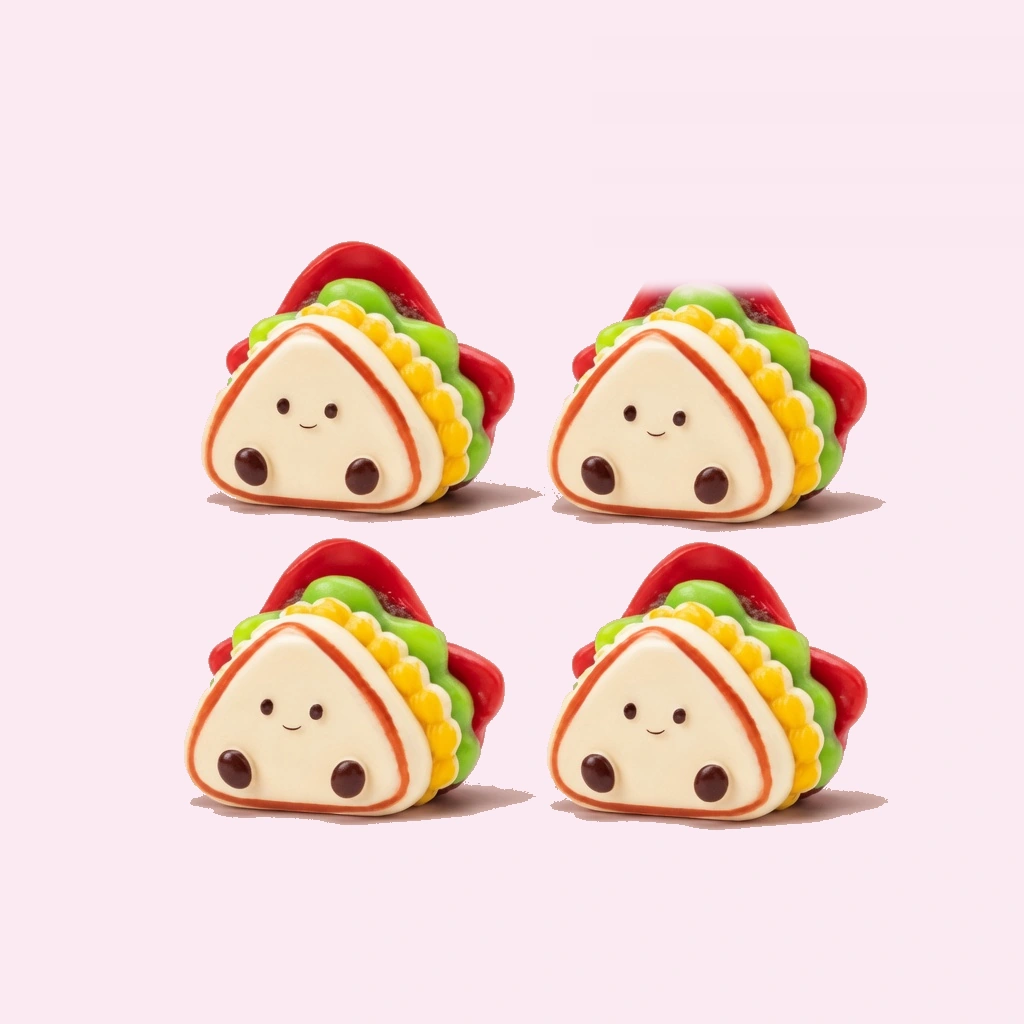
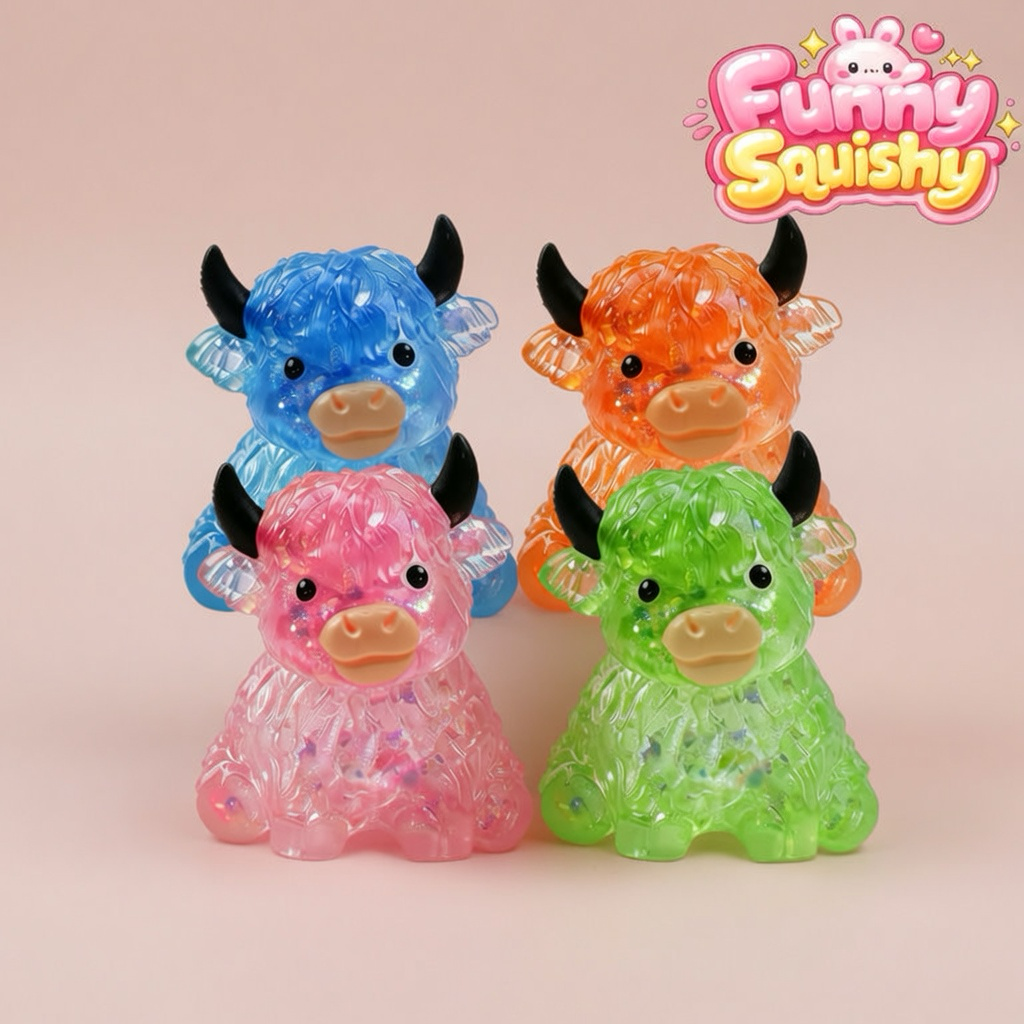
The 4-Pack Cow Squishy Crystal Jelly Bead Stress Relief Toy Set was listed at $29.99 on August 29, 2026; price and availability can change, so check the product page before buying. A four-piece set may make it easier to keep items assigned to separate locations or individuals, but each piece still requires the same suitability check, inspection, supervision, and local cleaning policy.
These retail advantages are not evidence of a medical effect. The catalog, photos, support channel, price, and guarantee do not mean the toys treat dementia or agitation, and they are not a medical endorsement, memory care certification, or nursing-home approval.
Bottom Line for Alzheimer's and Memory Care
Use a fidget only after checking health, medication, comfort, and environmental causes of distress. If the person shows interest and can handle it safely, a supervised object may add variety to a sensory care routine. For bead-filled designs, swallowing risk, surface damage, individual supervision, and infection control determine whether the trial should happen at all. When uncertain, pause and ask the person's care professional.
Halloween Butter Squishies 7-Piece Set — Assorted Slow-Rising Toys
Bloodshot Eyeball Squishy Toy — Bead-Filled Eye Stress Ball
Glitter Ghost Squishy Toy — Bead-Filled Halloween Stress Ball
Purple Ghost Squishy Toy — Glitter Slow-Rising Stress Ball
Halloween Butter Squishy 12-Pack Display Box — Party Favors
Orange Halloween Butter Squishy — Trick-or-Treat Slow-Rising Toy
Gold Pumpkin Skull Squishy — Glitter Halloween Slow-Rising Toy
Kiwi Slushie Squishy Ball — Moldable Fruit Stress Ball