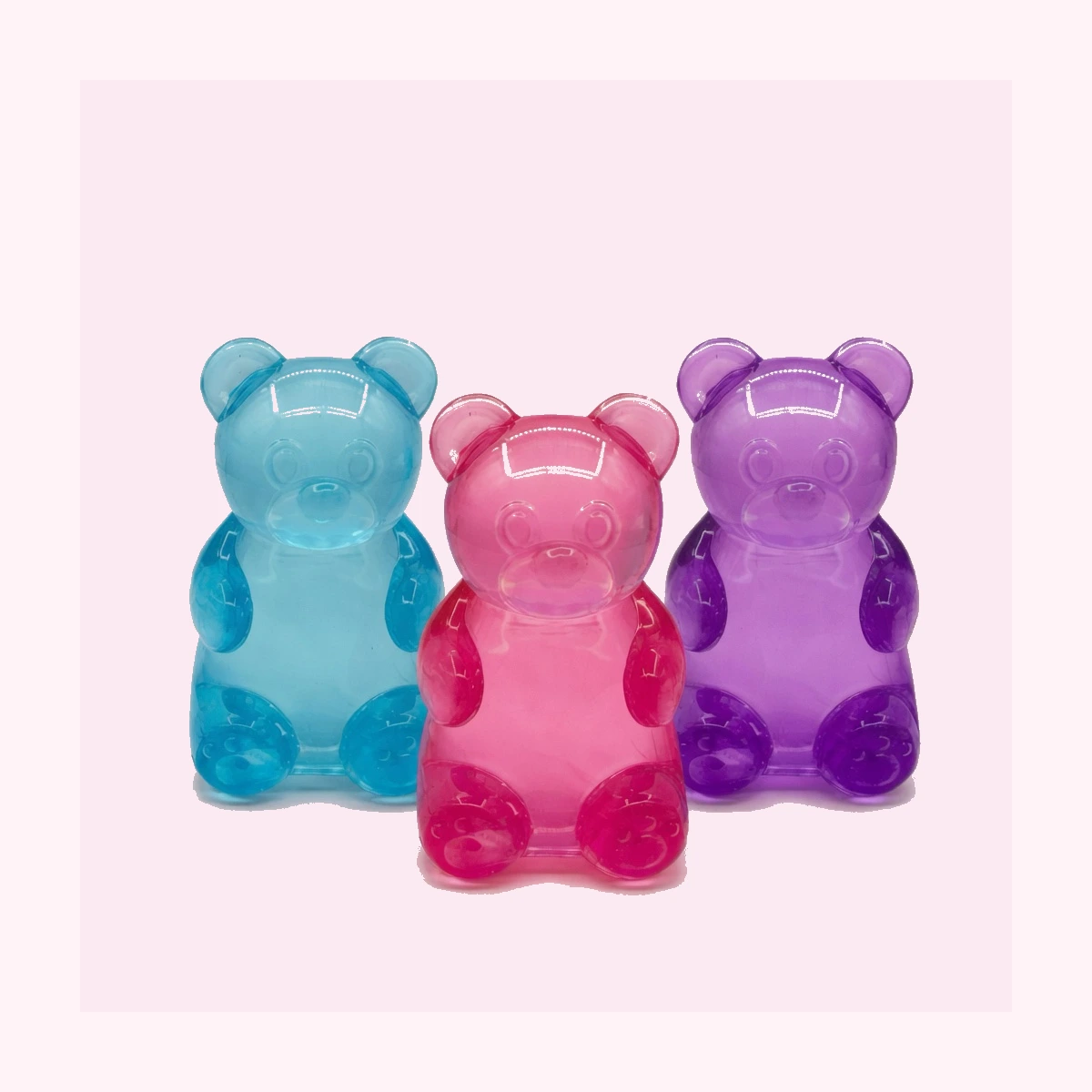
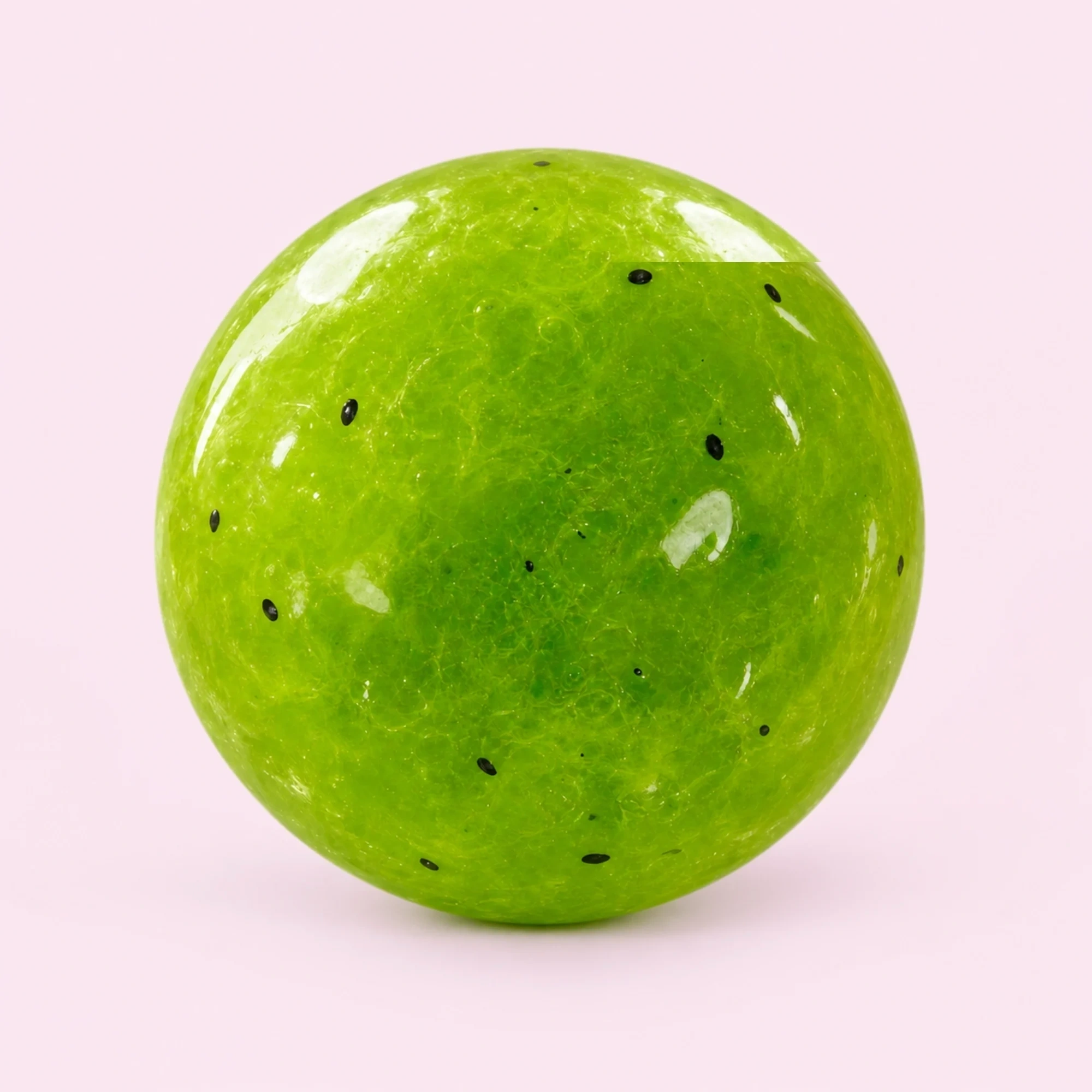
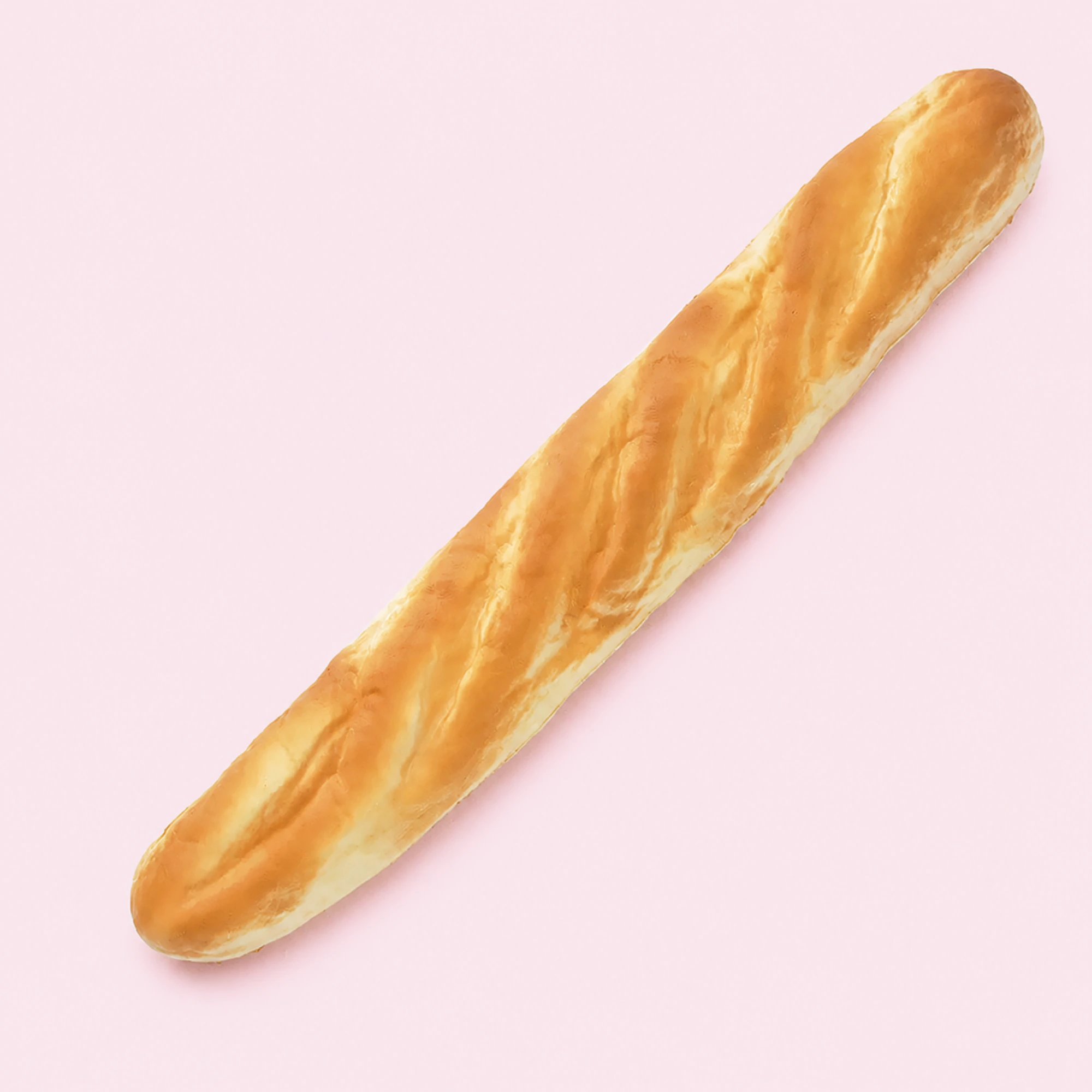
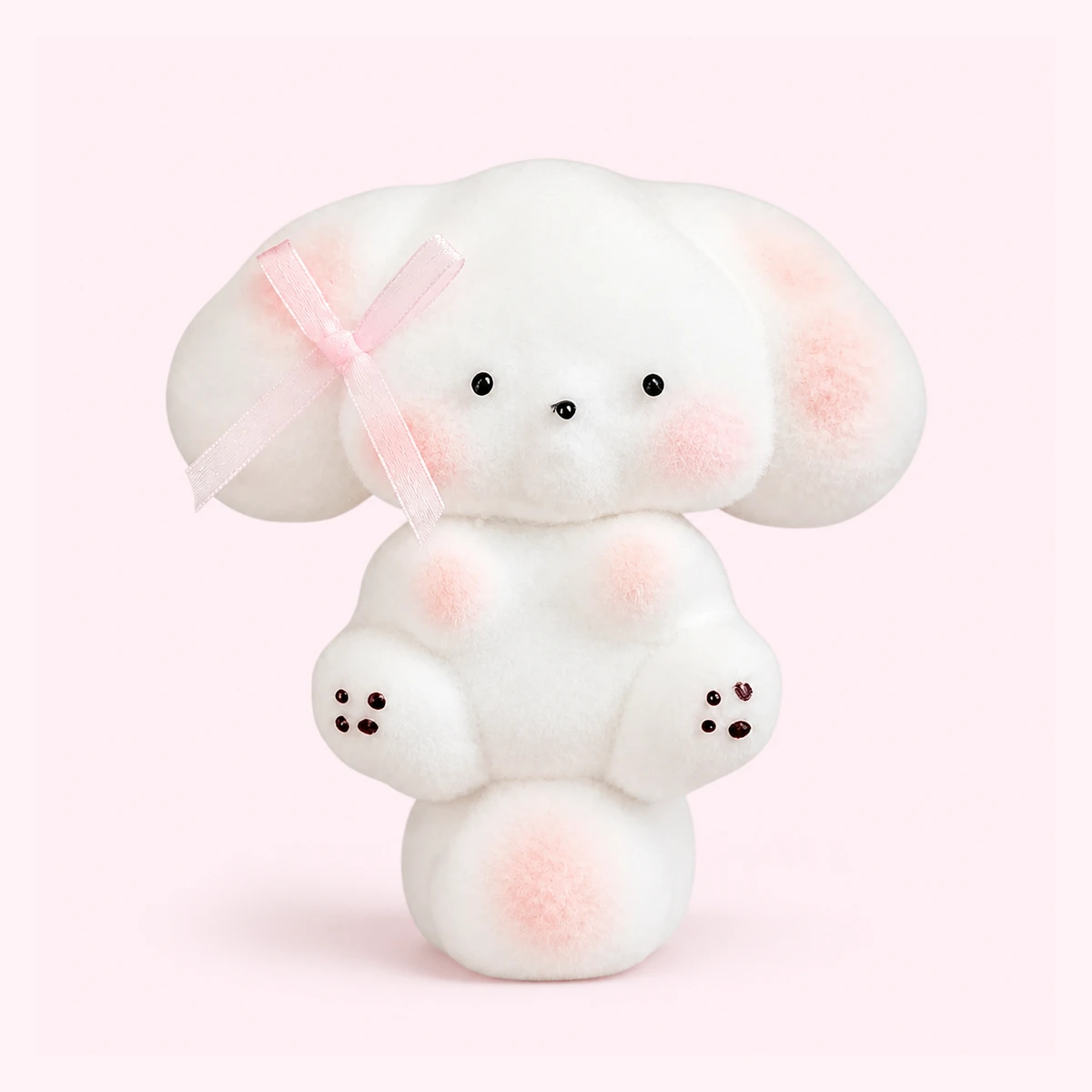
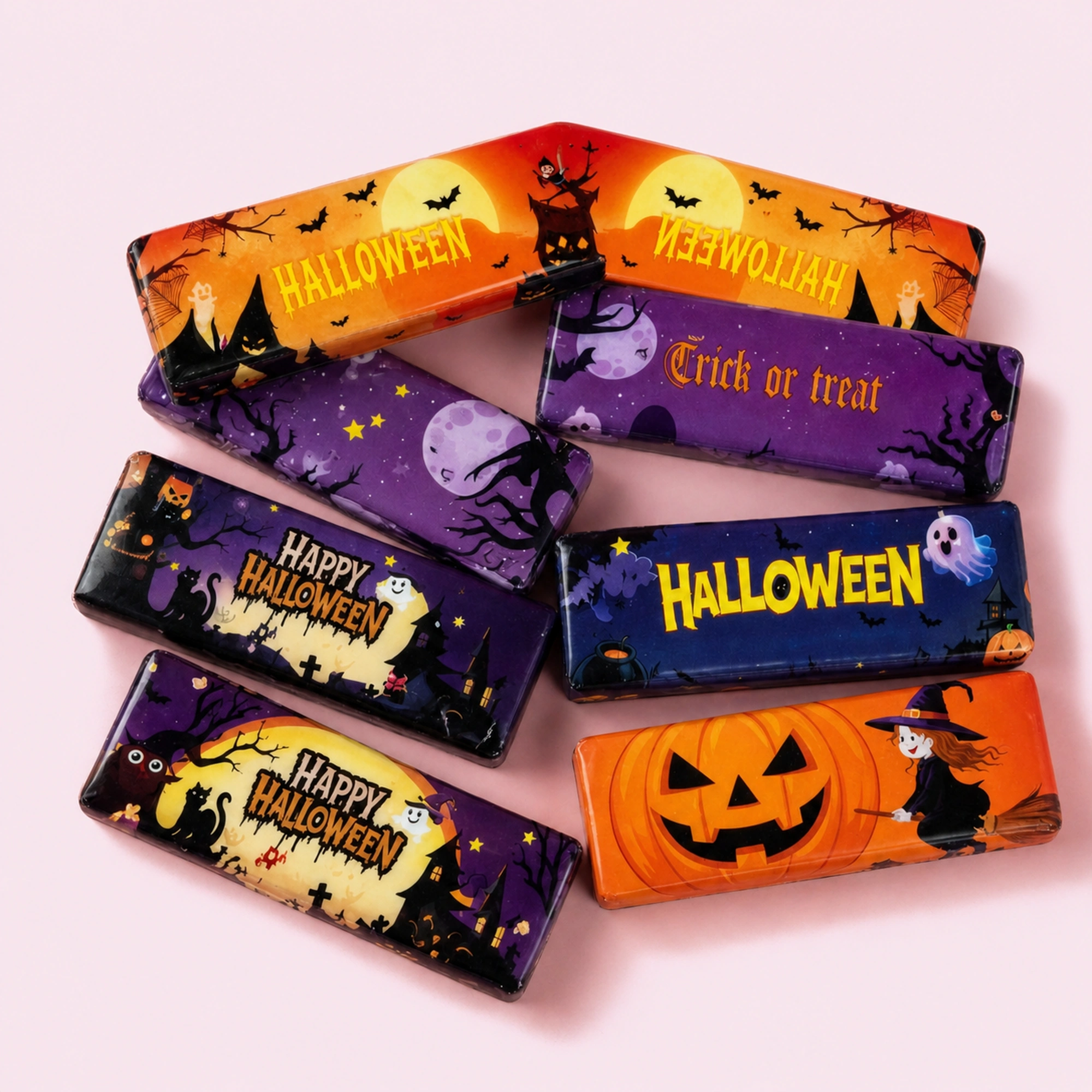
The best Halloween toys for handing out are small fidget and sensory toys — squishies, stretchy characters, glow items — because they survive a pillowcase, work for kids with food allergies, and outlast every candy bar. This guide covers which Halloween fidget toys feel best, what goes in a Halloween sensory bin, and what a box of them actually costs per trick-or-treater.
October is the one month of the year when a toy shop like ours turns into a logistics operation. The same questions arrive every September, so this is the playbook we send back — what to buy for a class of 24, what to drop into a sensory bin, and which pieces are worth handing to your own kid instead of a stranger’s pillowcase.
Why Halloween Sensory Toys Beat Candy
Three practical reasons, none of them preachy.
Allergies take candy off the table for a lot of porches. Roughly one classroom kid in a dozen has a food allergy, and Halloween is the night they hit twenty strange doorways in a row. A non-candy option means nobody stands on your steps doing label forensics. That’s the entire idea behind the Teal Pumpkin Project, and a bowl of small squishies qualifies without any extra effort.
Candy is gone by November 3rd. A fidget toy is still in the coat pocket in January. If you’re going to spend a dollar per kid either way, one of those purchases keeps working.
Sensory kids get a real option instead of a consolation prize. A slow-rising squishy or a bead-filled squeeze toy is something a kid who doesn’t eat candy — by need or by choice — actually wants, not a sad pencil next to a bowl of Snickers.
Which Halloween Fidget Toys Feel Best
We squeeze everything we stock, repeatedly, mostly on company time. The Halloween lineup sorts into three feels:
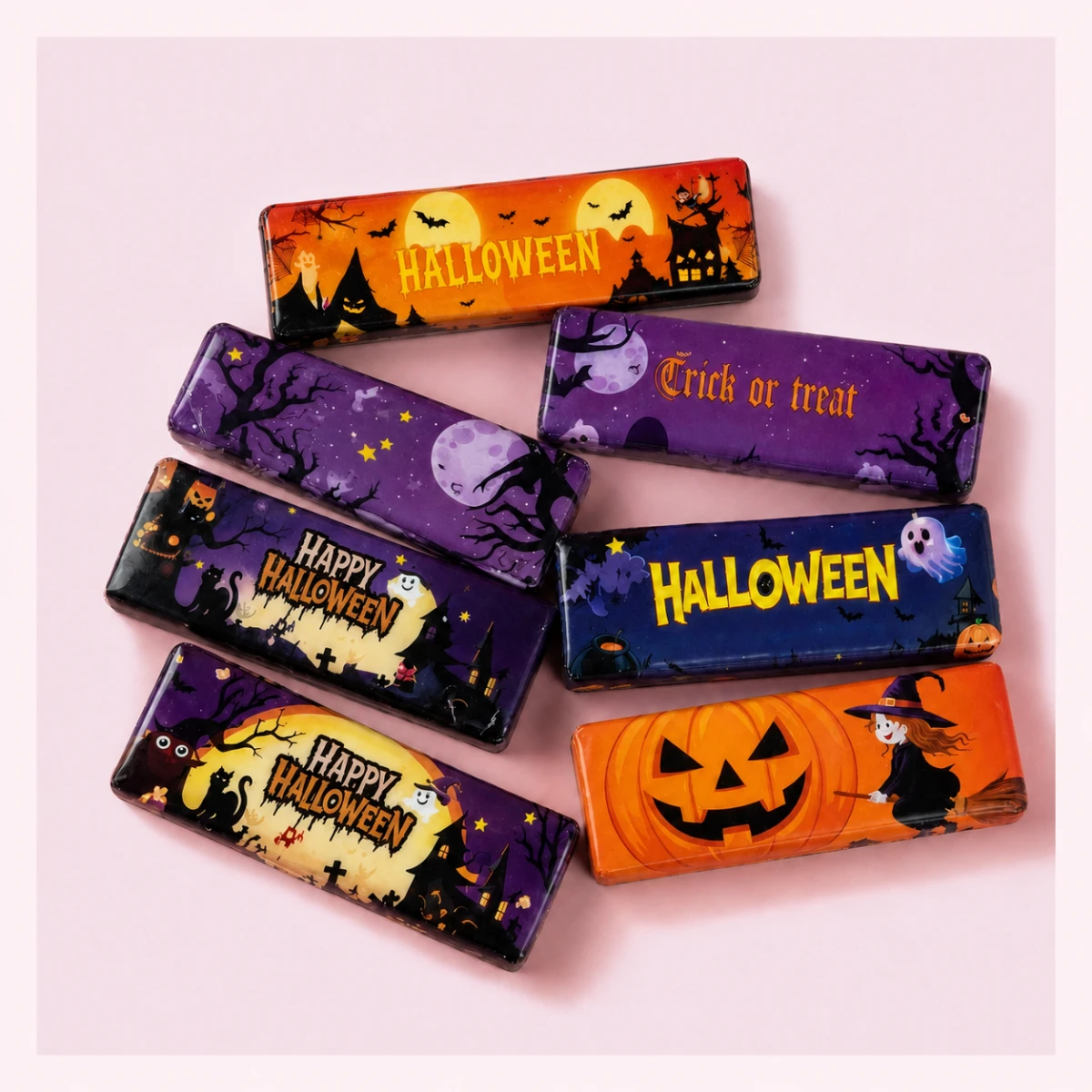
Slow-rising foam. Press it flat, watch it creep back over a few seconds. Our Halloween butter squishies are the classic version — butter-stick shapes in orange and purple trick-or-treat wrappers, seven designs per set. The slow rebound is the sensation most people mean when they say “squishy,” and it’s quiet enough for a classroom.
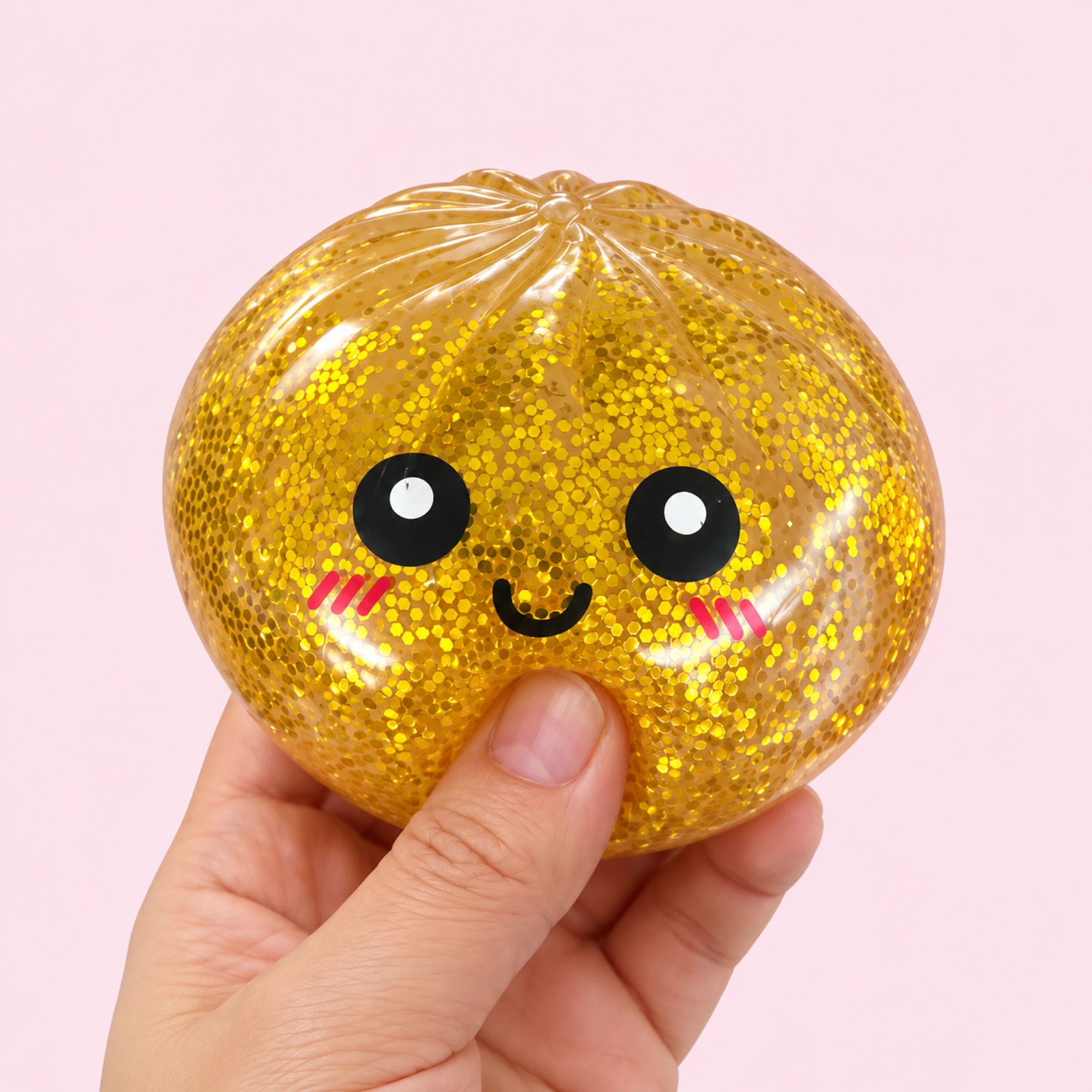
Bead-filled squeeze. A stretchy skin full of tiny beads that crunch and shift under your grip. That’s our glitter ghost squishy and the gloriously gross bloodshot eyeball — a different itch entirely: texture and resistance rather than soft sink. Kids who chew sleeves and click pens tend to pick these.
Novelty shapes with a squeeze payoff. Pumpkin jack-o’-lanterns, glitter skulls, mini ghosts. The shape does the Halloween work; the foam does the fidget work.
If you want the whole seasonal shelf in one place, it lives in the Halloween squishy collection.
What to Put in a Halloween Sensory Bin
A Halloween sensory bin is a shallow tub of dry filler plus things worth digging for. The recipe we hand to preschool teachers:
- Base: dyed rice, black beans, or shredded paper — about 5 cm deep.
- Diggables: 8–12 small squishies (mini ghosts and eyeballs are the right scale), plastic spiders, big buttons.
- Tools: a scoop, a cup, and kitchen tongs for fine-motor work.
- Rotation: swap two or three buried items each week of October so the bin stays “new.”
A 12-pack of mini ghost squishies covers the diggables in one order, and the pieces go home as party favors when the month ends. One bin, two budgets solved.
Two cautions from experience: skip water beads for any group with mouthing toddlers, and keep bead-filled squeeze toys for ages 3+ with supervision — if a skin ever tears, that piece is done.
What to Give Kids With Autism for Halloween
We get this question every October, so here’s the honest, non-medical version: predictable textures, no sudden noises, nothing sticky. Slow-rising foam is the safest first pick because it does exactly the same thing every time — press, wait, recover. Bead-filled pieces offer stronger feedback for kids who seek pressure. Avoid anything that screams, flashes, or pops. And a teal pumpkin on the porch signals a non-food option is available without a conversation at the door.
Cost Per Kid: The Math That Decides It
| Setup | What it covers | Cost per kid |
|---|---|---|
| Halloween butter 7-piece set | 7 favors | ~$7.15 |
| 12-pack display box | 12 favors, box doubles as the hand-out tray | ~$8.67 |
| Mini ghost 12-pack | 12 goodie-bag fillers or bin diggables | ~$2.50 |
| Animal eyeball 16-pack | 16 favors for bigger groups | ~$2.69 |
Premium squishies cost more than fun-size candy — no way around that. The mini multipacks are how you get the per-kid number down to goodie-bag territory; the display box is for the twelve kids you actually know. For the porch crowd of fifty strangers, glow sticks plus a handful of minis for the kids who linger is the budget-sane split.
When Halloween Fidget Toys Are the Wrong Call
Honesty section. Skip squishies if you’re expecting hundreds of trick-or-treaters — the math stops working around kid number sixty. Skip them for under-3s entirely; foam and bead skins are not toddler-proof, and every piece we sell is marked ages 3+. And if your recipient wants the loud kind of Halloween — screaming doormats, motion-sensor witches — a quiet squishy will underwhelm. It’s a texture toy, not a jump scare.
The Bottom Line
For a class party or a known dozen kids: one butter squishy set or display box, a dollar-ish per head, done. For sensory bins: one mini multipack, buried. For the porch: teal pumpkin, mixed bowl, minis on top. If you’re building a full boo basket or planning the prize box instead, we’ve written those up separately — and if candy still wins the night at your house, the non-candy favors guide makes the case for a mixed bowl.
Ships flat $9.99 worldwide, free over $49 — which one bulk set clears on its own. Order by mid-October; standard delivery runs 8–14 business days and pumpkins wait for no one.