


If your dog ate a squishy, don’t panic. Take away any remaining pieces, skip the home remedies, and call your vet with three details: your dog’s size, how much of the toy is missing, and when it happened. Most cases end fine, but swallowed foam can cause a blockage, so a quick phone call always beats waiting it out.
One thing before the checklist: this isn’t veterinary advice — it’s a calm, practical rundown from people who make squishies and know exactly how tempting they smell to a dog. Your vet knows your actual dog. When in doubt, call them first and read this second.
Right After Your Dog Ate a Squishy: The First 15 Minutes
Here’s the drill, in order:
- Confiscate the evidence. Pick up every remaining scrap and put it somewhere sealed. Dogs absolutely go back for seconds.
- Check the mouth. If a piece is sitting on the tongue or tucked into a cheek, take it out. Don’t go fishing down the throat — you can push a chunk deeper than it was.
- Do the missing-piece math. Lay out what’s left and compare it to what the toy used to be. A thumbnail-sized corner gone is a very different phone call than half a toy gone.
- Don’t induce vomiting on your own. Some swallowed objects cause more trouble coming back up than they did going down, and some dogs shouldn’t vomit at all. That decision belongs to a professional.
- Make the call. Your regular vet, the nearest emergency clinic, or a pet poison hotline. Have your dog’s weight, the timing, and the toy type ready — slow-rising foam and stretchy jelly rubber are different conversations.
Fifteen minutes of calm information-gathering does more good than an hour of panicked googling. Ask us how we know.
Warning Signs That Mean “Call Right Now”
A small piece in a big dog often passes without drama. The catch is that you can’t see what’s happening in there, so for the next few days you watch the outside signals instead:
| Sign | Why it matters |
|---|---|
| Repeated vomiting or retching | A piece may be stuck where the stomach empties |
| Straining, or no poop for a day or more | The classic blockage red flag |
| Bloated, tense, or painful belly | Needs same-day attention |
| Refusing food or water | Dogs that feel blocked usually stop eating |
| Sudden lethargy | Pain and nausea often just look like “tired” |
| Gagging, drooling, or pawing at the mouth | Something may be lodged higher up |
If any of these show up after a squishy snack, that’s a now call, not a Monday call. Trust the weird feeling in your gut — it’s usually reacting to the weird thing in theirs.
What the Squishy Was Made Of (and Why It Matters)
Most slow-rising squishies are polyurethane foam — the memory-foam-like material that squashes flat under your thumb and creeps back over a few seconds. The jelly-feeling, stretchy ones are typically TPR, a soft rubber. Here’s the part that matters: “non-toxic” means safe to handle, never safe to digest. Neither material breaks down in a stomach the way food does, so the main risk is mechanical — pieces bunching up where they shouldn’t — rather than chemical.
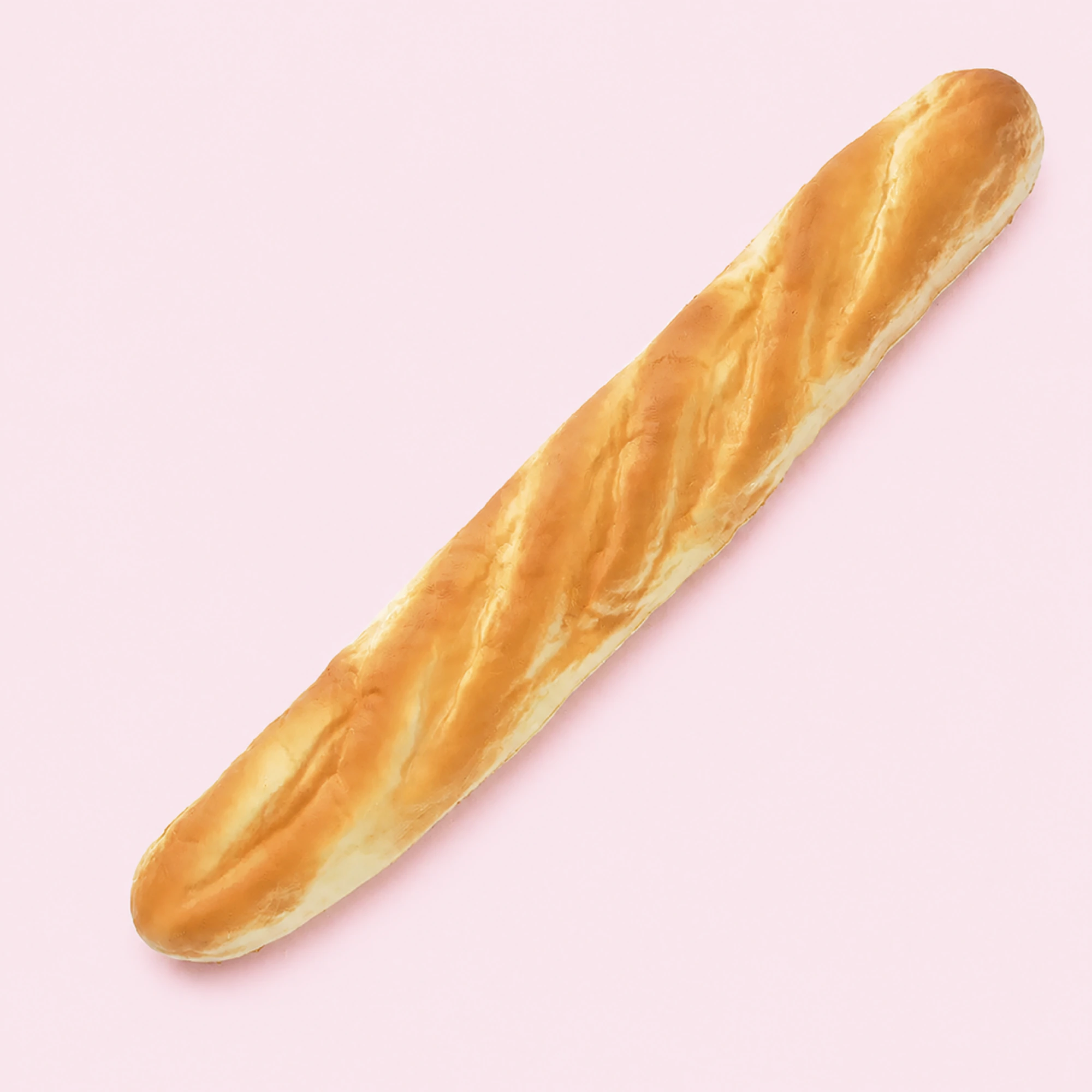
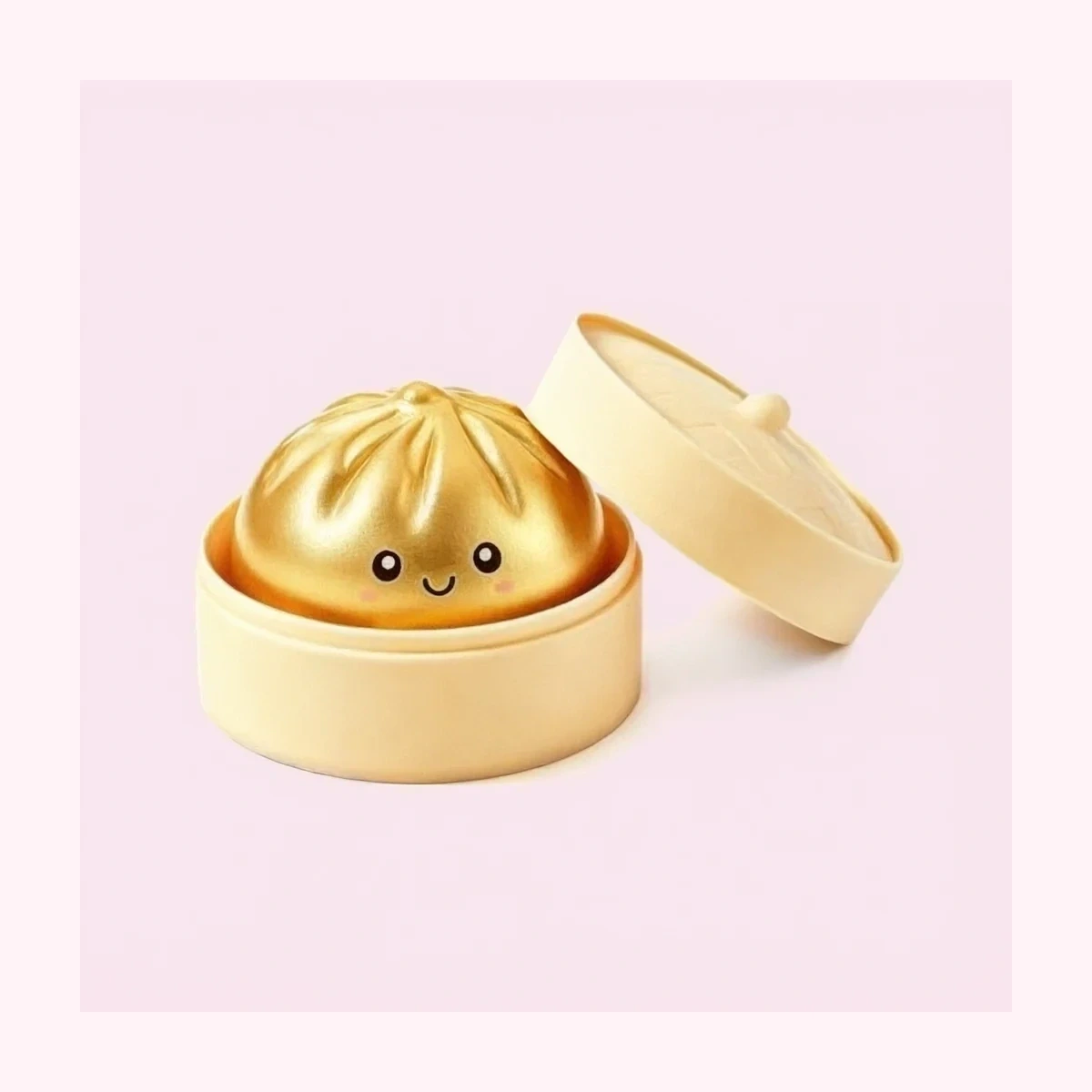
We’ve covered what squishies are actually made of and what happens when one breaks, and both posts land on the same theme: people-safe material, snack-unsafe pieces. Now add the dog factor. Many squishies are shaped like burgers, croissants, and butter, and plenty are lightly scented. From your dog’s point of view, you left a bakery item at nose height and then acted surprised.
Pet-Proofing So There’s No Round Two
The fix is boring, cheap, and it works: store squishies like snacks, not like decor.
- Lidded bin over open basket. A latching plastic bin defeats every nose in the house.
- Closed beats high. Counter-surfers and determined jumpers treat “up on a shelf” as a suggestion. A cabinet with a door actually ends the conversation.
- Double-seal the scented ones. Anything with a bakery smell goes in a zip bag inside the bin.
- Squeeze time is supervised time. Squishies come out when someone’s using them and go straight back after — the same rule kids follow, since these are toys for ages 3 and up.
And if the victim didn’t make it, retire it completely; a chewed squishy sheds crumbs forever and never rises right again. When you’re ready to restock, a bulk option like the Halloween Butter Squishy Assorted Set rebuilds the stash in one order, and the rest of the Halloween squishy collection is there for browsing — ideally while your dog watches from the floor with zero remorse.
FAQ
Will a small piece just pass on its own? Often yes, especially a tiny piece in a large dog — but “wait and watch” should be a vet’s instruction, not a guess. They’ll typically have you monitor appetite, energy, and poop for a couple of days and tell you exactly what would change the plan.
Should I make my dog throw up? Not on your own initiative. Vomiting can cause extra damage with some objects, and some breeds and health conditions make it risky, so it’s only done under professional direction.
Are squishies poisonous to dogs? Toy-grade foam and TPR are made to be handled safely, and poisoning is rarely the concern — obstruction is. That’s why the size of the missing piece matters more than the material it’s made of.
How do I stop this happening again? Sealed storage, supervised squeeze sessions, and a proper chew toy of your dog’s own so the urge has a legal outlet. It also helps to keep food-shaped squishies out of sight entirely; they look edible, and they are very much not.