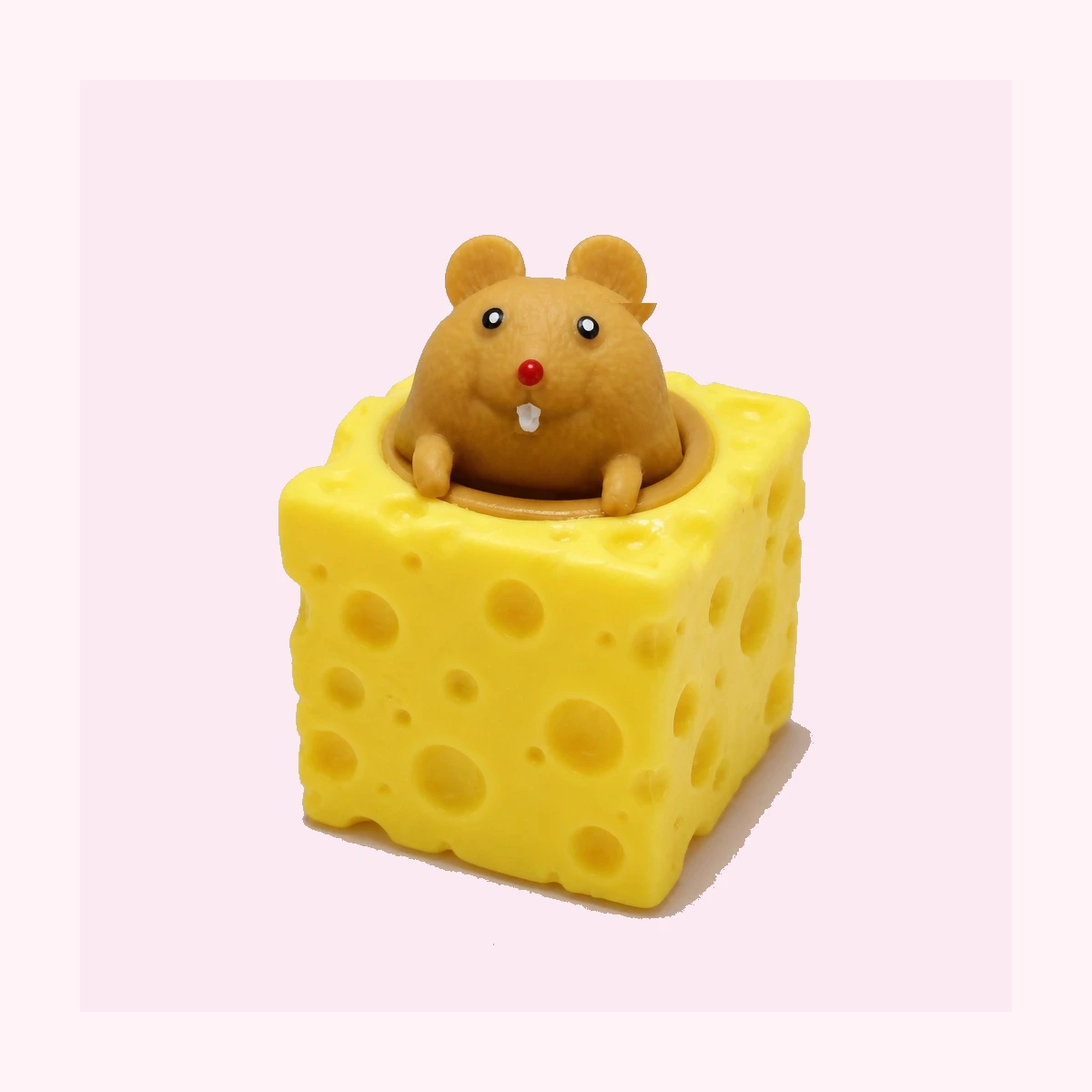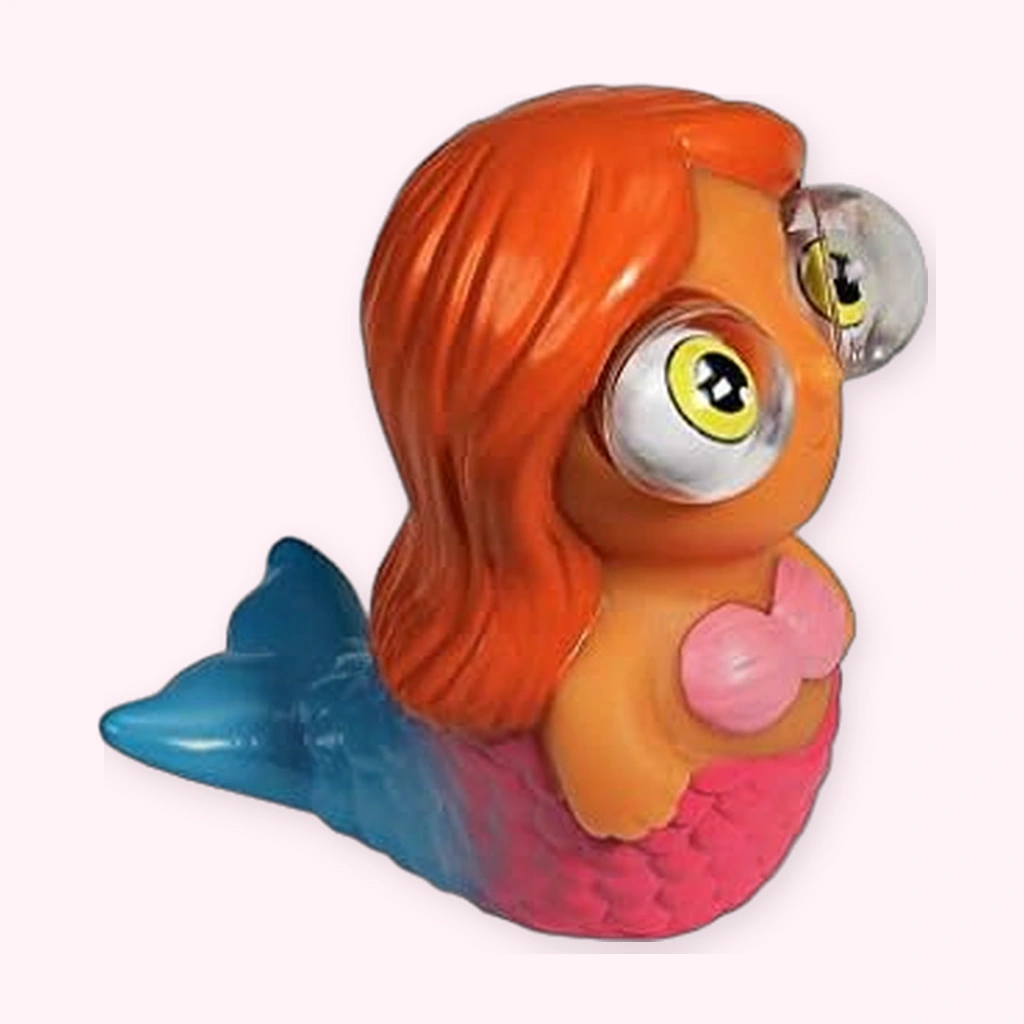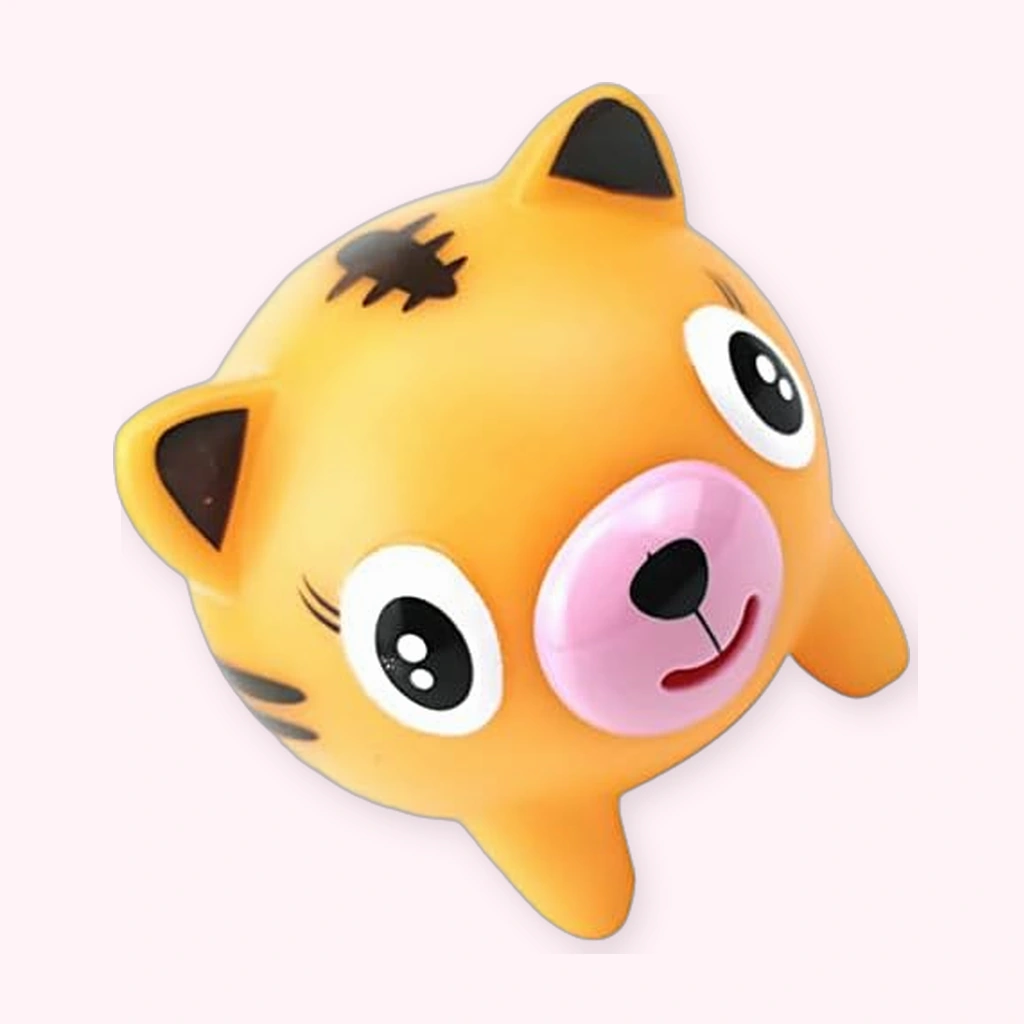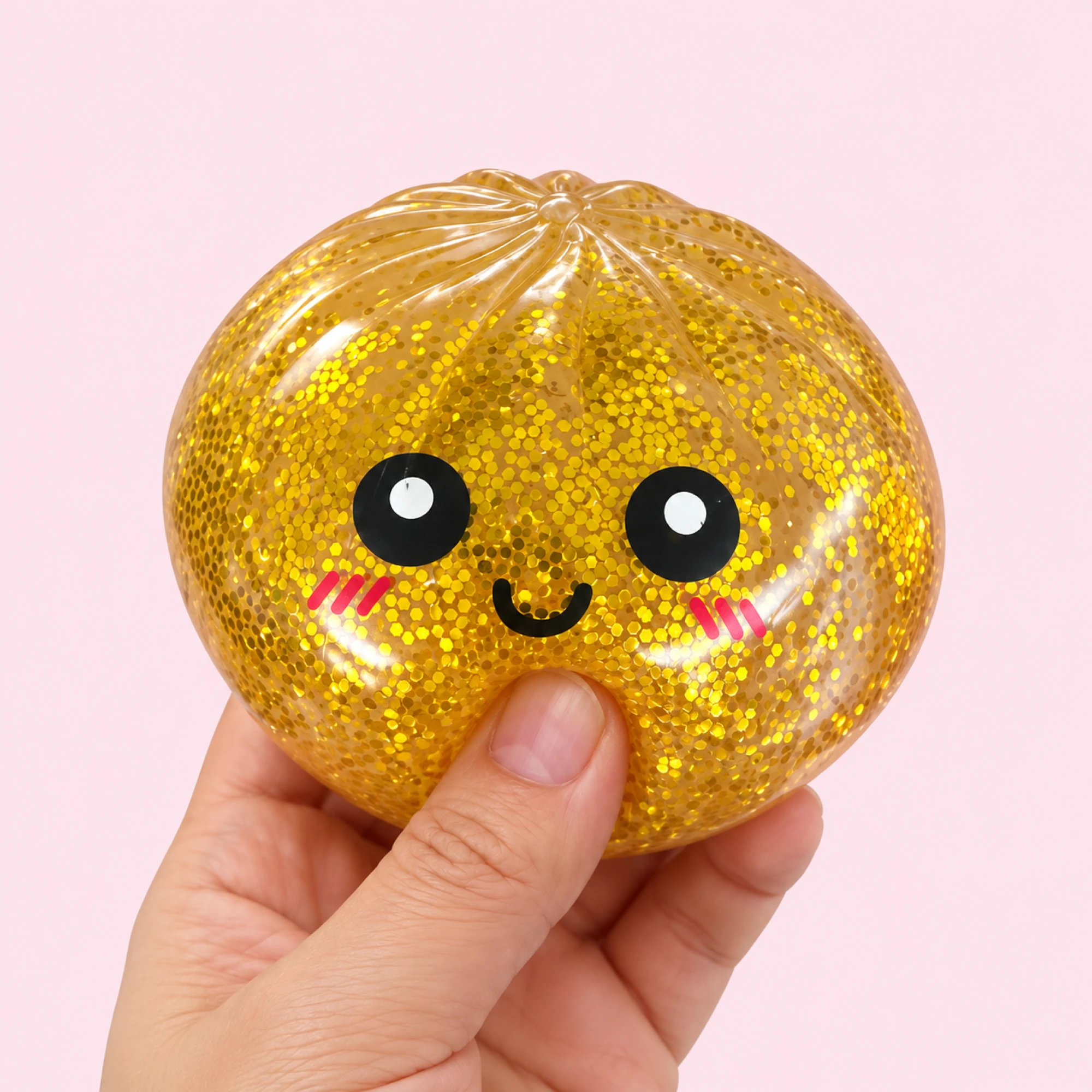



Pop-its calm you through rhythm and sound — a row of bubbles, a string of soft clicks, a loop your thumbs can run on autopilot. A pop it fidget toy is basically bubble wrap that reloads. Squishies work the opposite channel: slow, quiet, deep pressure into dense foam. Which one settles you depends on whether your nerves want noise and repetition or squeeze and release.
How a Pop It Fidget Toy Hooks Your Hands
A pop-it is a sheet of silicone bubbles. Push one and it inverts with a soft pop; finish the grid, flip the sheet, start again. That structure is the magic — there’s always a next bubble, always a countable rhythm, always a tiny reward per press.
The loop suits hands that want to stay in motion. It’s also social by design: two kids can race rows, and the sheet gets passed around a table like snacks. The sound is gentle but real, and it’s half the fun — which is exactly the problem in a silent room. A pop-it in a quiet office is a tiny drum solo nobody requested.
One more quirk: pop-it attention runs in waves. The grid format invites games, so the toy surges when a classroom discovers it, fades when the group moves on, then surges again with a new crowd. Its fate depends on having someone to play against.
What a Squishy Does Instead
A slow-rising squishy asks for one motion, done slowly. Fingers sink into dense foam, the foam resists mid-press, and then it re-inflates at its own pace while you watch. No sound, no grid to finish, no rhythm to keep — just compression and a slow return.
That firm, unhurried pressure is the calming mechanism. Slow deep input tends to read as settling to the body — the same general idea that makes weighted blankets popular — and the re-rise adds a built-in pause that drags your tempo down with it. It’s private, one-handed, and completely silent, which makes it the fidget for rooms where a pop would turn heads.
Texture matters more here than it does with pop-its, because pressure is the whole product. Airy foam collapses too easily and gives your hand nothing to negotiate with; dense butter-style foam meets you halfway through the press and makes the release feel earned. If a squishy ever underwhelmed you, odds are it was a density problem, not a category problem.
Sound vs Touch: The Real Trade-Off
| Pop-it | Slow-rising squishy | |
|---|---|---|
| Sound | Soft, repeated pops | None |
| Feedback | Rhythmic and countable | Deep pressure, slow release |
| Loop style | Fast rows with a reset | Slow single squeezes |
| Quiet-room friendly | Borderline | Completely |
| Built for sharing | Very | Not really |
| Zone-out potential | High, fast tempo | High, slow tempo |
Neither column is “better.” They’re two different exits off the same stress highway, and the popit vs squishy question is really about which exit your hands take naturally.
Who Should Grab Which
- Kids who fidget socially — pop-it. It’s a group activity disguised as a toy.
- Students and meeting-dwellers — squishy. Silence is survival; our guide to quiet fidget squishies for class and office goes deeper.
- Rhythm people (pen clickers, leg bouncers) — pop-it channels the beat instead of fighting it.
- Tension people (jaw clenchers, fist makers) — squishy. The deep squeeze meets the tension where it lives.
- Anxious evening scrollers — squishy on the couch arm. A pop-it at 11 p.m. is how you end up negotiating with your household. If stress is the main event, start with the best squishies for anxiety and stress relief.
Keep Both, Assign Jobs
Honestly, the cheapest peace treaty is owning both and giving each a post. The pop-it lives where noise is legal: the playroom, the car, the backpack. The squishy takes the quiet posts: desk, nightstand, meeting bag.
A sample routine that works in real households: pop-it in the car for the school run, squishy at the desk for homework or deep-work blocks, and whichever is closest for the phone-call pace-around. Nobody fights over toys when each one has home turf.
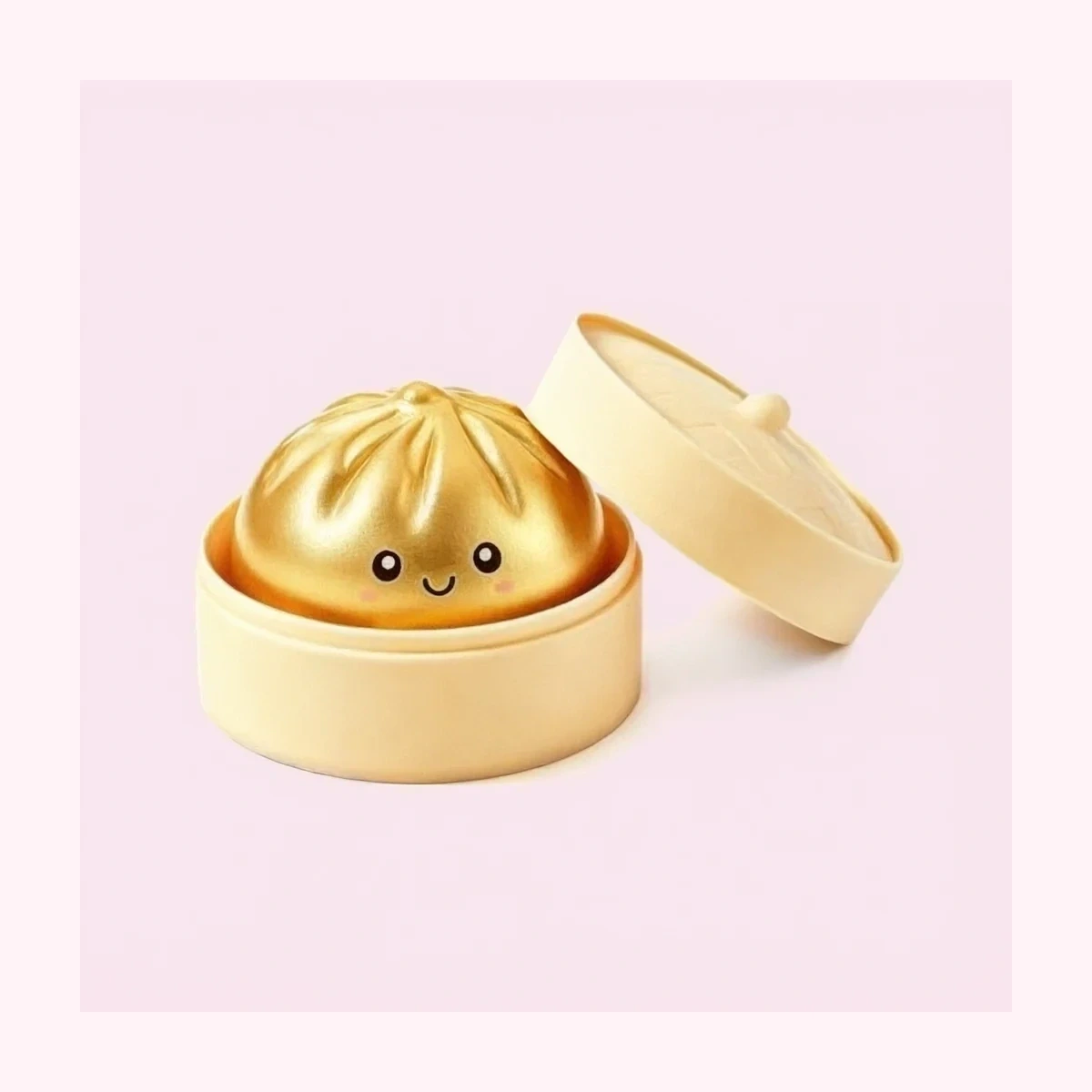
A pop-it fidget toy costs you nothing to place; the squishy side is easy to build too. The Halloween Butter Squishy assorted bulk set stocks several stations in one go, and the 12-pack display box covers classrooms and prize jars. For the wider tour of what’s out there, wander the squishies collection — and if you’re weighing more contenders than these two, our stress toy showdown ranks the whole field.
FAQ
Is a pop-it or a squishy better for anxiety? It depends on which channel soothes you. Restless, rhythmic energy tends to do well with a pop-it’s loop; wound-up, clenched energy usually responds to a squishy’s slow pressure. Try both for a week and your hands will vote.
Are pop-its too loud for school? In silent work time, usually yes — the pops carry further than kids expect. A soft squishy delivers the fidget without the soundtrack, which keeps teachers neutral and desks drama-free.
Do squishies last as long as pop-its? Silicone pop-its typically win on lifespan since they tolerate washing and rough handling. A foam squishy gives you years if it stays clean, dry, and un-chewed — care is the price of that texture.
Which is better for adults at work? The squishy, almost by default. It’s silent, one-handed, and invisible below the desk, which is the entire job description for office fidgeting.
Pick by channel, not by hype: rhythm hands get the bubbles, pressure hands get the foam.