
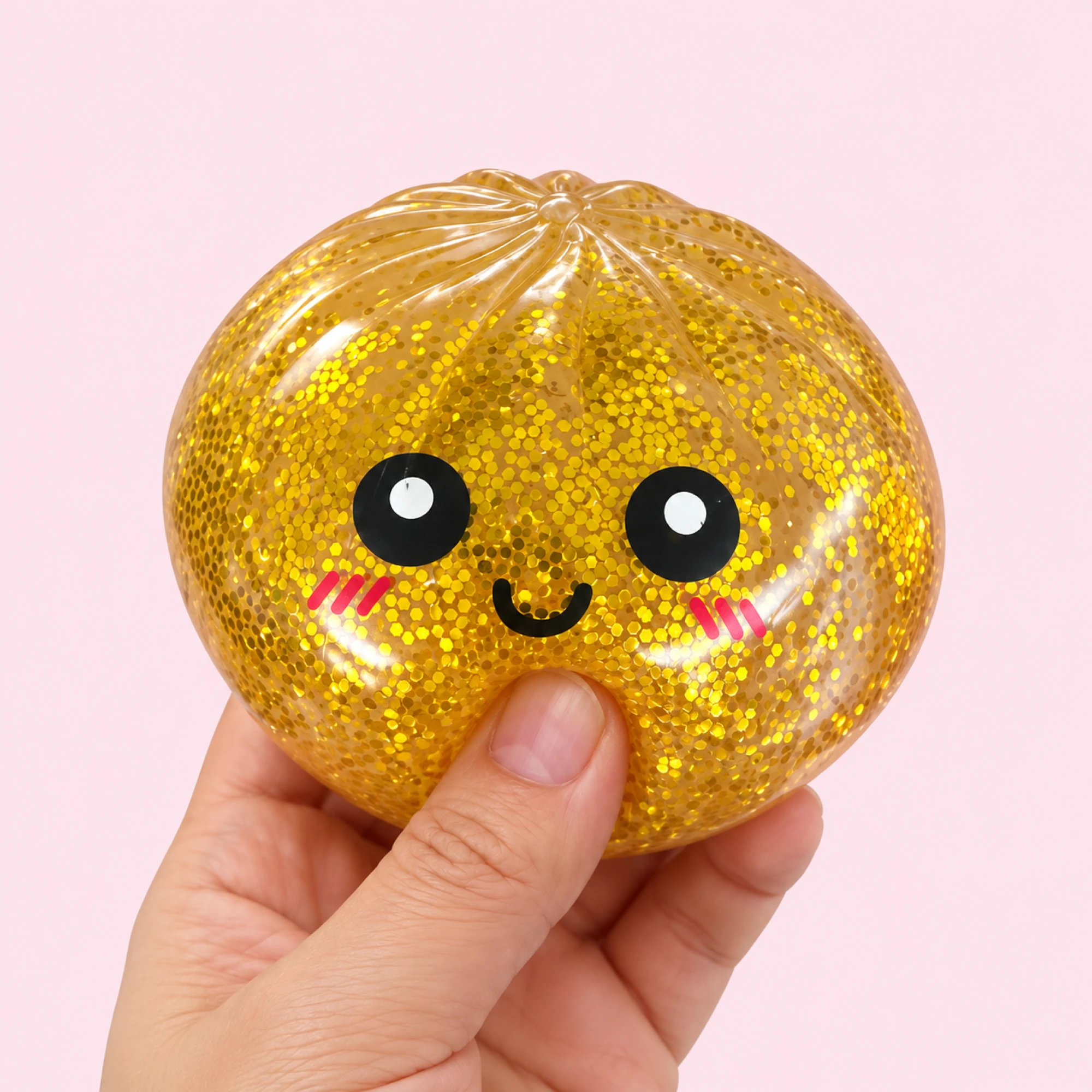


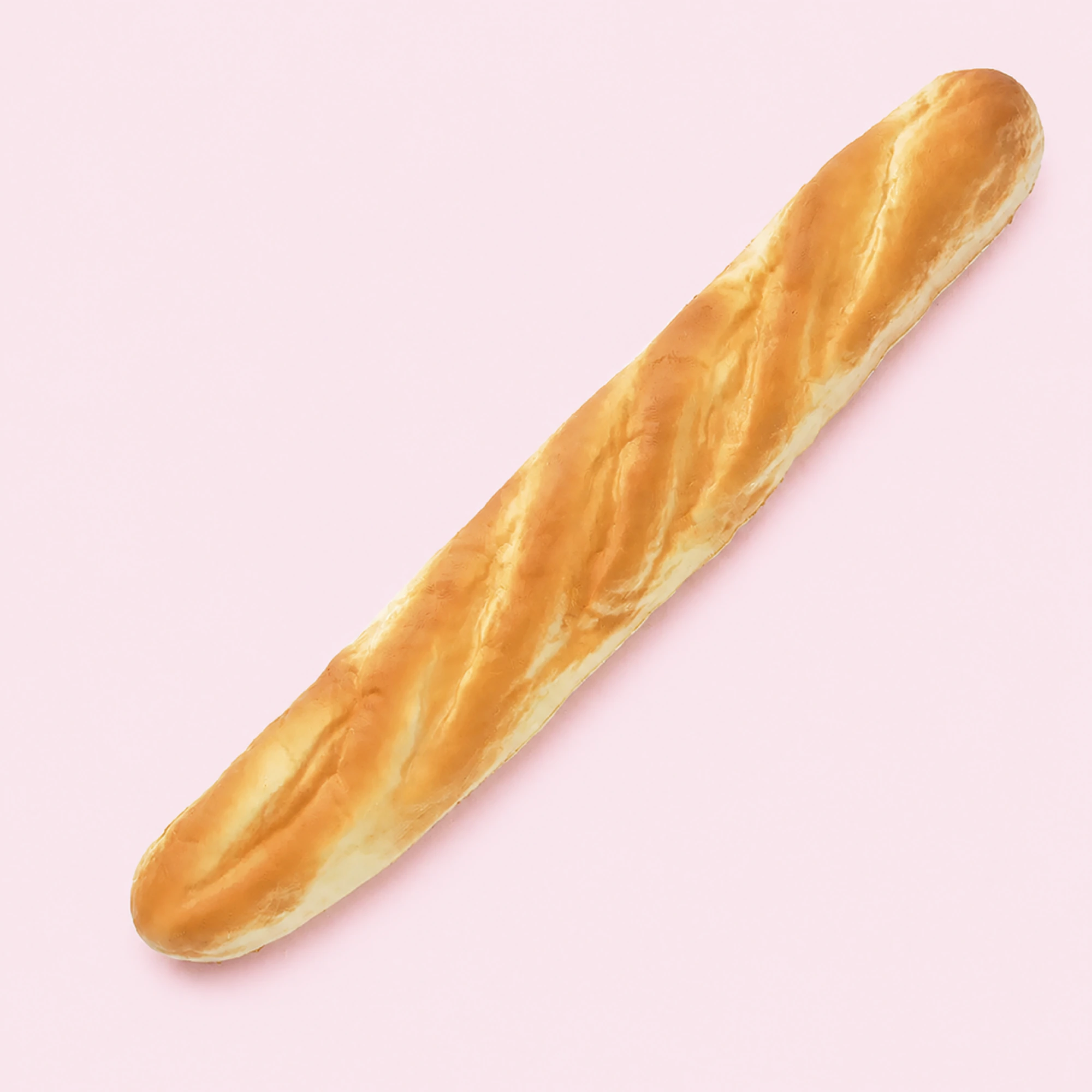
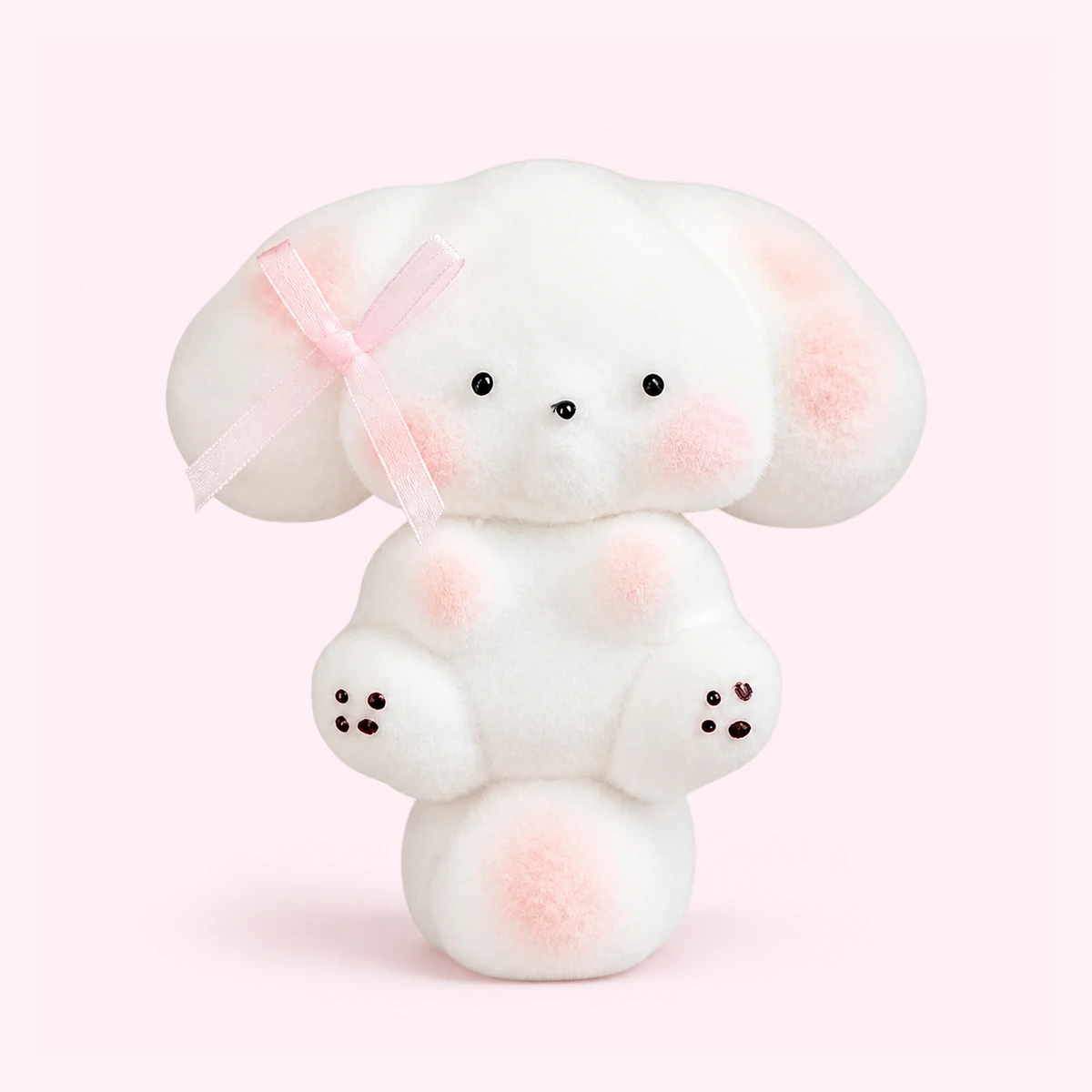
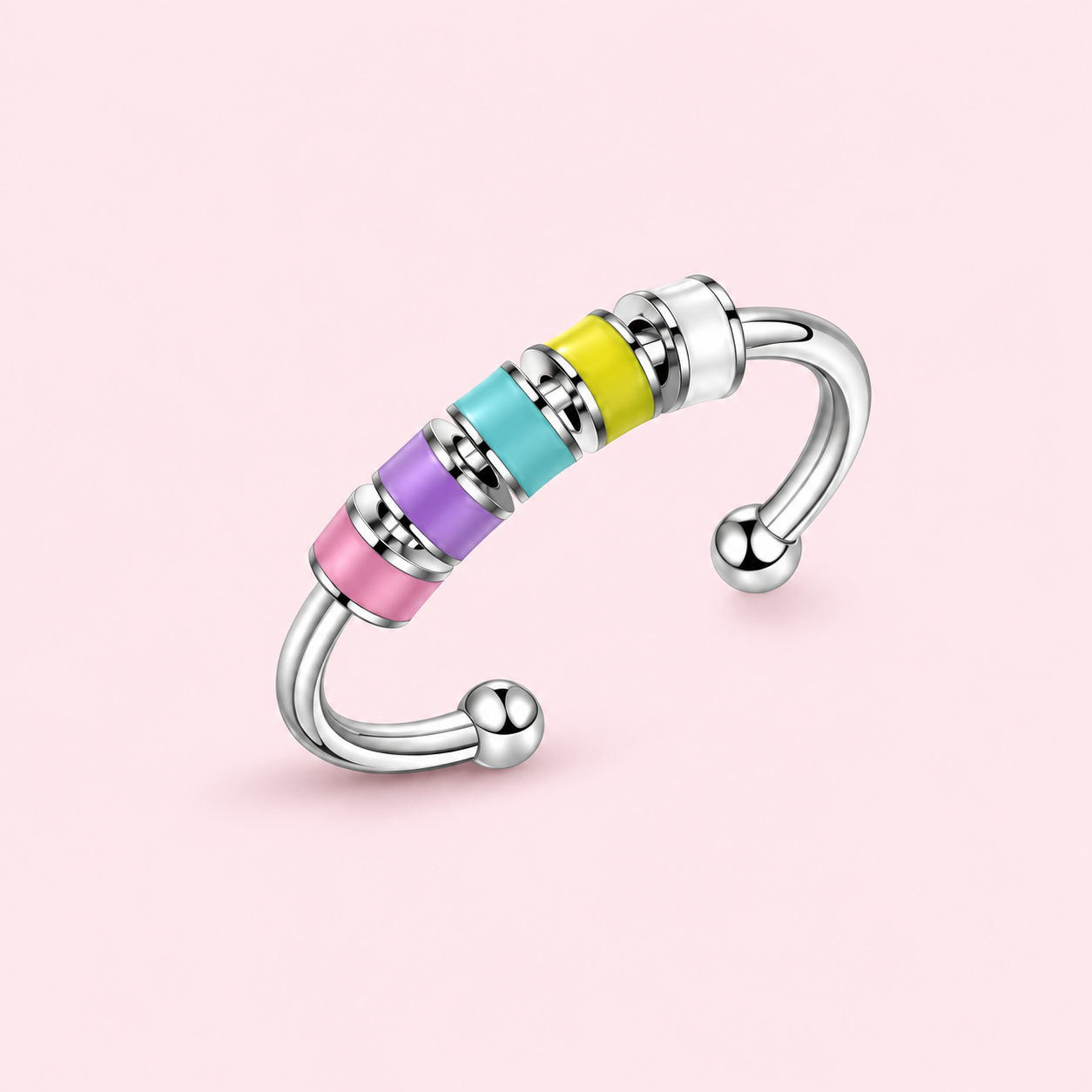

Short answer: yes on durability, yes on washability — with an asterisk on feel. A silicone fidget toy shrugs off years of squeezing, rinses clean in seconds, and won’t crumble in a backpack. But it snaps back instantly, and that slow, dense sink you get from a PU foam squishy is the one thing silicone can’t copy. Here’s the three-axis breakdown.
What Silicone Actually Is (and Isn’t)
Toy-grade silicone is a dense, stretchy rubber — the same broad family as kitchen spatulas and pop-it pads. Press it and it gives; release it and it’s back before your finger leaves. Many versions are marketed as food-grade or dishwasher-safe, and the surface tends to stay smooth and unsticky for years.
What silicone never does is rise slowly. There’s no open-cell foam structure inside, so there’s no air slowly seeping back in, no watchable re-inflate. That one difference ends up deciding most of this comparison.
Feel-wise, that makes silicone the sprinter of the fidget drawer: fast, springy, endlessly repeatable. Bubbles pop back, stretchy bands return to shape, textured pads spring under a thumbnail. It rewards quick, rhythmic hands — and it never asks you to wait, which is either its best feature or its biggest flaw depending on the mood you’re in.
Where a Silicone Fidget Toy Pulls Ahead
- Durability. Fingernails, teeth marks from the family dog’s near-miss, a month at the bottom of a school bag — silicone typically takes all of it and keeps its shape. Tearing takes real effort.
- Washability. Soap, warm water, done. Foam squishies hate soaking; silicone doesn’t care. For grubby-handed households this is the whole argument.
- Aging. Silicone tends to stay the same for years, while foam eventually stiffens or loses its bounce — we cover that lifecycle in how long squishies last.
- Sound. Mostly quiet. The exception is bubble-popping styles, which are soft but audible.
If your fidget’s life involves sandboxes, sinks, and being sat on, silicone sensory toys are the low-maintenance pick.
The Feel Axis: Where Slow Foam Wins
Here’s the asterisk. Squeeze a slow-rising squishy and your fingertips sink in, the dense foam resists in the middle of the press, and then — this is the good part — it re-inflates on its own schedule, slowly enough to watch. If silicone is a firm handshake, slow foam is memory foam for your fingers.
That unhurried return does real work. It builds a pause into every squeeze, a beat of nothing where your hands wait and your shoulders drop, roughly the same idea as a slow exhale. Cube-style foam shows it off well: the Fluid Swirl Cube squishy compresses like a stress block and takes its sweet time standing back up, and the Cheese Block squishy does the same in marbled-swirl form. No silicone toy on earth produces that specific dawdle.
Durability, Washability, Feel: The Scorecard
| Axis | Silicone | Slow-rising PU foam | TPR jelly |
|---|---|---|---|
| Durability | Excellent | Good with care | Good |
| Washing | Soap and water | Wipe only, never soak | Rinse and dry |
| Feel | Instant snap-back | Slow, dense sink | Cool, stretchy, jiggly |
| Sound | Quiet | Silent | Silent |
| Best at | Surviving kids and bags | Deep-pressure calm | Stretch-and-squish play |
Read the rows against your actual life, honestly. The axis you notice day-to-day is feel; the axis that decides whether a toy survives the year is washing.
Materials also carry the safety conversation — what each one is, how it smells, what “non-toxic” actually covers — and that gets its own full treatment in are squishies safe: TPR vs PU foam.
Picking Without Overthinking It
- Wash-everything household? Silicone. It’ll outlive the phase.
- Desk calm-down tool? Slow-rising foam. The pause is the product.
- Texture collector? Foam gives you the wildest shapes — start with the novelty squishy collection and branch out through the full squishies collection.
- Rough squeezer with strong nails? Silicone or TPR jelly, which forgives punishment better than foam does.
Mixed households can simply split the difference: silicone lives in the toy bin and the diaper bag, while the slow-rising foam stays on the desk and the nightstand, where hands are cleaner and the pace is slower. Travel tilts silicone too — a week crushed in a packed suitcase is a stress test foam doesn’t love.
One boundary for everything on this page: these are fidgets, not teethers. All our toys are for ages 3+, and if something is headed for a mouth on purpose, buy chew-rated gear instead.
FAQ
Can silicone fidget toys go in the dishwasher? Many are marketed that way, but care instructions vary by toy, so check yours. Warm soapy water works on all of them regardless — and foam squishies, for the record, get a wipe with a damp cloth and nothing more.
Which lasts longer, silicone or foam? Silicone typically wins on raw lifespan. A foam squishy still gives you years if you keep it clean, dry, and out of direct sun — the difference is that silicone forgives neglect and foam holds a grudge.
Do silicone toys feel as satisfying as slow-rising foam? Different channel entirely. Silicone rewards fast, springy, repetitive squeezing; foam rewards slow, deep presses with a watchable recovery. Plenty of people keep one of each and use them for different moods.
Is one safer for kids? Both are fine for ages 3+ from a reputable seller. Silicone tolerates constant washing, which parents appreciate, but supervision rules are the same: no mouthing, and retire any toy that tears.
Durability and washability are silicone’s trophies. The slow sink is foam’s. Pick by which one your hands actually crave at 3 p.m.



