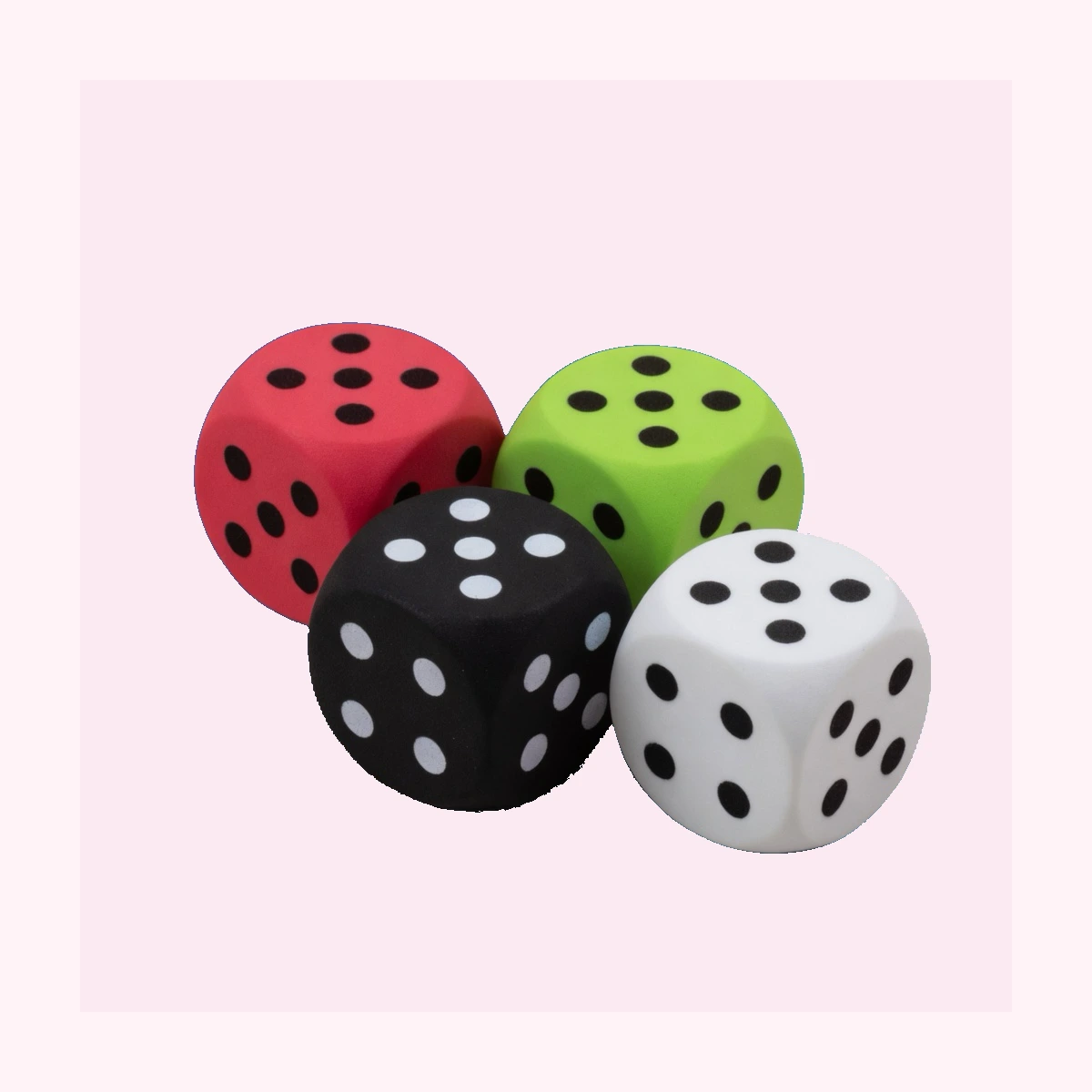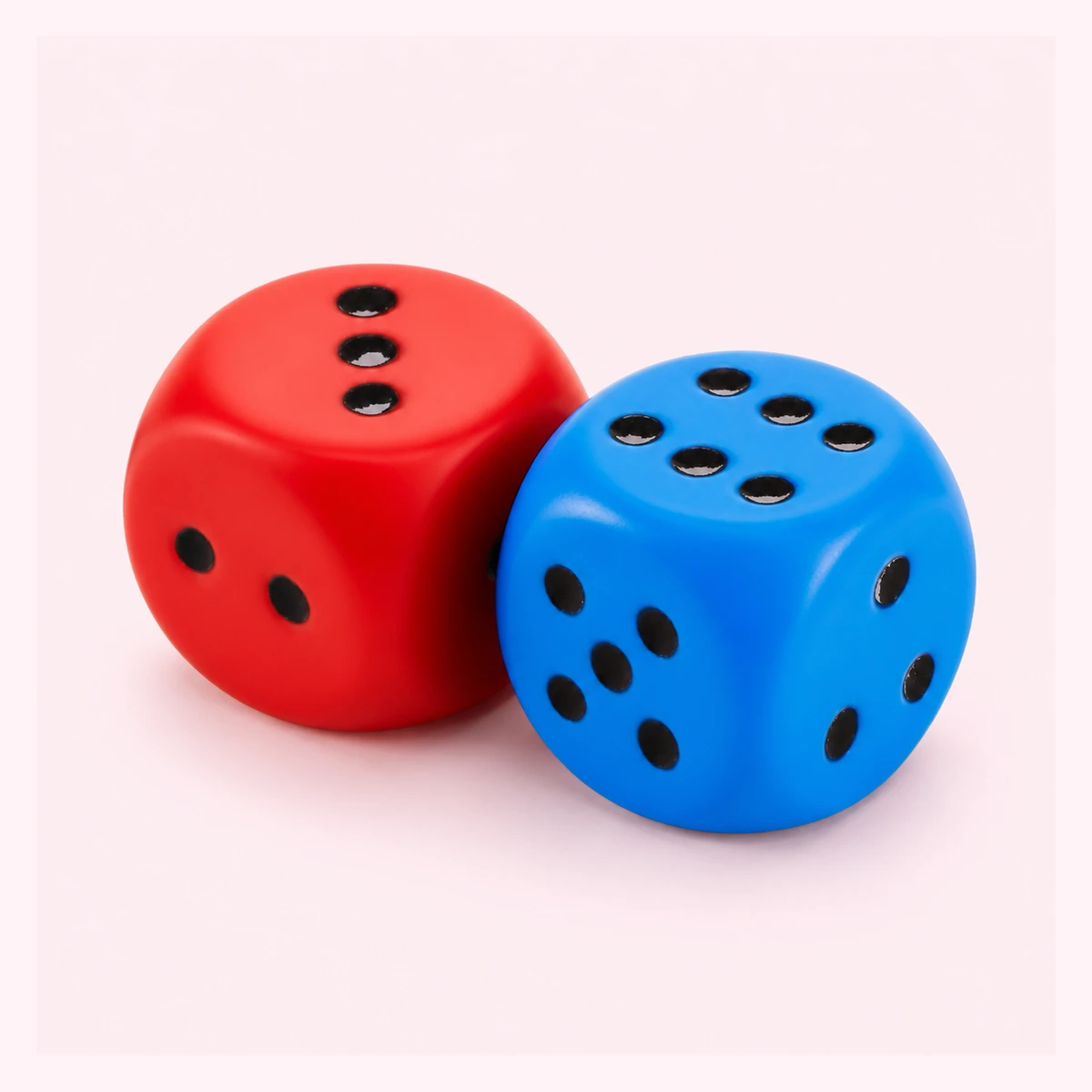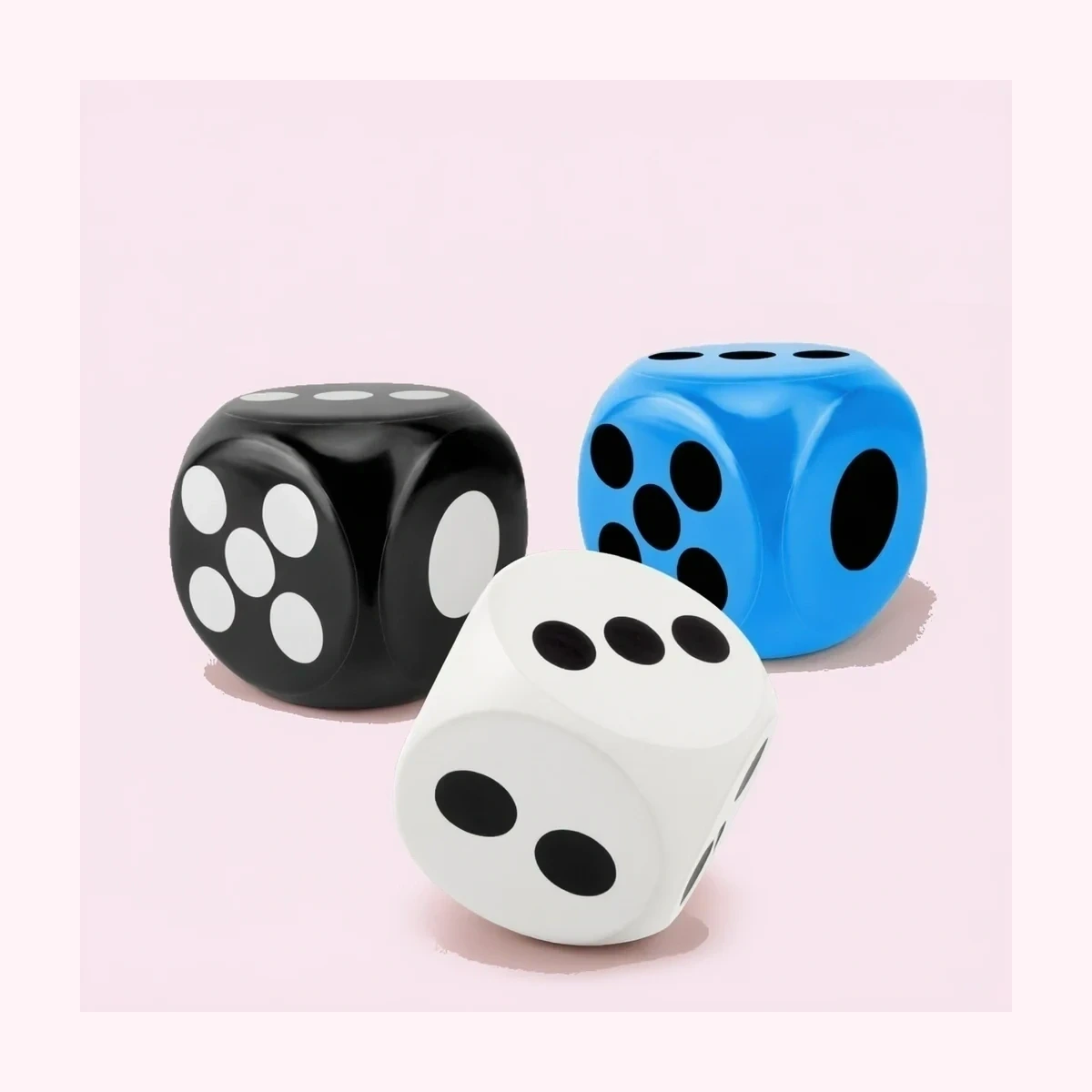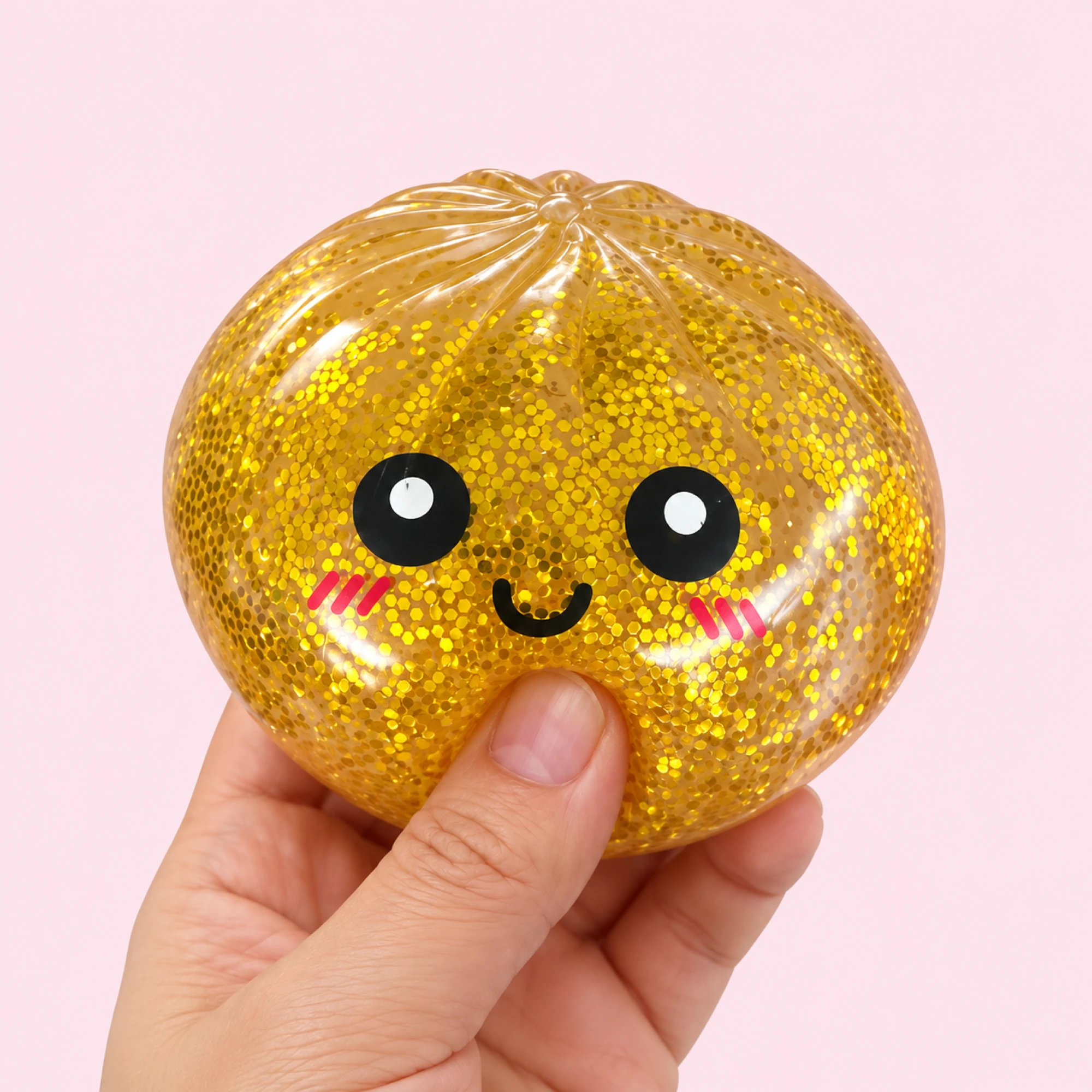


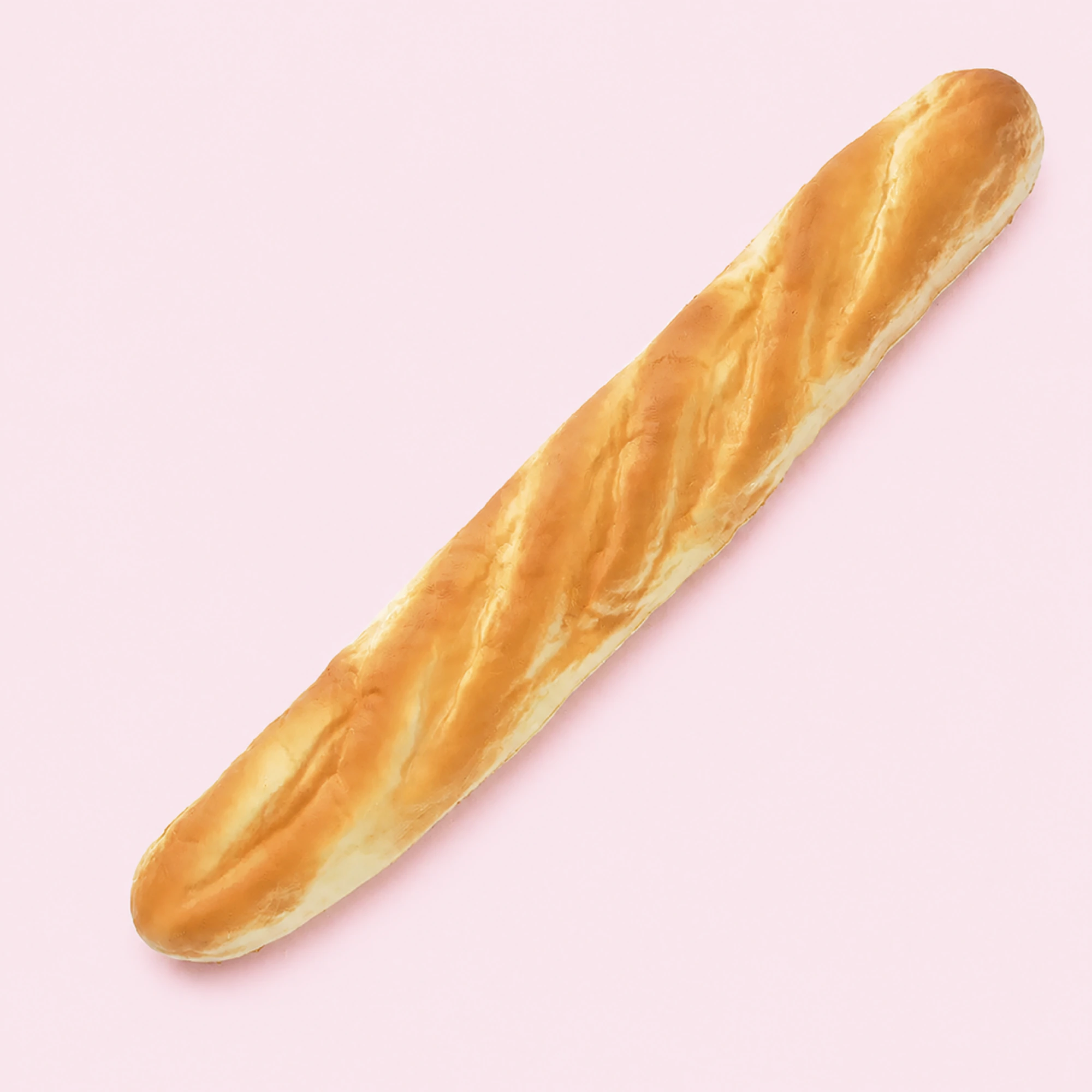
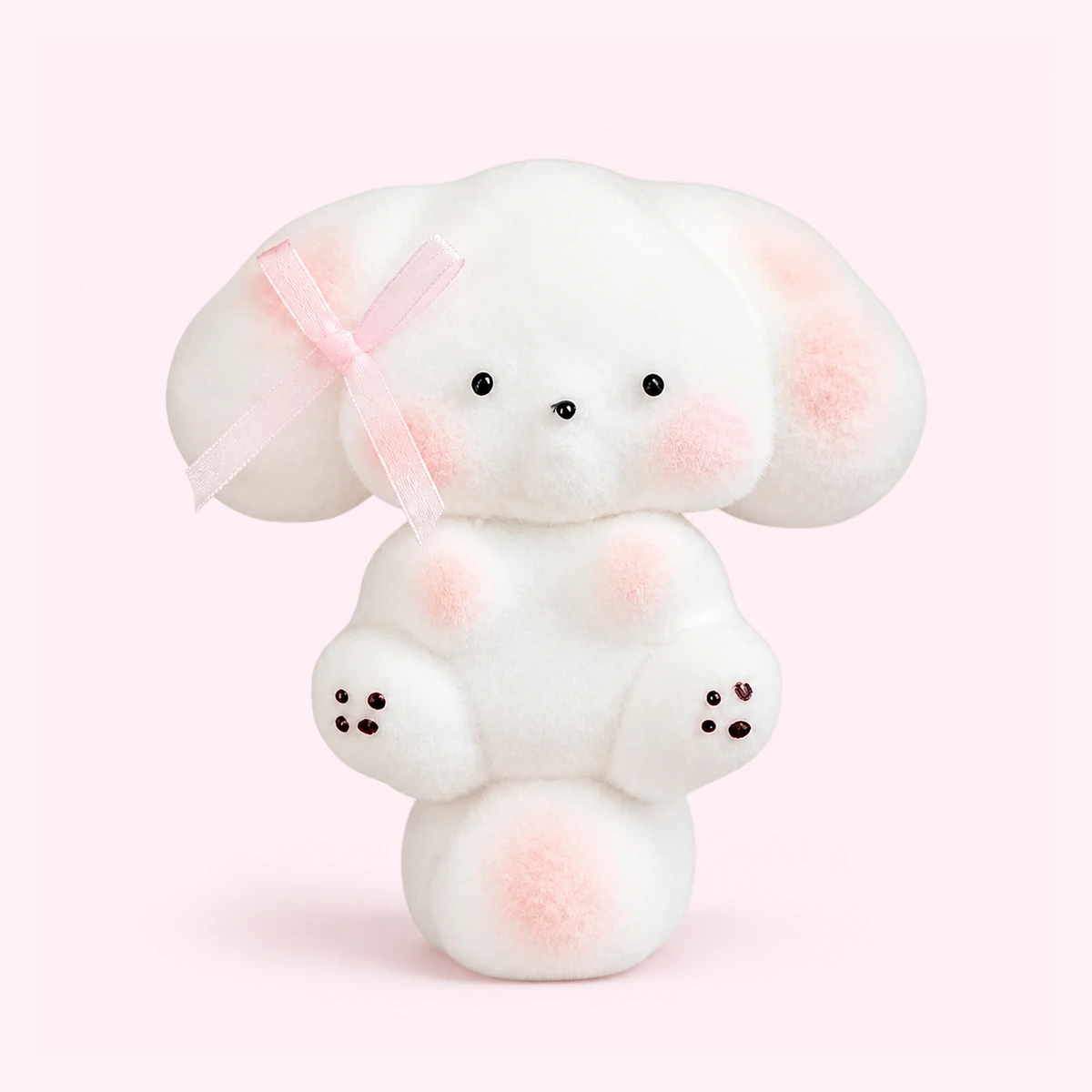
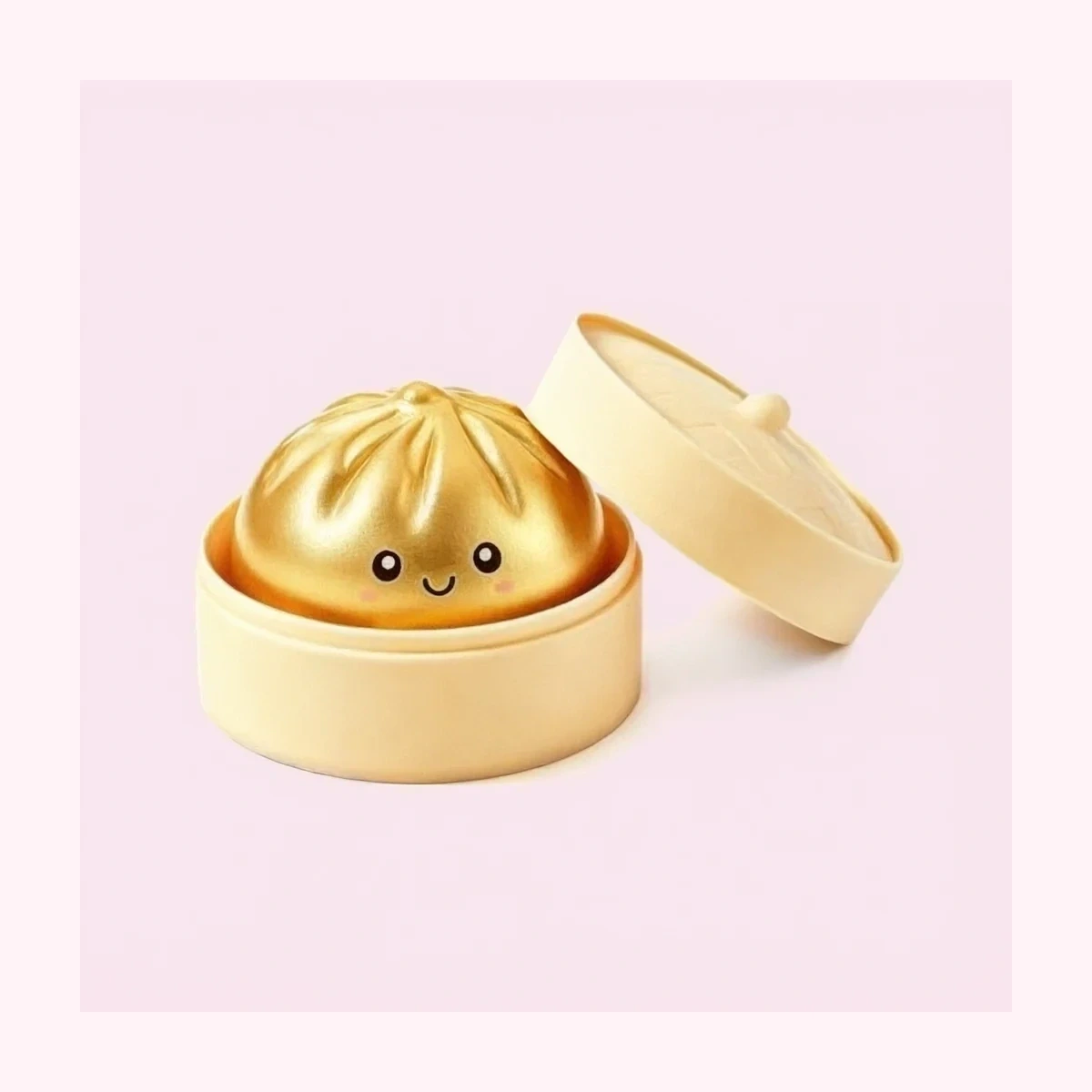
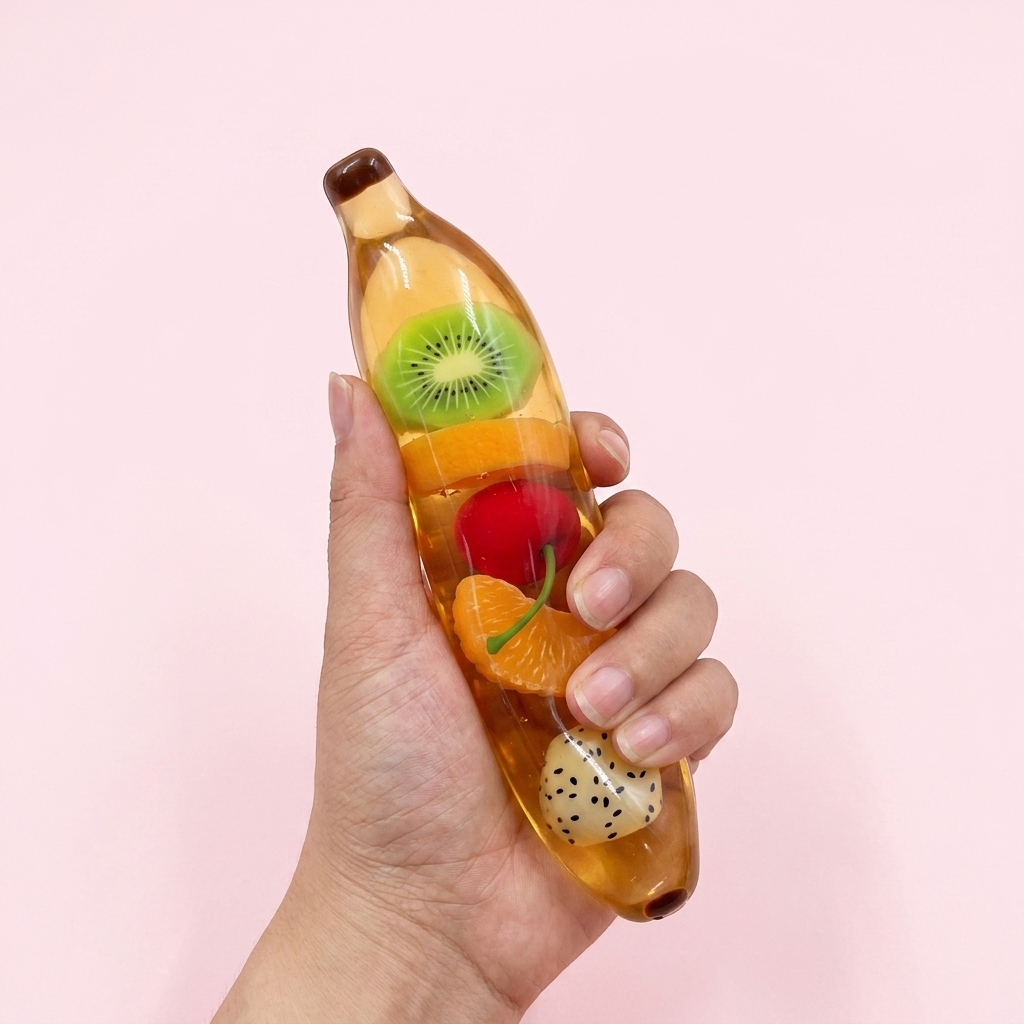

Most squishies are polyurethane (PU) foam — the soft, open-celled kind that re-inflates in slow motion after you crush it. The stretchy, jelly-like ones are TPR (thermoplastic rubber), and a smaller group is molded silicone. Which squishy foam or rubber you’re holding decides how it feels, how long it lasts, and how you should clean it.
Why PU Foam Slow-Rises
PU foam starts as two liquids that react and froth up like bread dough, setting into a sponge of tiny connected bubbles. “Connected” is the load-bearing word: the cells are open, so air can travel between them.
Crush the toy and you force that air out through thousands of tiny doorways. Let go, and two clocks start running. The polymer skeleton wants to spring back to shape, but it’s formulated to be viscoelastic — part spring, part honey — so it un-bends lazily. Meanwhile air has to filter back in through the same maze it left. Slow skeleton plus slow refill equals that hypnotic five-second rise.
Tuning the recipe changes the personality. Denser foam and slower polymers give the premium dead-slow rise; airier foam springs back fast. That whole spectrum is mapped in our slow rising vs fast rising guide, but the chemistry underneath is the same sandwich: open cells, lazy polymer.
TPR: The Stretch Specialist
TPR is not foam at all — it’s a solid, rubbery plastic that behaves like vulcanized rubber but molds like plastic. No cells, no air, no rise.
What it does instead is stretch and squash. TPR squishies — the jelly-looking animals, stretchy mochi types, and most liquid-filled toys’ outer shells — deform around your grip and snap back promptly. Squeeze one and it bulges; pull one and it elongates alarmingly and forgives you.
Because the surface is solid and often slightly tacky, TPR toys wipe clean easily and don’t absorb water, but they collect lint like it’s a hobby. The mochi category is the classic example — the mochi squishy guide covers that whole squad.
Where Silicone Fits In
Silicone squishy toys are the dense end of the spectrum: molded solid or nearly solid, heavier in the hand, with a smooth, matte skin. Many versions marketed as “silicone squishies” are firm-but-yielding squeeze toys rather than slow-risers — resistance is the product, not rise.
Silicone’s virtues are durability and indifference: heat, sunlight, and washing bother it far less than foam. Its tradeoff is that dense feel — some hands love the workout, some want the airy crush of foam. Neither is wrong; they’re different sports.
Foam Squishy vs. TPR vs. Silicone: The Cheat Sheet
| Trait | PU foam squishy | TPR squishy | Silicone squishy |
|---|---|---|---|
| Structure | Open-cell foam | Solid rubbery polymer | Dense molded rubber |
| Signature move | Slow rise | Stretch and jiggle | Firm resistance |
| Sound | Silent | Silent | Silent |
| Water | Absorbs — keep dry | Wipes clean | Washes easily |
| Weak spot | Tears, hardens with age | Lint magnet, can split at seams | Heavier, no slow rise |
Care follows material. Foam wants dry handling and gentle surface cleaning; if an older foam toy stiffens up, the hardened squishy revival guide covers what’s recoverable. TPR and silicone tolerate an actual wipe-down without drama.
The At-Home ID Test
No label? Your hands can run the lab work.
- The rise test. Crush it flat and release. A slow, visible re-inflation means open-cell PU foam. An instant snap-back with jiggle points to TPR or silicone.
- The stretch test. Gently pull. TPR elongates dramatically and returns. Foam barely stretches and tears if you insist — so insist gently. Silicone stretches a little, with firm pushback.
- The skin read. Foam feels dry, matte, faintly warm. TPR feels smooth, cool, slightly tacky. Silicone feels dense, velvety, and heavier than it looks.
- The press-and-hold. Push a thumbprint in and hold five seconds. Foam keeps a fading dent; TPR and silicone erase it immediately.
Material also drives the safety conversation — which plastics, which smells, what’s in the foam — and that gets its own full treatment in are squishies safe? TPR vs PU foam.
If you want to feel the reference-standard slow rise for calibration, a PU classic like the orange butter squishy is the textbook specimen, the assorted butter set covers a whole household of test subjects, and the squishies collection spans all three materials. Orders of $49 or more ship free worldwide, with a 30-Day Squishfaction Guarantee, and everything is rated 3+.
FAQ
What foam is used in slow-rising squishies? Soft, open-cell polyurethane foam formulated for slow rebound. The open cells let air escape and re-enter gradually, and the viscoelastic polymer un-bends on a delay — the combination is the slow rise.
Are squishies foam or rubber? Both exist. Slow-risers are PU foam; stretchy, jelly-feeling toys and most liquid-filled shells are TPR rubber; and a smaller group is dense molded silicone. The rise test tells you which one you’re holding in two seconds.
Is memory foam the same as squishy foam? Close relatives — both are viscoelastic open-cell PU. Toy foam is tuned far softer and slower than bedding foam, which is why a squishy crushes flat under a light grip and a pillow doesn’t.
Which material lasts longest? Silicone generally outlives everything, TPR does well if seams stay intact, and PU foam is the most delicate of the three — it can tear or stiffen with age and sun. Foam is also, not coincidentally, the one everyone loves squeezing most.