





Most classroom rewards die the same death: the prize box runs dry by October and the teacher restocks it out of pocket. The fix is a tiered system — small, frequent wins at the bottom, one squishy jackpot at the top — stocked with bulk packs so a single order carries you deep into the semester.
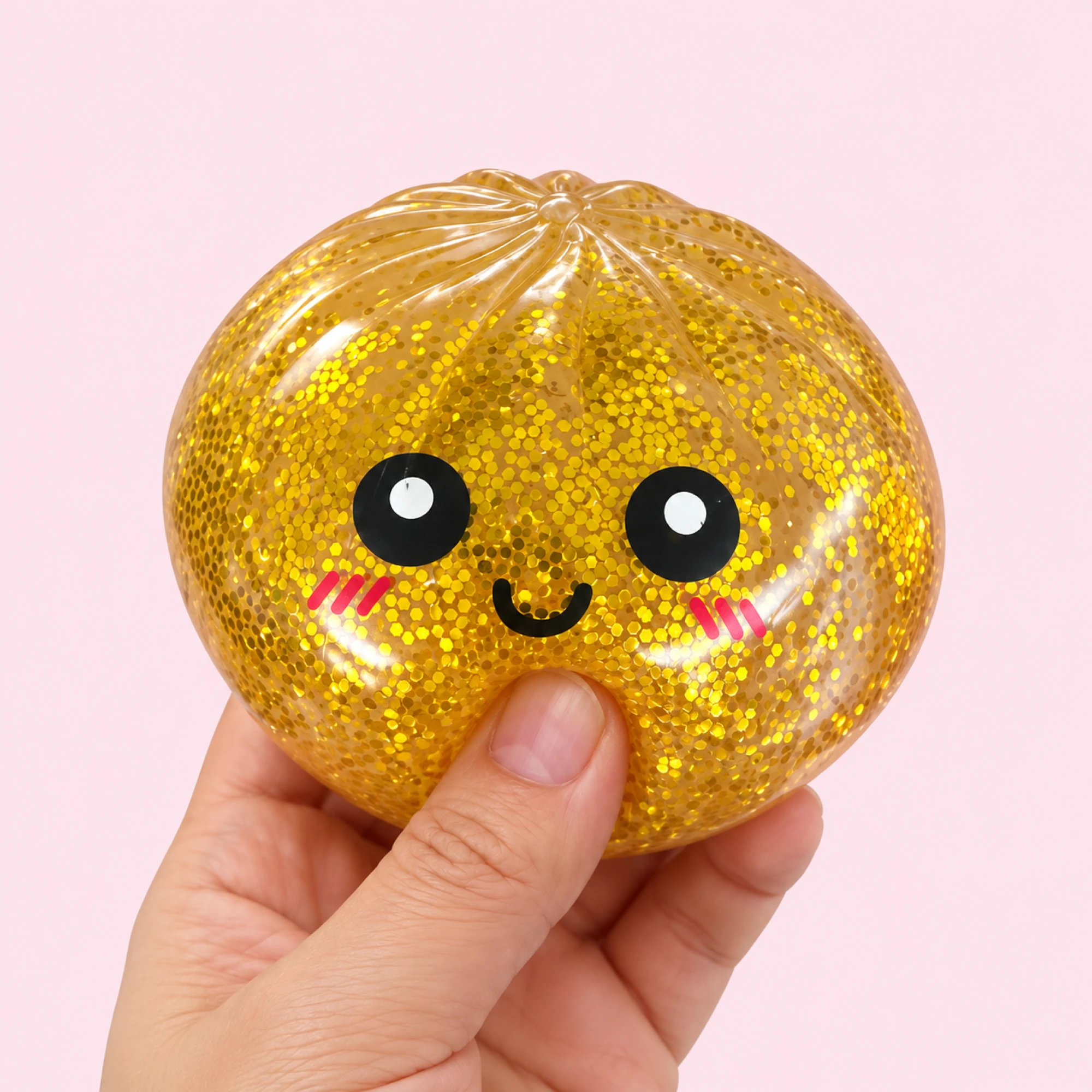
Squishies happen to be the perfect prize-box species: kids want them badly, they’re silent, and they don’t roll off desks mid-lesson. It’s the same economy every arcade has run for decades — tickets, tiers, one giant prize nobody wins until June — scaled to a classroom and a teacher’s actual budget. Here’s the whole build.
Classroom Rewards That Survive Past October
The prize box fails when everything in it costs the same amount of effort. Kids grab, novelty fades, teacher pays. A tier ladder fixes the economics and the motivation at once:
| Tier | Earned by | Prize |
|---|---|---|
| Daily | Caught doing the right thing | Sticker, pencil, “line leader” type perks |
| Weekly | Full punch card or point goal | Pick from the mini squishy tray |
| Jackpot | Monthly goal or class milestone | One big squishy from the top shelf |
Scarcity does the work. When the mini tray is a weekly event and the jackpot shelf is visible-but-locked, a squishy stops being a trinket and becomes the classroom currency. More than one teacher has told us the jackpot squishy gets discussed like playoff standings.
Spend the first week teaching the economy like it’s a lesson, because it is: what earns points, what points are worth, when the box opens. Kids respect a system with published rules and audit any system without them — loudly, during carpet time.
Stock the Box in One Order
Here’s the shopping list version. The Mini Duck Squishy 30 Pack is the workhorse — thirty jelly ducks covers a full class roster with spares, which makes it the weekly-tier tray in a single purchase. The Mini Pig Squishy 6 Pack adds texture variety; the fuzzy mochi surface feels completely different from smooth jelly, and variety is what keeps week nine as interesting as week one.
For the jackpot shelf, go bigger and more ridiculous — something like the realistic Burger Squishy has exactly the right trophy energy. Spares live in your desk drawer, never in the visible box — visible abundance crashes any prize economy fast. Browse the wider mini squishy collection to rotate stock, and if you’re outfitting multiple classrooms or buying at PTA scale, our wholesale page is built for that conversation. Orders of $49 or more ship free worldwide, which a class-sized restock clears easily.
One stocking philosophy that pays off: keep the weekly tray predictable and let the jackpot shelf rotate monthly. Steady small prizes keep the floor calm; a rotating trophy keeps the ceiling interesting.
The Quiet Rule (Non-Negotiable)
One filter saves your sanity: nothing in the prize box makes noise. No squeakers, no clickers, no bead-filled anything. Slow-rising foam and jelly squishies pass because compression and rebound are completely silent — a kid can flatten a duck under the desk during independent reading and the room stays a room. Run the desk test yourself before stocking anything: squeeze the candidate a foot from your ear, and if you hear more than soft foam compression, it fails. A sound you barely notice at 3 p.m. is a siren during a spelling test.
We keep a tested list of quiet fidget squishies for classroom and office if you want to pre-screen the tray. Pair the quiet rule with a simple ownership rule — prizes live in backpacks during instruction unless you run explicit fidget time — and the system polices itself.
Three Systems That Run Themselves
The box is the reward; you still need the engine. These three are common because they work:
- Punch cards. Ten punches earns a weekly-tray visit. Kids track it themselves, which is the point. Laminate the cards if you value your prep periods.
- Table points. Groups earn points for transitions and teamwork; Friday’s winning table picks first. Peer pressure, but make it wholesome — and rotate table membership monthly so one squad doesn’t run a dynasty.
- Raffle tickets. Every good choice earns a ticket; Friday draw picks two or three winners. Low bookkeeping, high suspense, and saving stubs for a semester-end grand draw keeps even the unlucky invested.
Whichever you pick, protect the exchange rate. The fastest way to kill a prize economy is a rainy-day “everyone gets one” — generous today, bankrupt by Thanksgiving.
FAQ
How do I keep prize-box costs under control? Buy the low tier in bulk packs, keep the jackpot tier rare, and restock monthly instead of weekly. Our bulk guide to party favors and class prizes breaks down counts for class sizes.
What about hygiene and sharing? Prizes are keepers, never communal — each kid’s squishy goes home with them, which sidesteps the shared-fidget problem entirely. Smooth jelly surfaces also wipe down easily if one takes a floor detour, and a quick wipe of the tray itself every few weeks keeps the whole operation civilized.
What ages does this work for? Squishies are rated 3 and up, so kindergarten through middle school is the sweet spot. Older kids pretend to be above it right up until the raffle drum comes out.
What if squishies become the distraction? Flip it: make squishy time the reward itself — last five minutes of Friday, everyone’s earned squishy out. Naming the time contains the urge better than banning it ever has. The kids who most need the outlet tend to be the ones who earn it fastest, which is the system quietly doing its job.