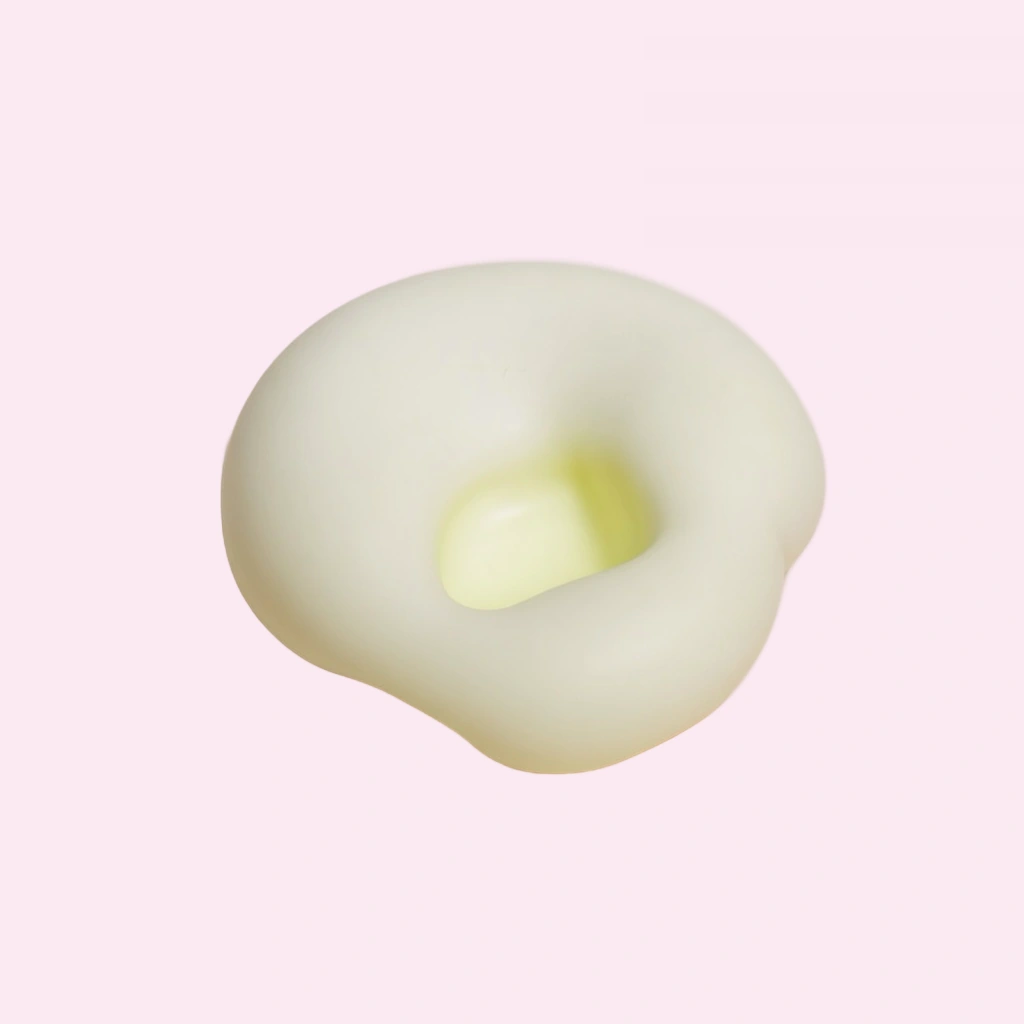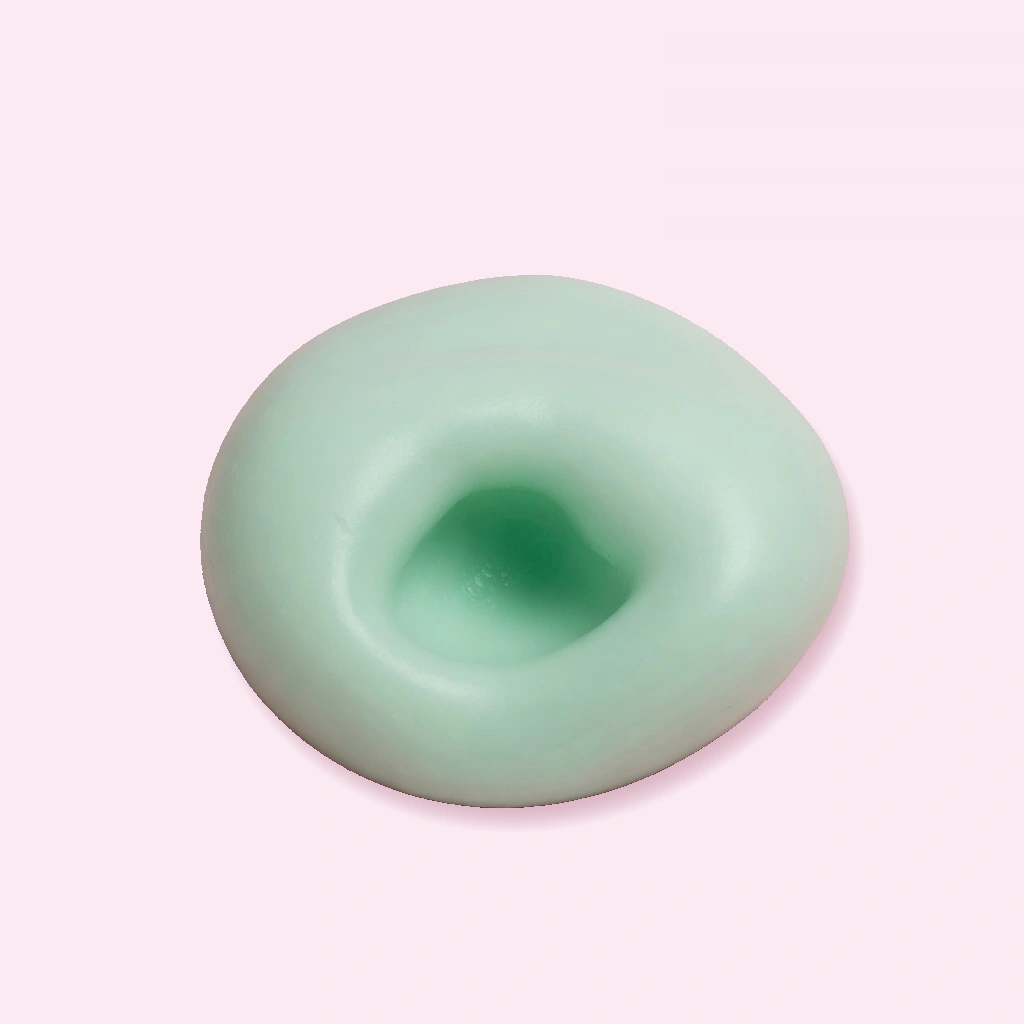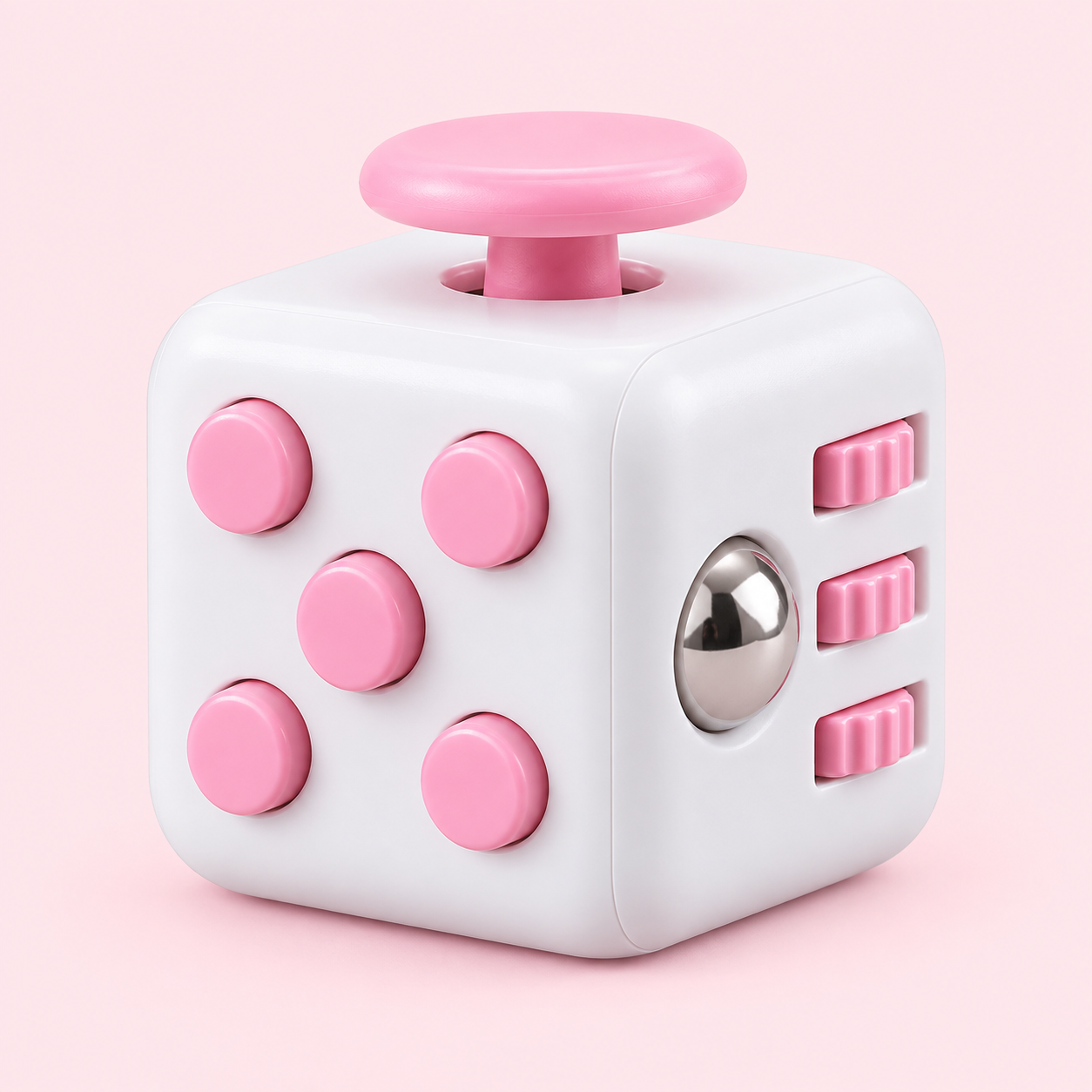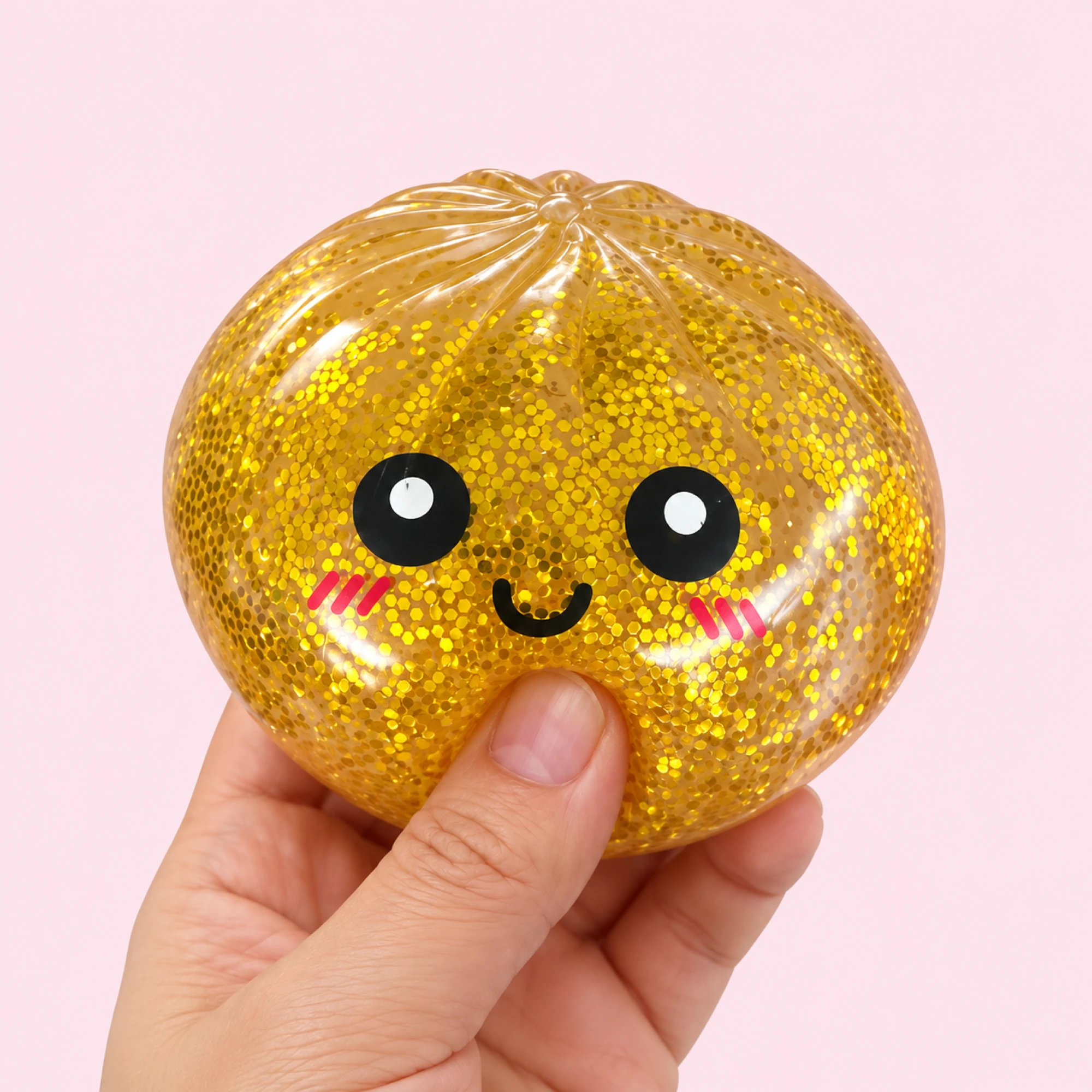


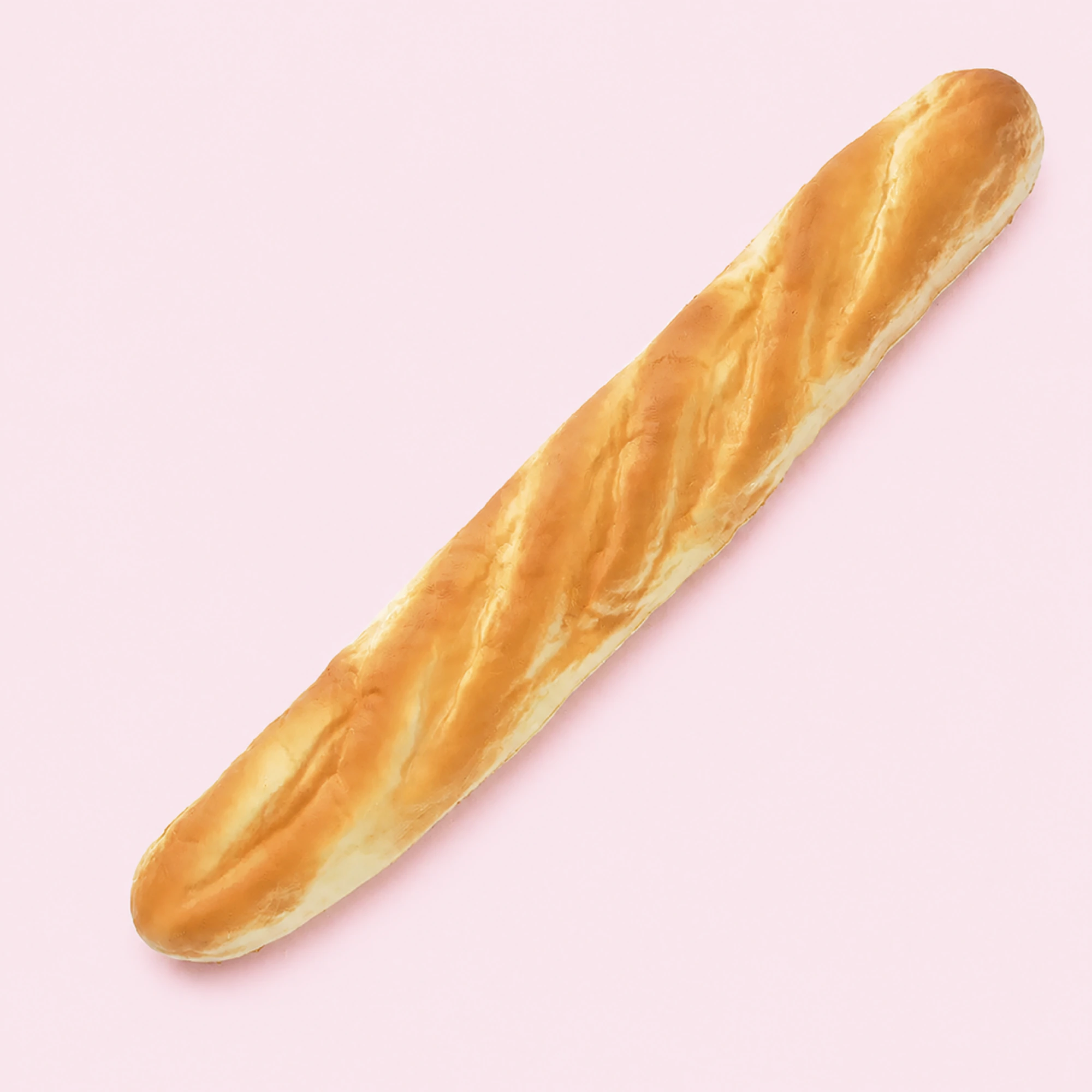
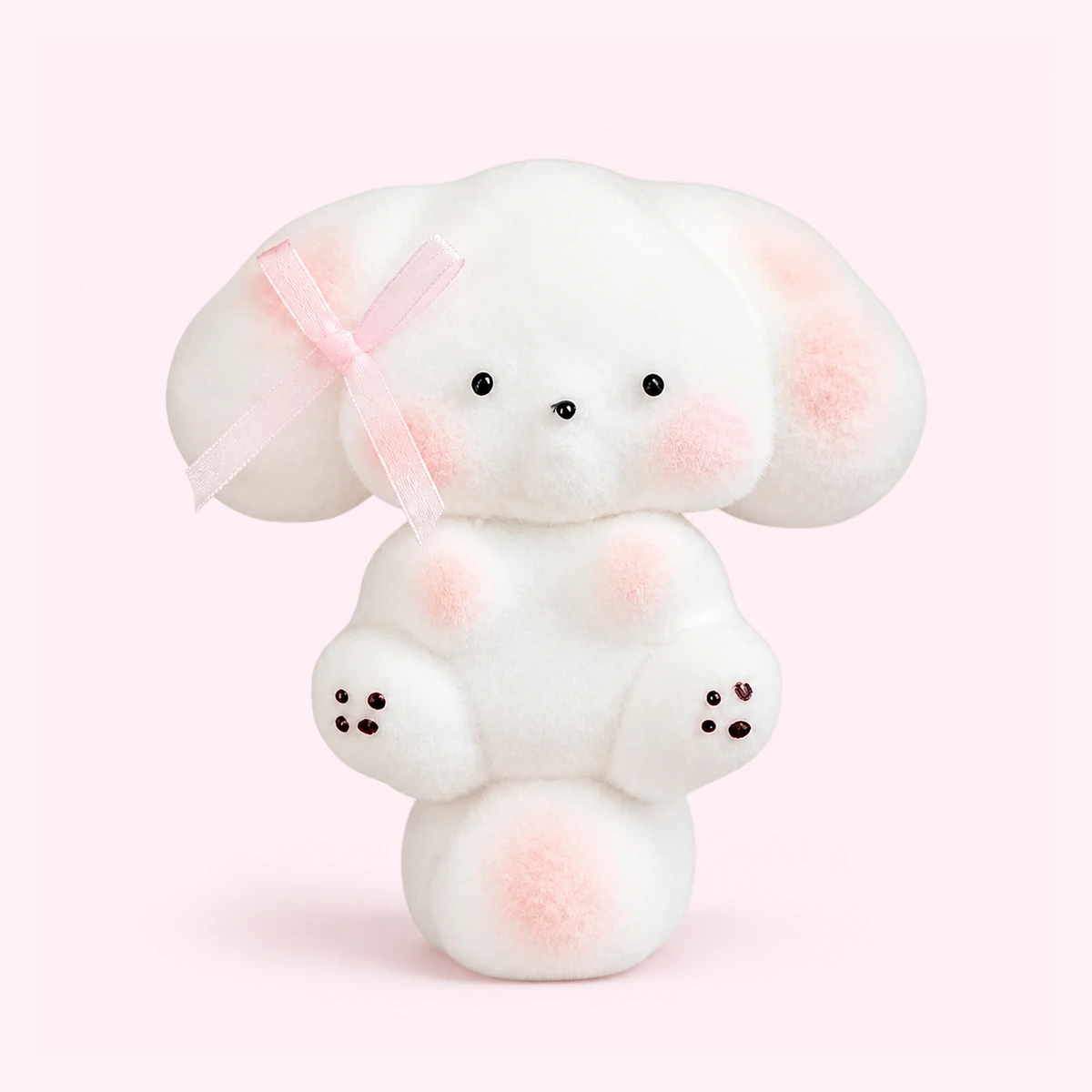
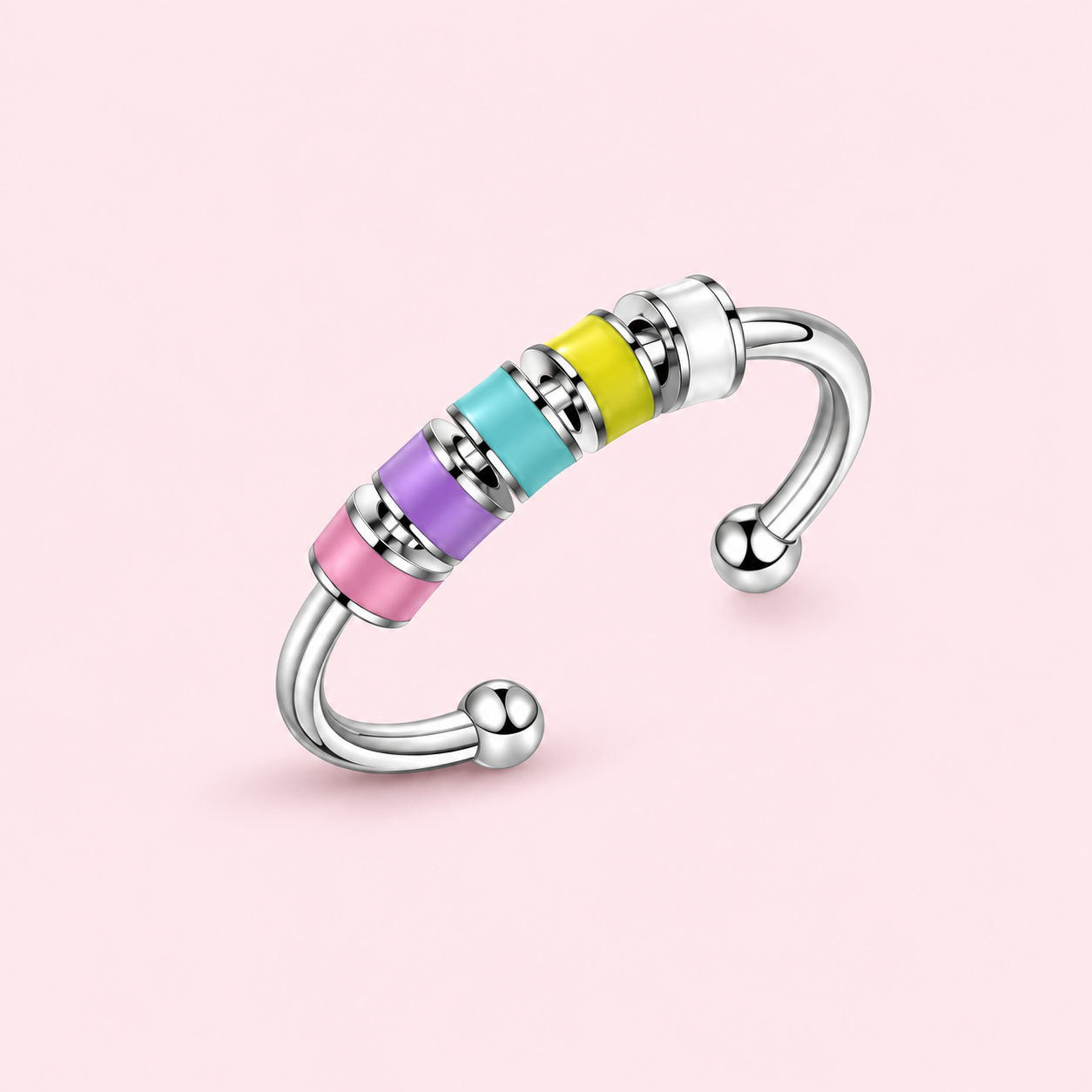
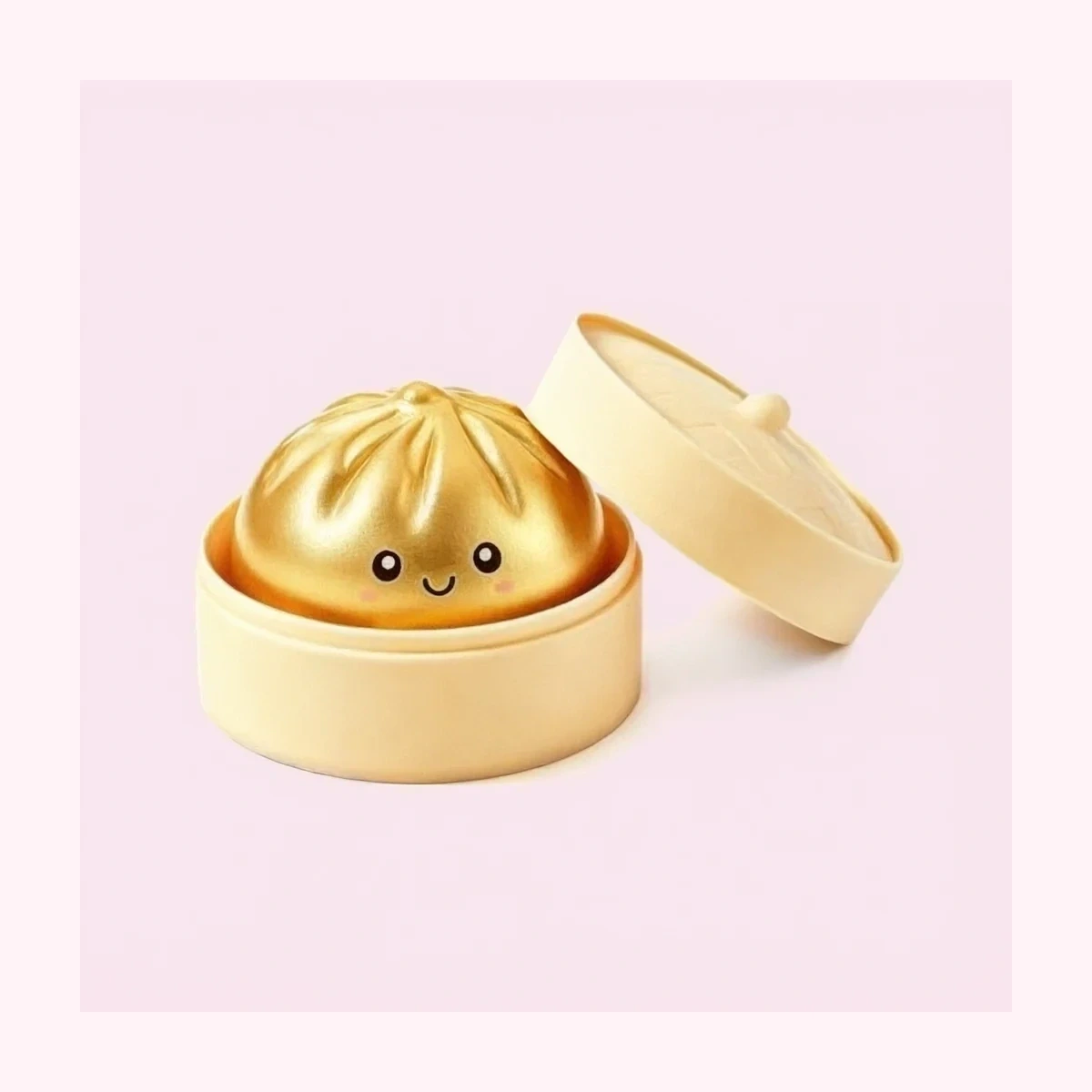
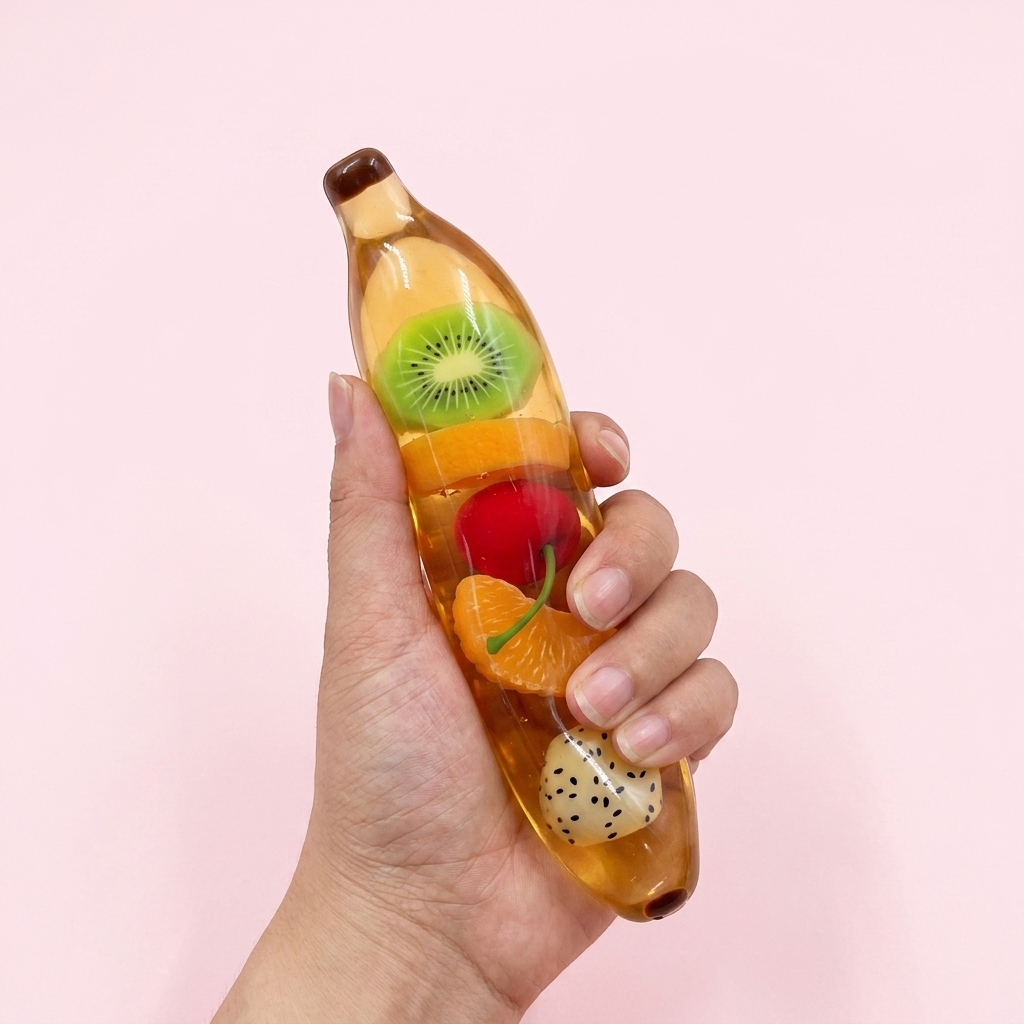

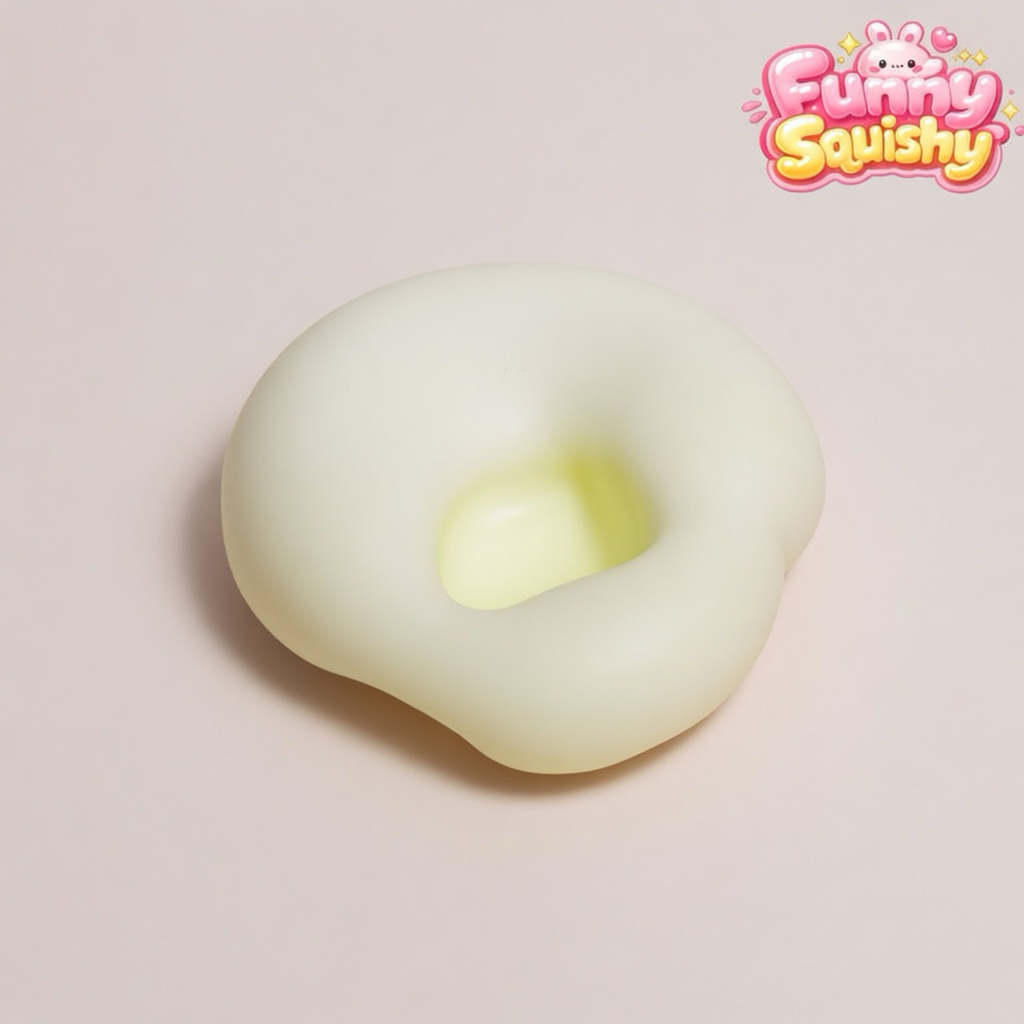
A good fidget toy for skin picking gives your fingers a competing job: something to press, pinch, roll, or scratch that feels at least as satisfying as the habit it’s replacing. The most useful options have dense, slightly resistant textures — slow-rising foam, firm silicone, raised bumps — and they live within arm’s reach, because an urge rarely waits while you go looking for a toy.
Why Hands Go Looking in the First Place
A lot of picking happens on autopilot. You’re reading, scrolling, or half-listening on a call, and your fingers drift off to find a rough patch of skin without asking permission. The hands want input; the skin just happens to be the closest source.
That’s the gap a fidget can fill. If your fingers are already holding something with a more interesting texture — denser, springier, bumpier — the autopilot has somewhere else to land. The goal isn’t willpower. It’s making the alternative easier to reach than the habit.
One important thing before the toy talk: picking that leaves wounds, scars, or real distress can be a body-focused repetitive behavior, sometimes called dermatillomania. This isn’t medical advice — consult a professional if picking is hurting you. Therapists commonly work with habit-reversal strategies, and a skin picking fidget toy slots into that as a “competing response,” which is a clinical way of saying: give the hands a different assignment.
What Makes a Good Fidget Toy for Skin Picking
Resistance. Picking fingers are after feedback. A dense, slow-rising squishy pushes back against your fingertips, then takes its time re-inflating, so every squeeze has a beginning, a middle, and a satisfying end. Foam that’s too airy feels like squeezing nothing and gets abandoned by day three.
Texture. Smooth isn’t always enough. Bumps, ridges, seams, and coated surfaces give fingertips something to explore, which matters because a lot of picking is really searching — fingers hunting for an edge.
Silence. Urges show up in meetings, in class, and at 1 a.m. A clicky fidget you can’t use in those moments is a fidget you don’t own. Soft foam makes no sound at all.
Nail-resistance. Be honest about how you’ll use it. If you dig nails in hard, rotate a couple of toys so no single one takes all the wear.
Match the Texture to the Urge
| What your fingers are hunting for | What tends to satisfy it |
|---|---|
| Deep, slow pressure | Dense slow-rising foam, butter-style squishies |
| An edge to pick or peel at | Silicone with ridges, nubs, or seams |
| Something to rub smooth | Coated squishy surfaces, worn-in foam |
| Small repetitive rolling | Mini or mochi-style squishies |
| A scratch outlet | Fuzzy, fabric-coated squishies |
Notice what every row has in common: none of them are your own skin. That’s the entire trick — figure out the specific sensation you’re after, then put a better version of it closer than the habit.
Building a Hands-Busy Kit
One toy in a drawer doesn’t work, because urges don’t schedule themselves. People who get real mileage out of fidgets usually run stations: one at the desk, one on the couch arm, one on the nightstand, one in the bag.
A multi-pack makes that painless to set up. The Halloween Butter Squishy assorted bulk set seeds four or five stations from one box, and butter squishies sit right in the density sweet spot for slow, firm presses — fingertips sink in, the foam pushes back, and the slow re-rise builds in a pause. A single orange trick-or-treat butter squishy covers the jacket pocket. If you want to compare shapes and surfaces beyond butter, the full squishies collection is the browsing aisle.
If your picking rides along with general restlessness, the same logic runs through our guide to fidget toys for adults with busy hands. If it spikes with stress, start with squishies for anxiety and stress relief.
And if a texture doesn’t click, that’s fine — every order carries a 30-Day Squishfaction Guarantee, so experimenting with your kit is low-stakes.
What to Expect (Honestly)
A fidget is a replacement behavior, and replacements take reps. The first few days, you’ll reach for skin, notice halfway there, and redirect. That notice-and-redirect moment is the win. Count those, not perfect days.
Stack the odds in your favor: keep the toys visible instead of tucked away, note your trigger zones (car, mirror, late-night phone time), and park a fidget in each one. Many people also keep their nails short during the transition, which quietly lowers the payoff of the old habit while the new one settles in.
Progress usually looks like shorter picking sessions and faster catches — then, eventually, stretches where your hands went to the squishy first without a single conscious decision. Kind beats strict here. You’re not breaking a habit so much as rehoming it.
FAQ
Can a fidget toy stop skin picking completely? Usually not by itself, and anyone promising that is overselling. It works as a competing response — an easier, better-feeling place for restless fingers to land — and it pairs well with professional support when picking is severe.
What texture should I start with? Dense and slow-rising is the most common winner, because it delivers firm pressure plus a built-in pause while the foam recovers. If your urge is more pick-at-an-edge than press, add something ridged or seamed alongside it.
Should I buy one fidget or several? Several, spread across the places you actually pick. An urge gives you about two seconds of warning, and a toy across the room might as well be in another country.
When should I get professional help? If picking causes wounds or scarring, eats real time, or brings shame that follows you through the day, that’s the signal. A therapist familiar with body-focused repetitive behaviors can help, and your fidgets stay useful alongside that support.
Keep the toys close, keep the tone kind, and let the redirects add up — that’s the whole system.