


Every craft guide on the internet ends at the same place: you have a balloon full of flour and a photograph. None of them tell you what that object is like three weeks later, which is the only question that matters if you are deciding whether to make one or buy one. A homemade stress ball is genuinely the right answer in some situations and a waste of an afternoon in others, and the difference is predictable.
What Fails, and When
The balloon is the clock. Latex degrades from the moment it is inflated and stretched, and a filled balloon lives under constant tension. Ultraviolet light, skin oils and hand sanitiser all accelerate it. In practice a single-balloon build goes tacky or dusty on the surface within weeks and splits somewhere between a few weeks and a few months. Double-balloon builds — one stretched over another — roughly double that, which is why every good tutorial insists on the second layer.
Flour cakes. Plain flour starts loose and granular and gradually compacts into a dense lump that no longer redistributes when you squeeze. The ball stops being squishy and becomes a hard sphere. Cornflour resists this better than wheat flour; rice resists it best of all but never feels smooth.
Anything wet is a countdown. Gel, hair conditioner, slime and water-bead fills all behave beautifully for a week and then either leak or grow something. A wet fill inside latex is not a shelf-stable object.
Sand and salt abrade. They keep their texture indefinitely, which is the upside, and they slowly scour the inside of the balloon, which is the downside.
None of that makes a homemade stress ball a bad object. It makes it a temporary one, and being clear about that changes when you would choose it.
When a Homemade Stress Ball Is Genuinely the Better Choice
When the making is the point. As an activity — a rainy afternoon, a classroom session, a team thing — the value is in the twenty minutes of assembly, not the object. Judging that build by how long it survives misses what you bought it for.
When you need a specific resistance you cannot buy. This is the strongest argument for DIY and the least discussed. Commercial balls come in a narrow band of firmness; if you want something markedly firmer than any of them, packing rice into a double balloon gets you there. Hand-therapy and grip work sometimes need that, and our stress ball grip work guide covers what firmness ranges are useful for.
When you need a dozen of them at once for something disposable. A party, a stall, a one-off event where they will be left behind anyway.
The standard step-by-step — five fillings and how each one turns out — lives in our DIY stress ball guide, which is the article to read if you have already decided to make one. This one is about the decision itself.
When Buying Wins
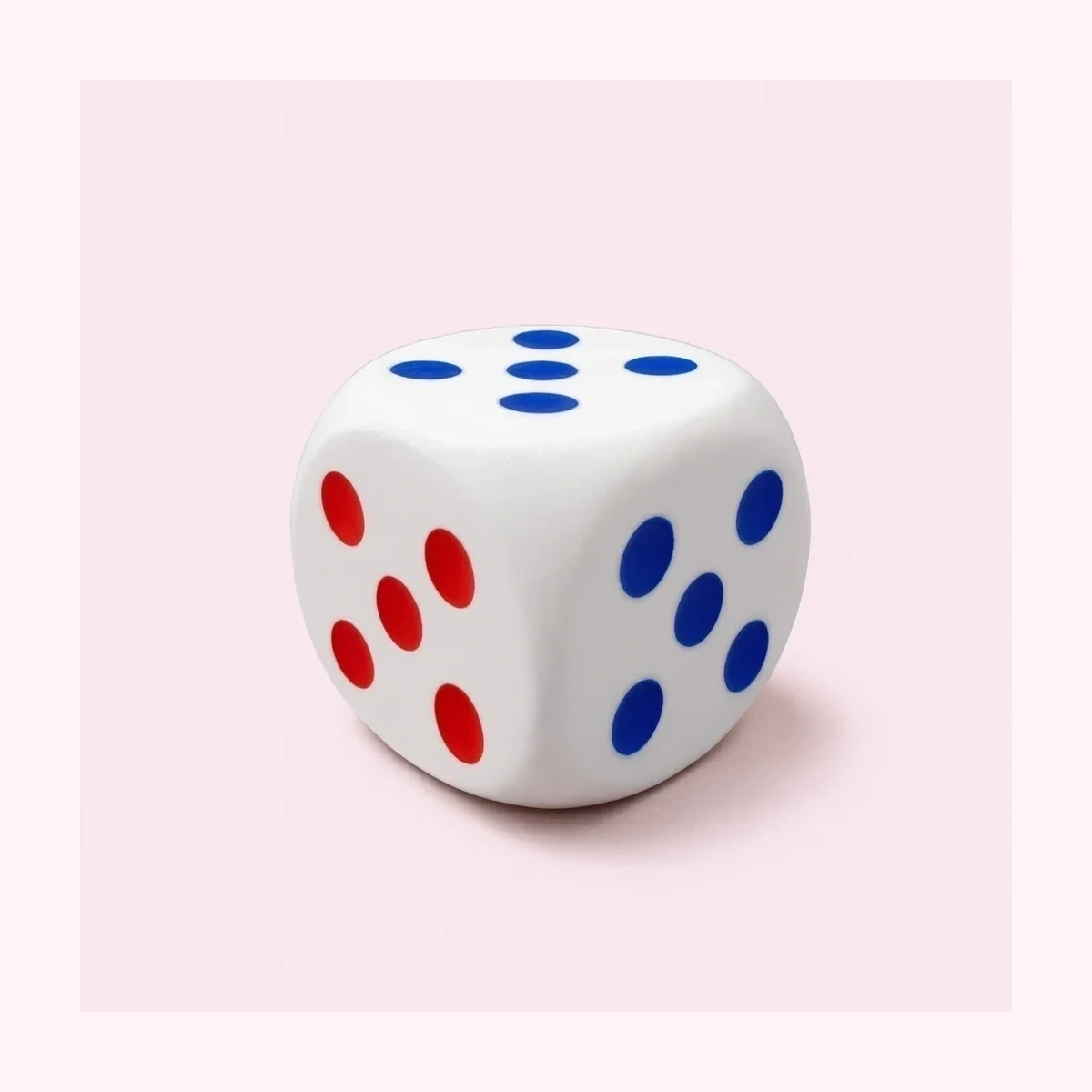
When you will use it daily. Anything that gets picked up hundreds of times a week wants a moulded body with no seam and no skin — one solid piece of closed-cell foam that cannot leak because there is nothing inside it to leak. A 3-inch foam dice is this construction, and it will outlast any balloon build by years rather than weeks.
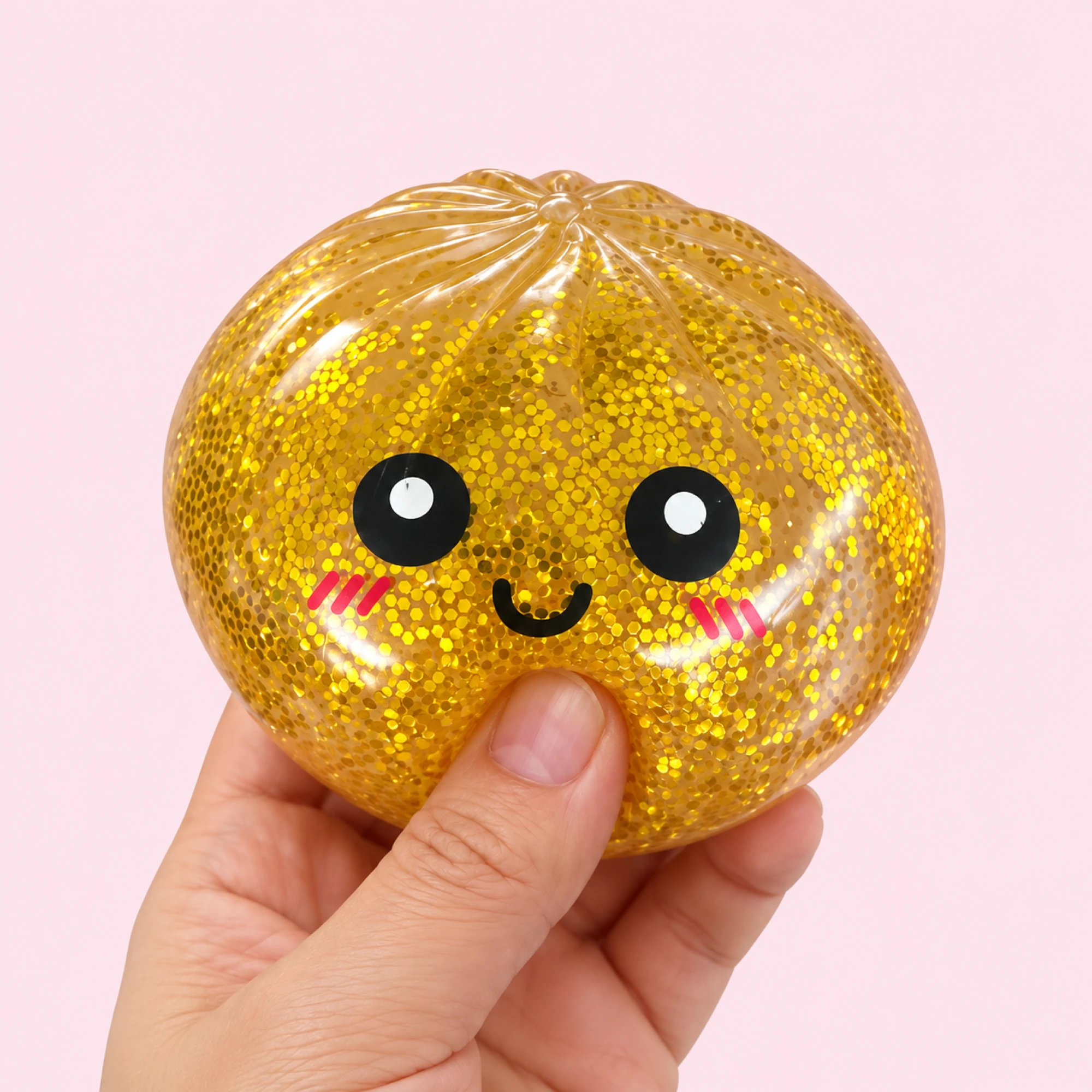
When you want a sensation DIY cannot reach. Slow-rising polyurethane foam — the slow recovery where you press a dent and watch it fill back in over several seconds — cannot be produced at a kitchen table. Neither can a true fluid-filled skin with a controlled slow return, like the fluid-filled watermelon. Those are moulding processes, not assembly processes.
When it goes in a bag. A balloon build in a bag with keys has one outcome, and it is flour everywhere.
When you want it to be quiet. Bead and rice fills are audible; a solid foam ball is silent. That difference decides whether a fidget is usable in a shared room at all, which is the same logic we apply to clicky fidgets and meeting noise.
The Honest Cost Comparison
DIY is not obviously cheaper once you count properly. A bag of balloons, a bag of flour and a funnel cost real money and produce several balls, so the per-ball figure looks good — but a homemade ball lasts weeks and a moulded one lasts years, so the cost per month of use runs the other way. If you are making one, make several; the economics only work at volume, and at volume the activity is the point again.
A Middle Path Worth Knowing
If what you like about DIY is choosing the filling, buy across constructions instead of building. The differences between foam, gel, bead and moldable fills are larger than the differences between any two homemade recipes, and they are covered in what the filling changes. Three bought balls with three different fills give you a wider range of sensation than three balloons ever will, and none of them will split in a bag.
If You Do Make One
Two balloons, always. Cornflour rather than wheat flour if you want it to stay loose. Fill it with a funnel and a chopstick rather than by mouth pressure. Knot it, then trim the neck short so nothing catches. Keep it out of sunlight and off radiators, and accept that it is a seasonal object.
Three Bought Options Worth the Comparison
3-inch Foam Dice Stress Ball — solid moulded foam, no skin, no filling, nothing to leak. The durability benchmark.
Fluid-Filled Watermelon Squishy — 6 cm gel body with a genuinely slow return, a sensation no kitchen build reaches.
Clear Coconut Oil Squishy Ball — moldable and clear, for people who wanted the sculpting feel that flour never quite delivers.
See the full fidget balls range, or browse all fidget toys if a ball is not the shape you are after.