

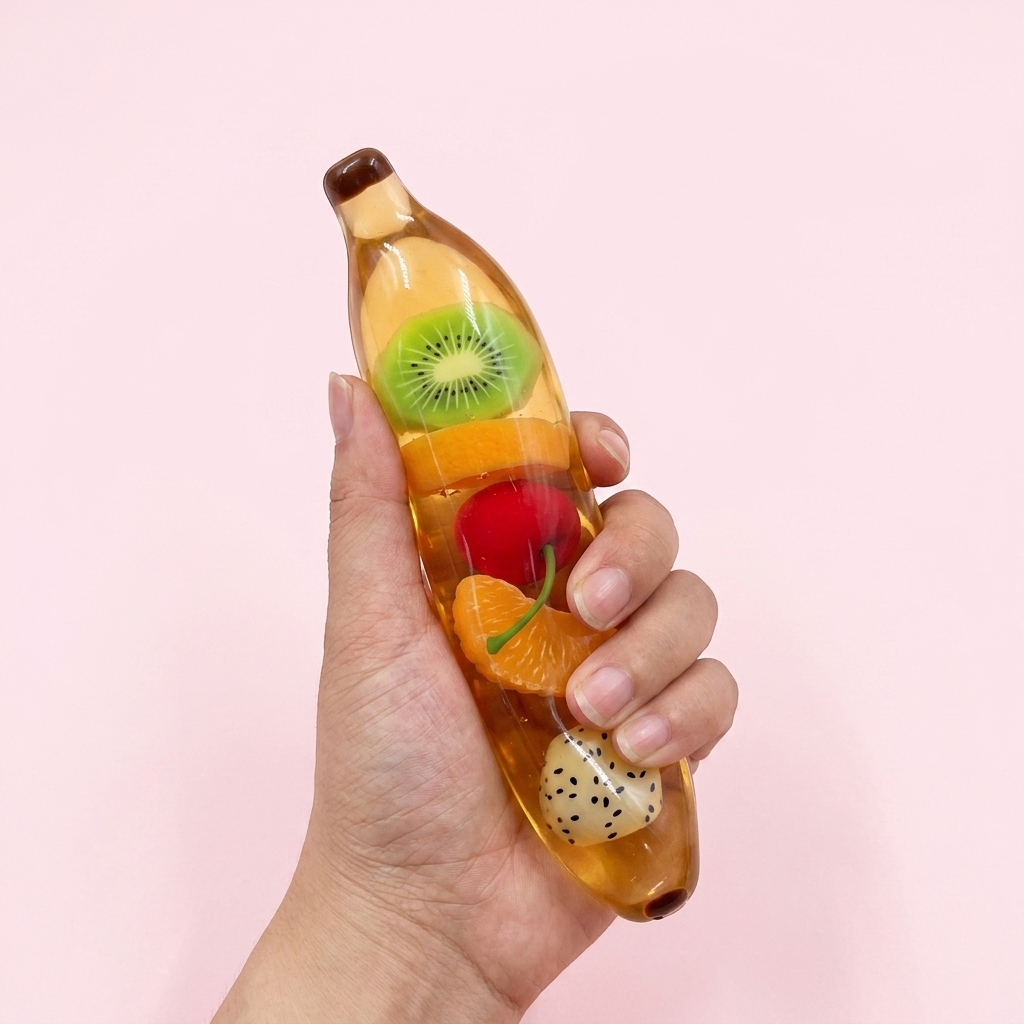

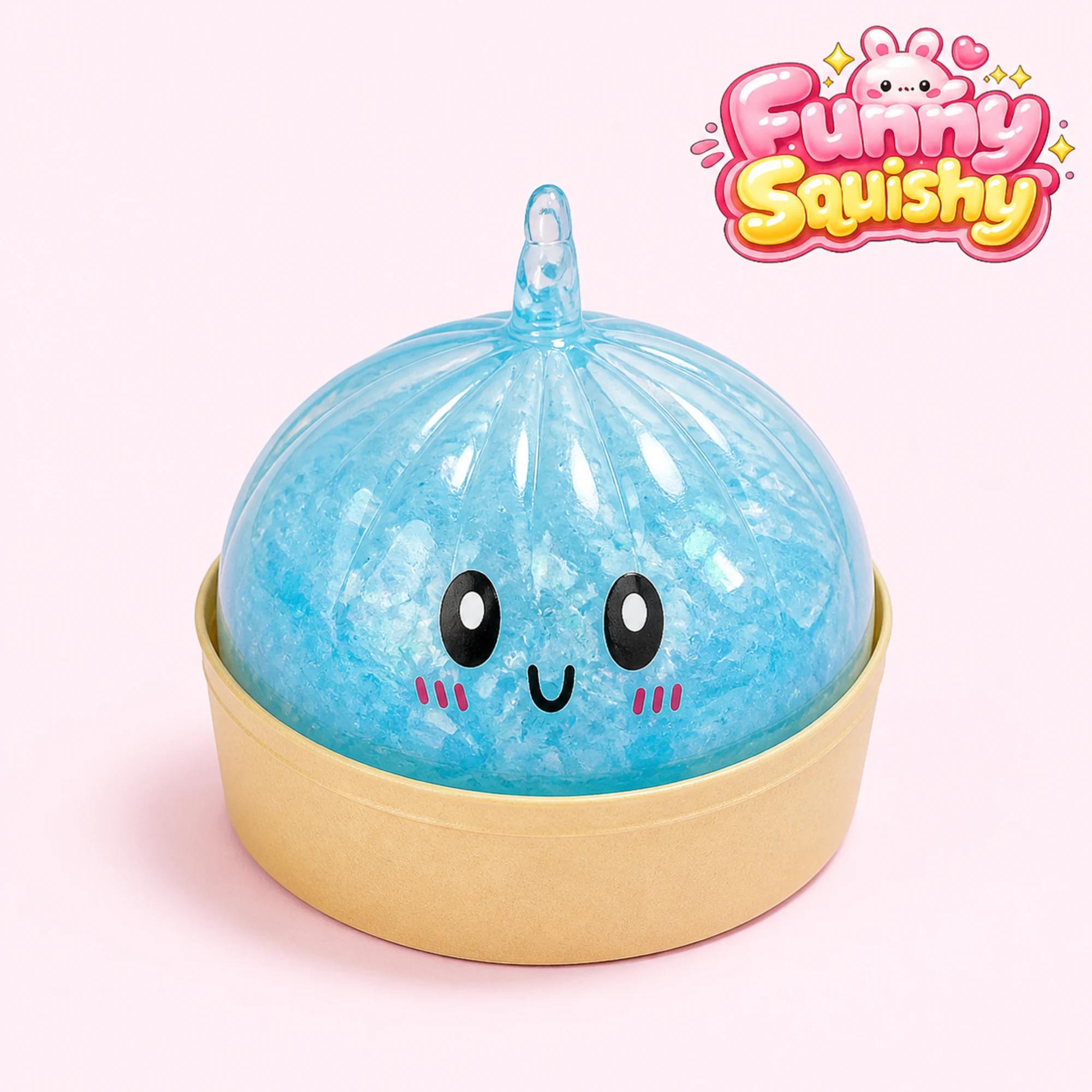
Jar lids don’t get harder to open overnight — grip fades slowly, then announces itself all at once. Light, regular squeezing is the classic low-tech answer, and stress ball grip strength work has one big advantage over gym tools: soft resistance you can actually do daily without wrecking sore hands. Below is a gentle routine, plus how to choose between a soft squishy and a firm therapy ball.
Why Grip Fades Quietly (and Gentle Beats Heroic)
Modern hands type, tap, and scroll — movements that use almost none of the squeezing musculature. The gripping we used to do incidentally (tools, dough, rope, monkey bars if you go back far enough) mostly left daily life, and the strength followed it out.
The fix is frequency, not intensity. Hands respond well to many light sessions — a few easy minutes most days beats one heroic crush session that leaves your forearm complaining. That’s exactly the pattern a soft ball makes possible: resistance low enough that “again tomorrow” is never a negotiation.
Soft vs Firm: Matching the Ball to Your Hands
Resistance should match where your hands are today, not where you’d like them to be:
| Your hands right now | Best match | Why |
|---|---|---|
| Sore, stiff, or recovering | Soft slow-rise squishy | Minimal strain, full range of motion, forgiving pace |
| Average desk-worker grip | Moldable or fluid-filled ball | Moderate, variable resistance you control |
| Already strong, wanting work | Firm hand therapy ball | Real resistance for real effort |
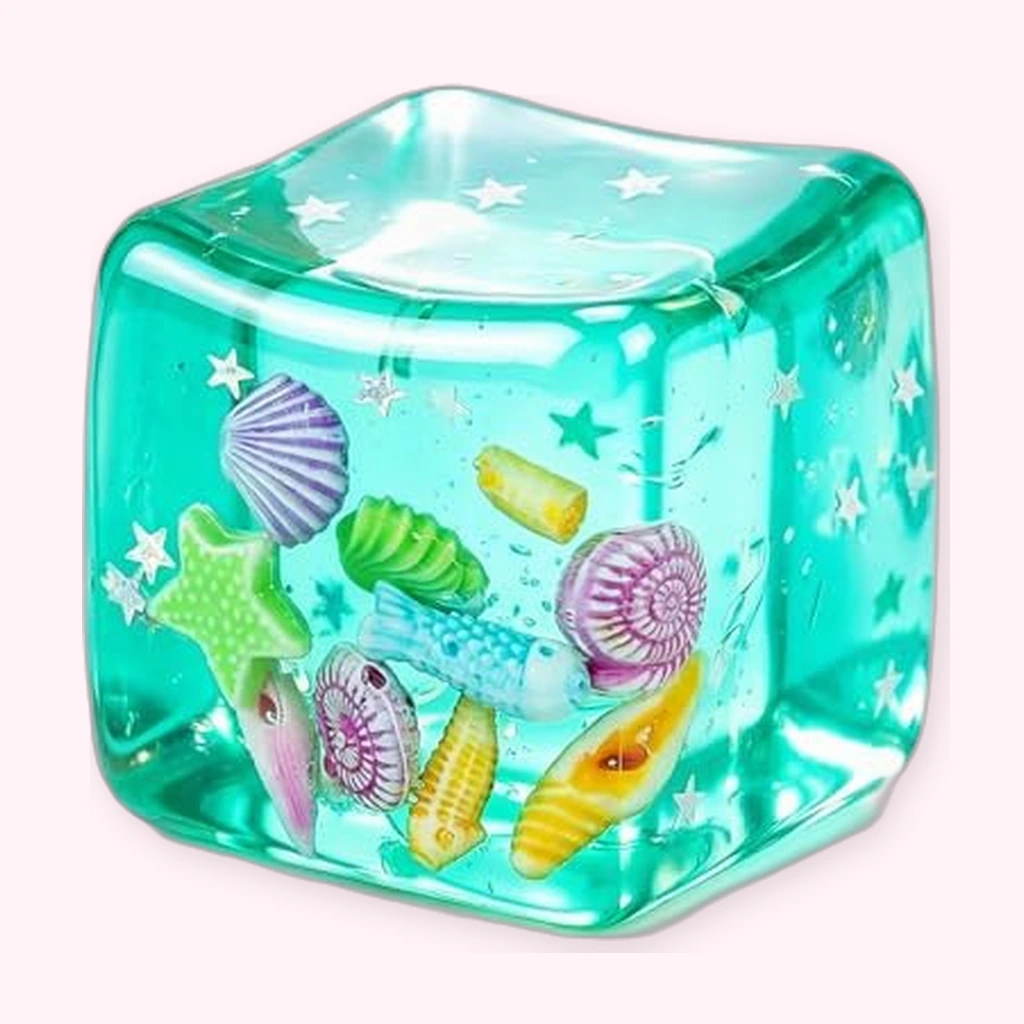
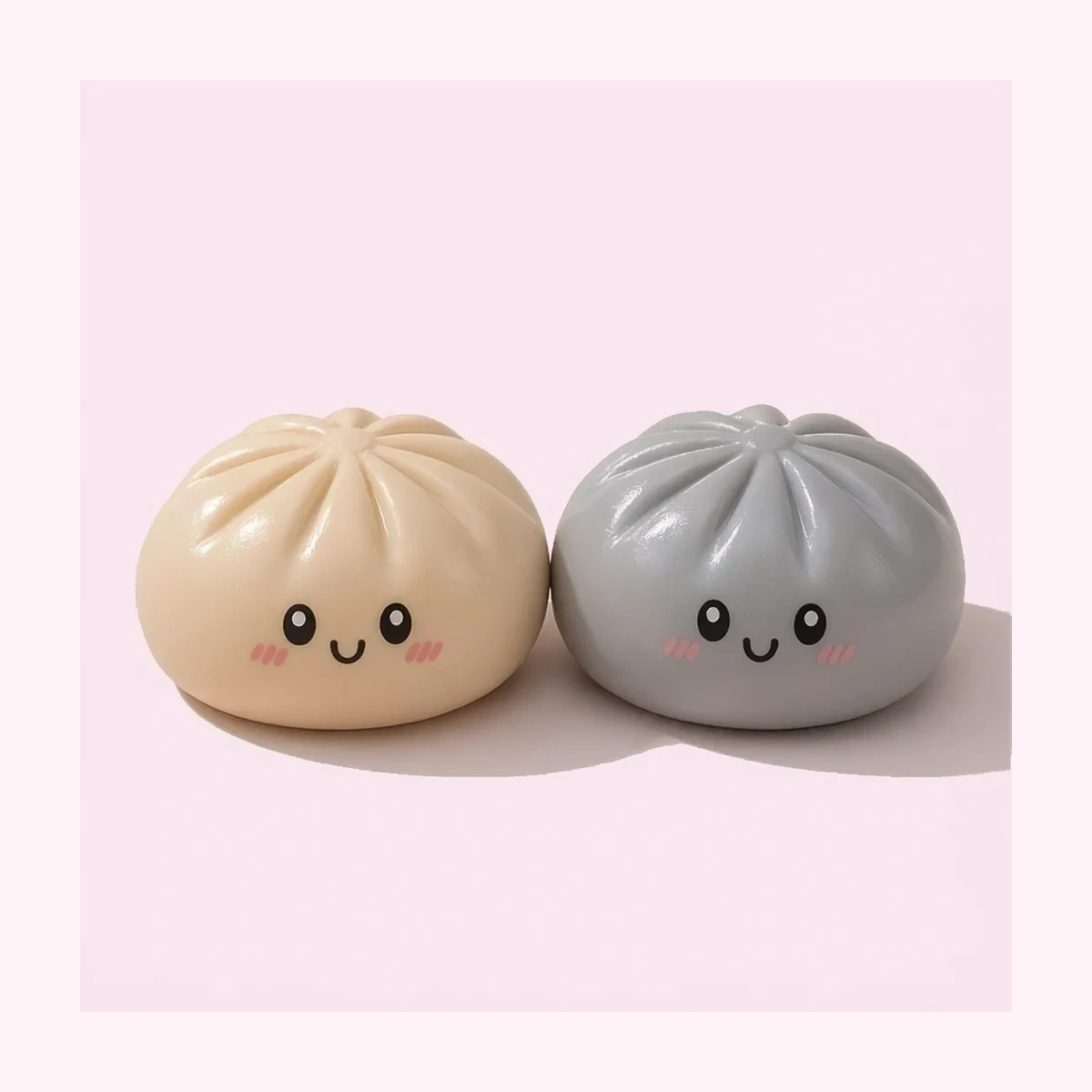
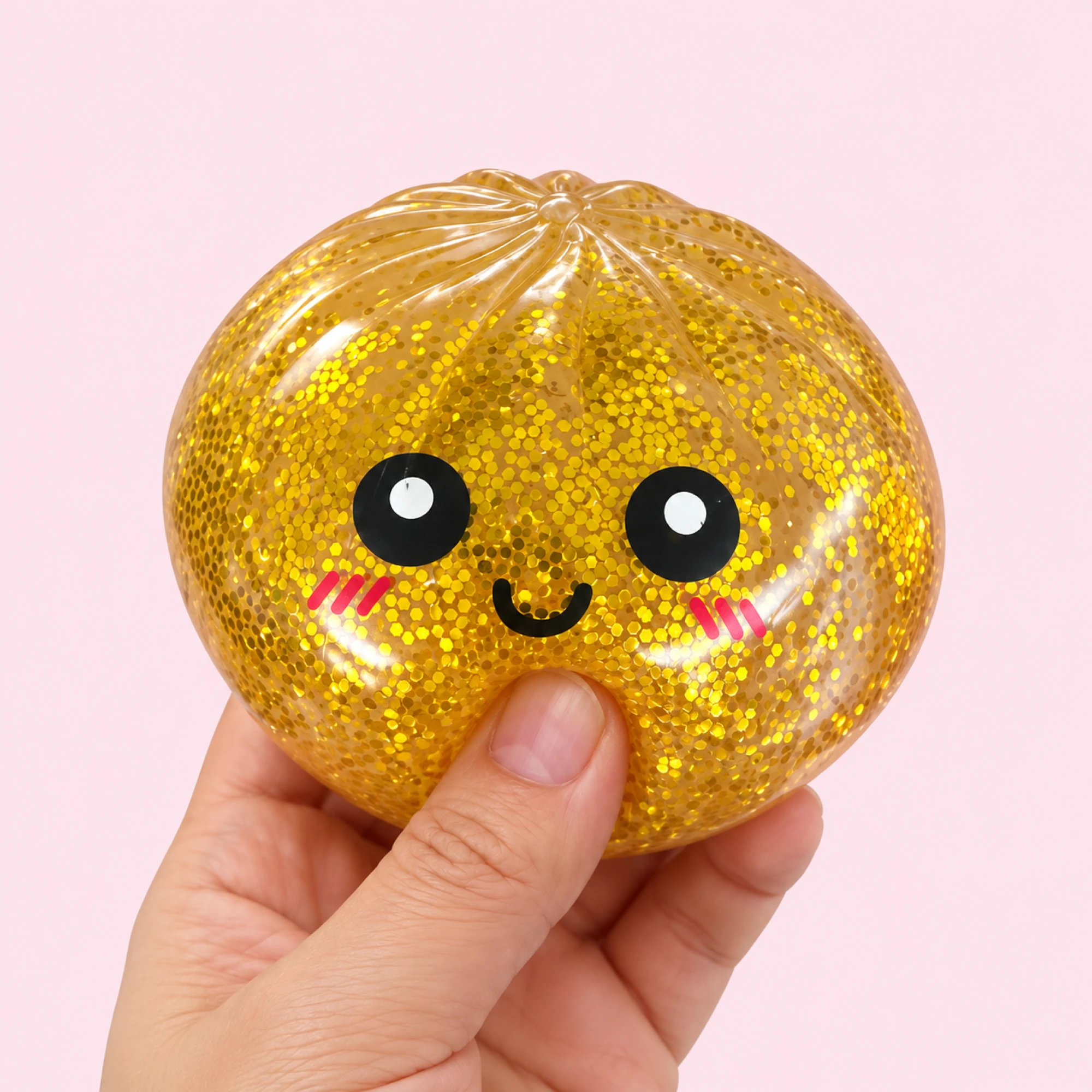
A dedicated hand therapy ball is the right call for people cleared for firmer work. For everyone starting gently, a dense slow-riser is honestly the friendlier tool — something like the Kiwi Slushie moldable stress ball lets you crush and reshape at whatever effort your hand offers, and the fluid-filled Watermelon Squishy adds a little weight and drag without ever fighting back hard. The broader squishy collection runs the whole softness spectrum if neither of those lands.
A Stress Ball Grip Strength Routine You’ll Keep
Five minutes, one ball, no equipment shame. Move through these slowly:
- Full squeeze and hold. Compress the ball completely, hold for a slow three-count, release even slower. Ten reps per hand. The slow release matters as much as the squeeze.
- Finger-by-finger presses. Press each fingertip into the ball individually, thumb included. Five presses per finger. Awkward at first; that’s the point.
- Pinch grips. Hold the ball between thumb and two fingertips, squeeze gently, hold for two. Eight reps. This is the jar-lid muscle.
- The long knead. Finish with a minute of unstructured bread-dough kneading — both hands if the ball is big enough. A two-hand piece from the jumbo collection turns this step into the best part.
Do it most days. Skip any move that produces pain — effort should feel like effort, never like a warning.
For Arthritis, Stiff Mornings, and Post-Injury Hands
If your hands ache, gentle motion is often exactly what they’re asking for — soft squeezing keeps joints moving through their range without loading them hard, and warm-up matters, so mornings may want the softest ball you own and half the reps. Go slower than feels necessary. Progress for a recovering hand is measured in comfortable weeks, not impressive days.
And the line that matters: this isn’t medical advice — if you’re dealing with arthritis, an injury, or post-surgery recovery, get your routine blessed by a doctor or hand therapist first. They’ll tell you what resistance and rep count your specific hand should start with, which no blog can.
One quiet advantage of using a toy-grade squishy for rehab work: it doesn’t look like rehab. It sits on the desk looking like a personality trait, and the Bloodshot Eyeball Squeeze Toy in particular makes physical therapy feel like a bit — which, for keeping a daily habit alive, is worth more than it sounds.
Making It Stick
The routine that works is the one attached to something you already do. Park the ball where your hands idle: next to the keyboard for hold-music squeezes, by the kettle for steeping-time reps, on the couch arm for episode-length kneading. We’ve written about this pattern before in desk fidget habits that beat the afternoon slump — the trigger does the remembering so you don’t have to.
Every ball and squishy we stock ships with the 30-Day Squishfaction Guarantee, and Orders of $49 or more ship free worldwide — relevant here mostly because a soft-medium-firm trio in one cart is the cheapest way to find your actual starting resistance.
FAQ
Do stress balls actually improve grip strength? They help maintain and gently build it, especially for beginners, desk workers, and recovering hands. Past a certain strength level you’ll outgrow soft resistance and want firmer tools — a good problem to reach.
How often should I do hand grip exercises? Little and often wins: five-ish gentle minutes most days beats long occasional sessions. Hands are happy to work daily at low intensity, and soreness that lingers into the next day means you did too much.
Is a squishy as good as a hand therapy ball? For gentle work, yes — resistance is resistance, and soft slow-rise foam covers the low end well. Structured rehab with progressive resistance levels is where graded therapy balls earn their place, ideally under a therapist’s guidance.
Which hand should I train? Both, always — even when one side is the problem, keeping the other moving maintains balance, and alternating hands builds rest into the set. Your dominant hand will be stronger; that’s normal, not a flaw to fix.