


Artwork that looks crisp on a business card frequently comes back unreadable on foam, and the reason is not the printer’s competence. A custom printed stress ball is a print onto a curved, compressible, slightly porous surface, and each of those three properties removes something you can normally take for granted. Knowing which constraints are real saves a round of proofs and occasionally saves the whole idea.
How Printing on a Custom Printed Stress Ball Works
The standard method is pad printing. A silicone pad picks ink up from an etched plate and presses it onto the object, deforming to follow the curve. It is the only practical way to put an image on a sphere, and everything below follows from that mechanism.
The pad presses. Foam compresses under it, then rebounds, and the image stretches slightly as it does. Fine detail smears in exactly the way you would expect from printing onto something soft.
The pad transfers a thin ink film. It is not opaque the way screen printing on fabric is, which is why light inks on dark foam usually disappoint and dark inks on light foam look right.
One pad, one colour, one pass. Multi-colour work means multiple passes with registration between them, and registration on a compressible curved surface is not precise.
What Reliably Survives
Solid shapes with thick strokes. A simple wordmark, a bold icon, a single line of large type.
One or two spot colours. Two is common; each additional colour adds a pass and a registration risk.
Dark ink on light foam. The classic white or pastel ball with a dark print exists because it is the combination that works.
A print window smaller than you expect. On a sphere the usable flat-ish area is a circle around the top of the curve, and anything pushed toward the edges distorts. On a shaped ball — anything that is not a smooth sphere — the flat panels are the only reliable print areas at all.
What Reliably Fails
Gradients and photographs. Pad printing lays a thin flat film; it does not do smooth tonal transitions on foam.
Small text. Anything below roughly the size of body text on a business card closes up as the foam rebounds. Phone numbers and web addresses are the usual casualties, and they are usually the whole point.
Fine outlines and hairlines. Thin strokes break up.
Exact colour matching. Foam is dyed, not coated, and the base colour tints anything printed on it. A specified brand colour on white foam is close; the same colour on a coloured ball is not.
Full coverage. You cannot print a ball edge to edge; choose the base colour instead, which is effectively the second colour of the design.
The Constraints Nobody Mentions Until Proofing
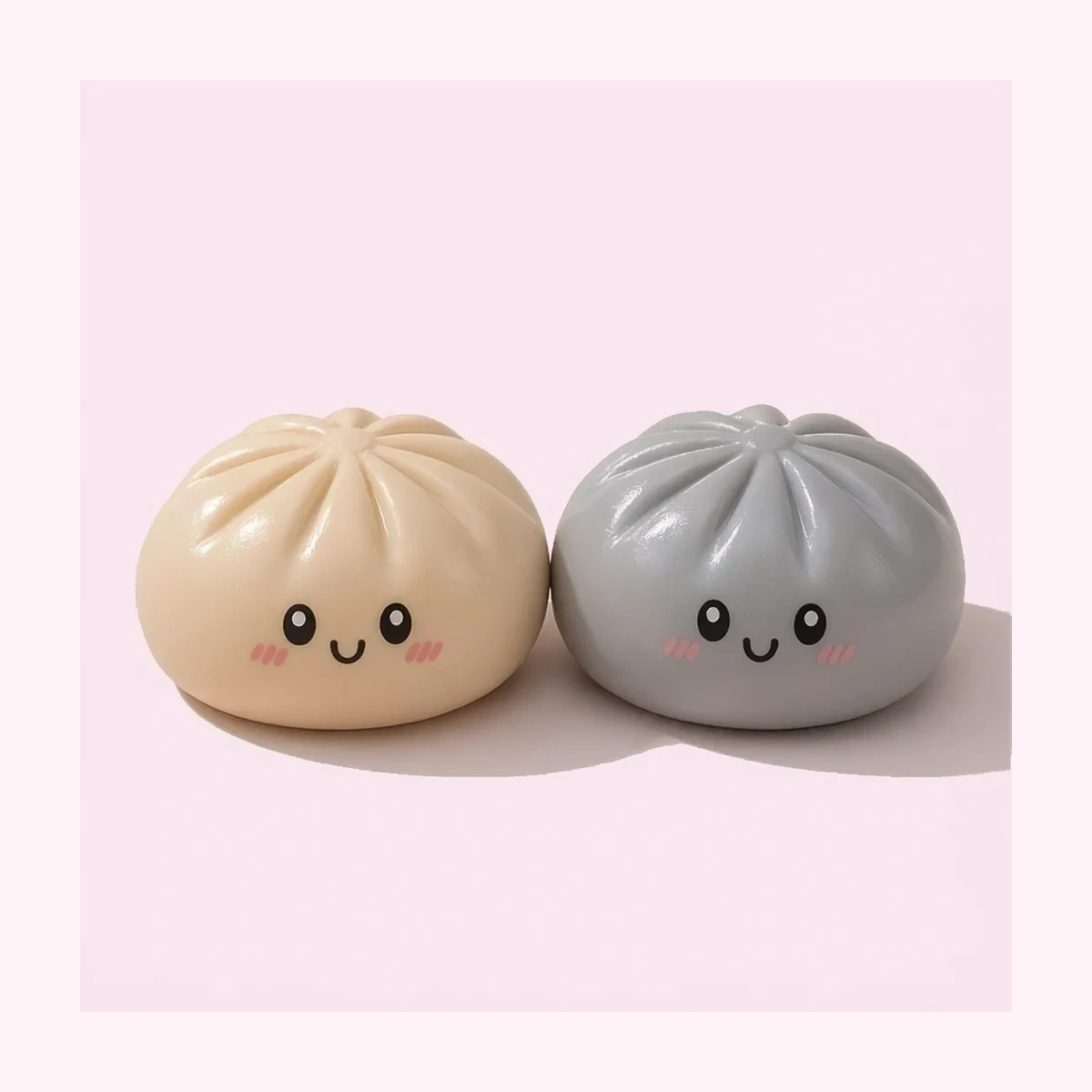
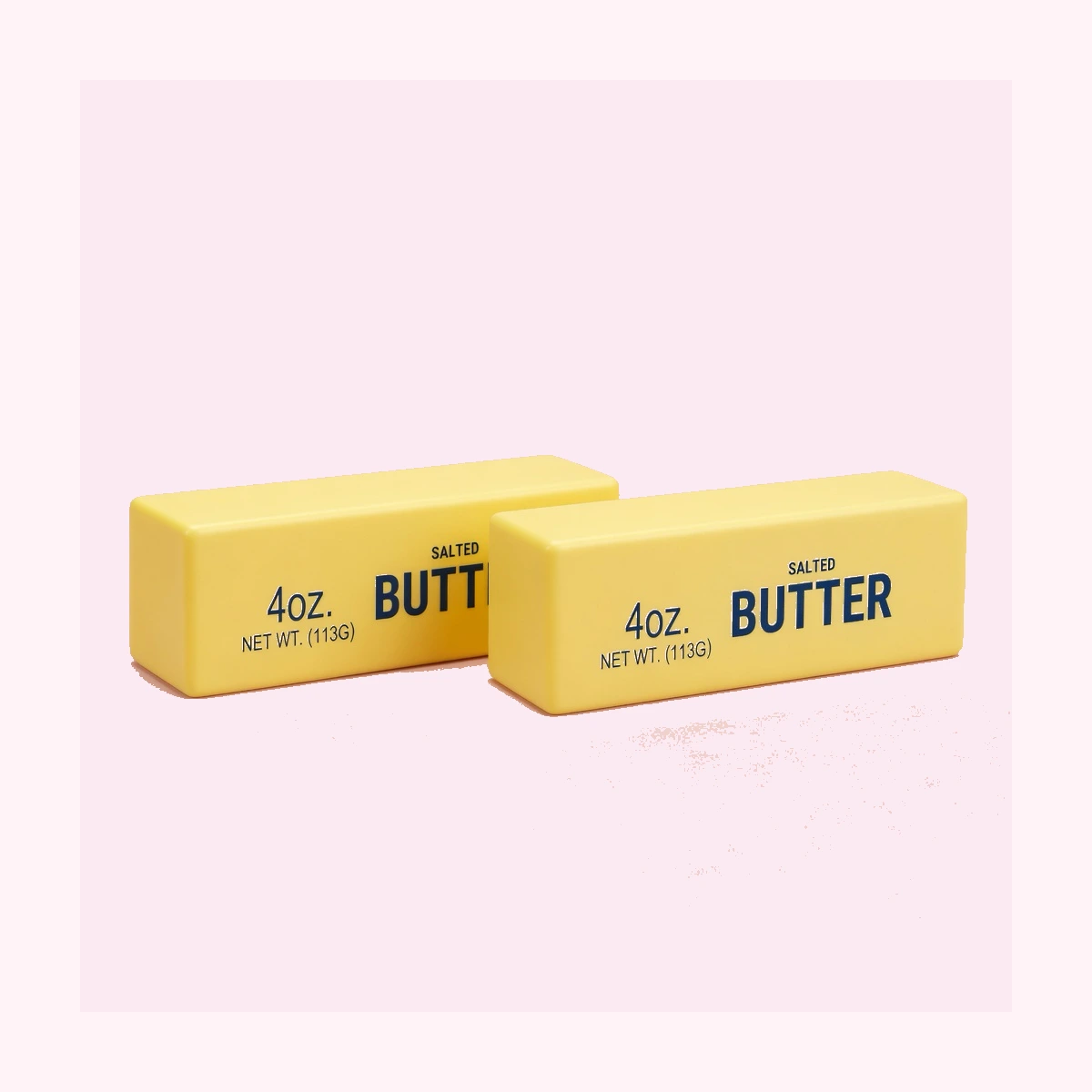
Shaped balls have less usable area than round ones. A ball moulded as a fruit, an animal or an object looks more interesting and gives the print almost nowhere flat to sit.
Texture eats detail. A ball with a moulded surface pattern will break up any print laid over it.
Ink sits on the surface. It is on the part of the object people squeeze hardest, and heavy use wears it. A ball handled daily for a year shows it.
Setup dominates small runs. The plate and the pad are made once, so the economics of print work change sharply with quantity rather than smoothly. This is why suppliers quote in bands.
When to Skip Printing Entirely
If the audience is small, the artwork is detailed, or the item is meant to be genuinely nice rather than branded, a plain ready-made ball usually beats a printed one. A good moulded shape with a clean surface reads as a considered object; a small logo on a generic ball reads as a giveaway.
It is also worth being honest about what the object is for. A printed ball works as a reminder of a name; it does not work as a carrier of information, because the surface that survives printing is too small for any.
The buy decision between branded and ready-made — cost, lead time, what each one signals — is covered in our custom stress balls versus ready-made comparison. This article is about what the printing process will and will not do once you have decided.
If You Do Print
Supply vector artwork, not a raster file. Set your minimum stroke weight generously. Choose the base colour deliberately, because it is doing as much work as the ink. Ask for a physical proof on the actual foam rather than a digital mock-up, since a mock-up cannot show you what the rebound does to your strokes. And put nothing on the ball that anyone needs to read at arm’s length.
Ready-Made Alternatives Worth Considering
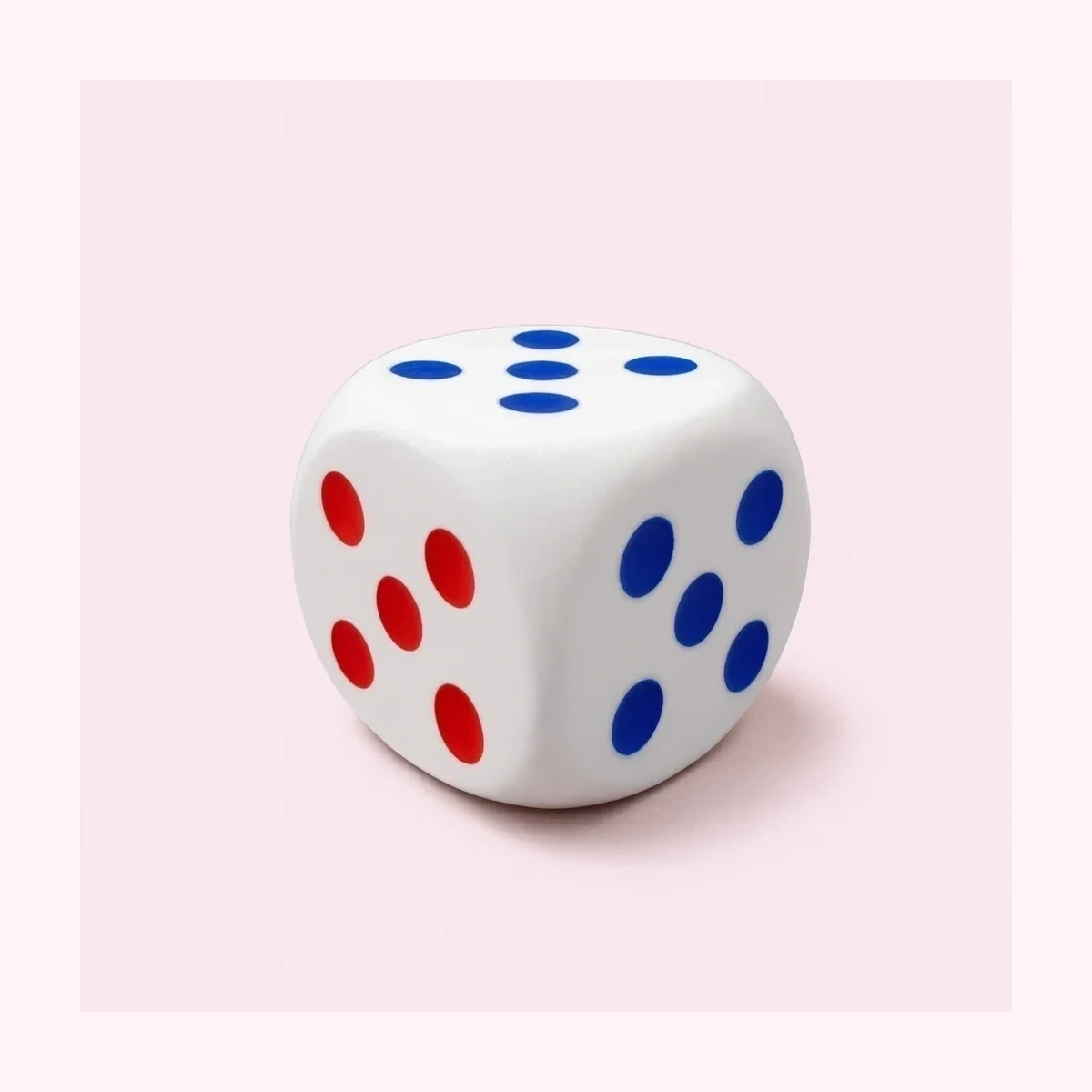
3-inch Foam Dice Stress Ball — moulded foam with flat panels and printed pips. A worked example of the rule above: the design lives on flat faces, not on a curve.
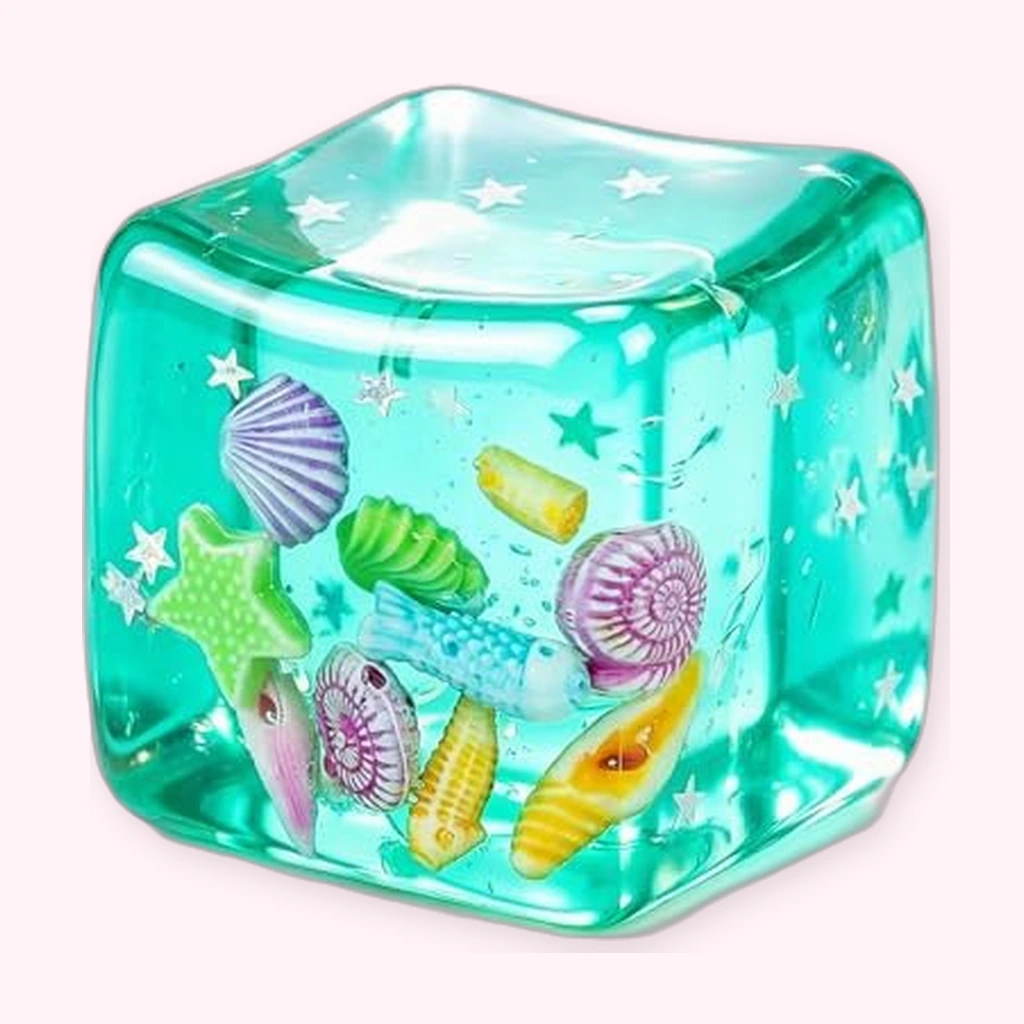
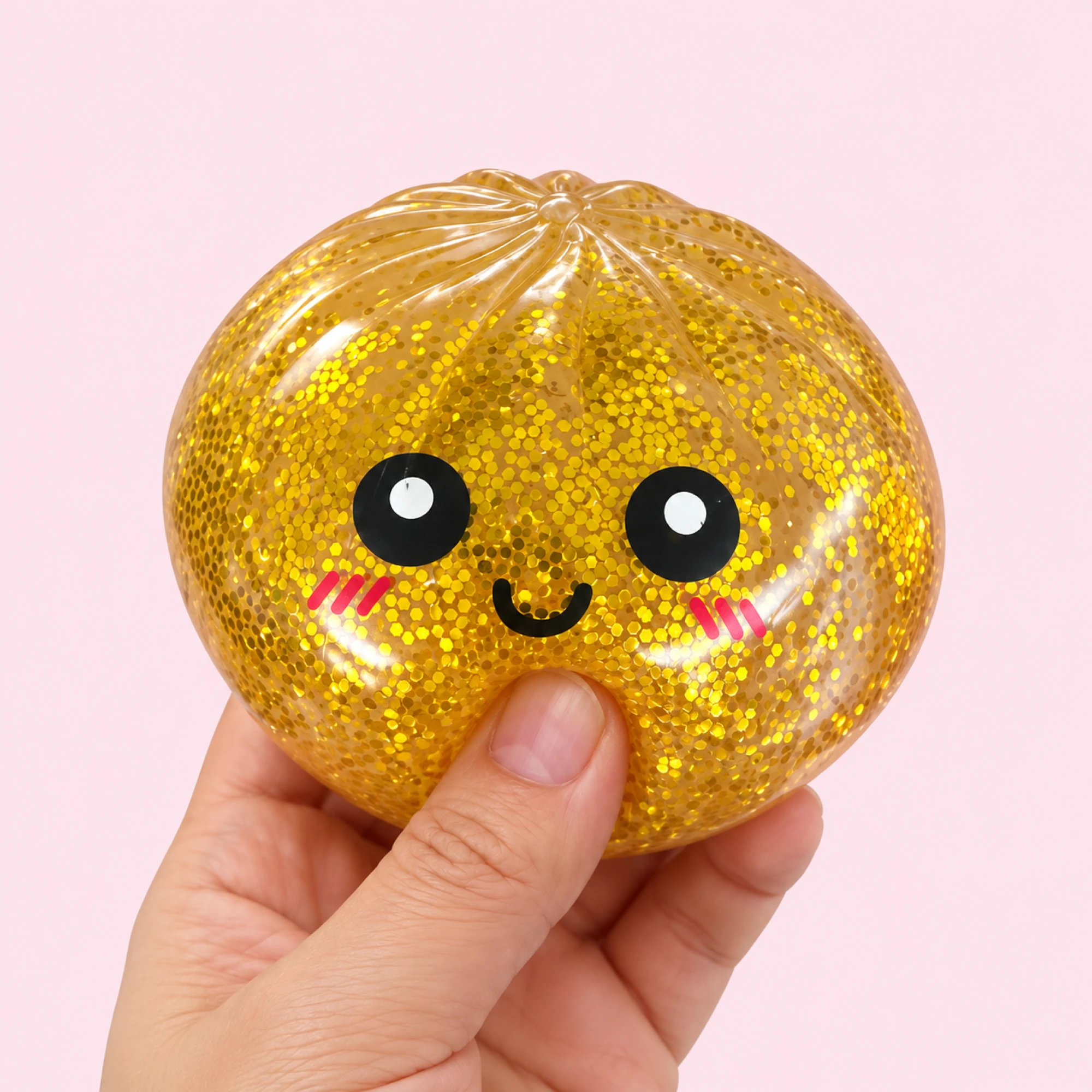
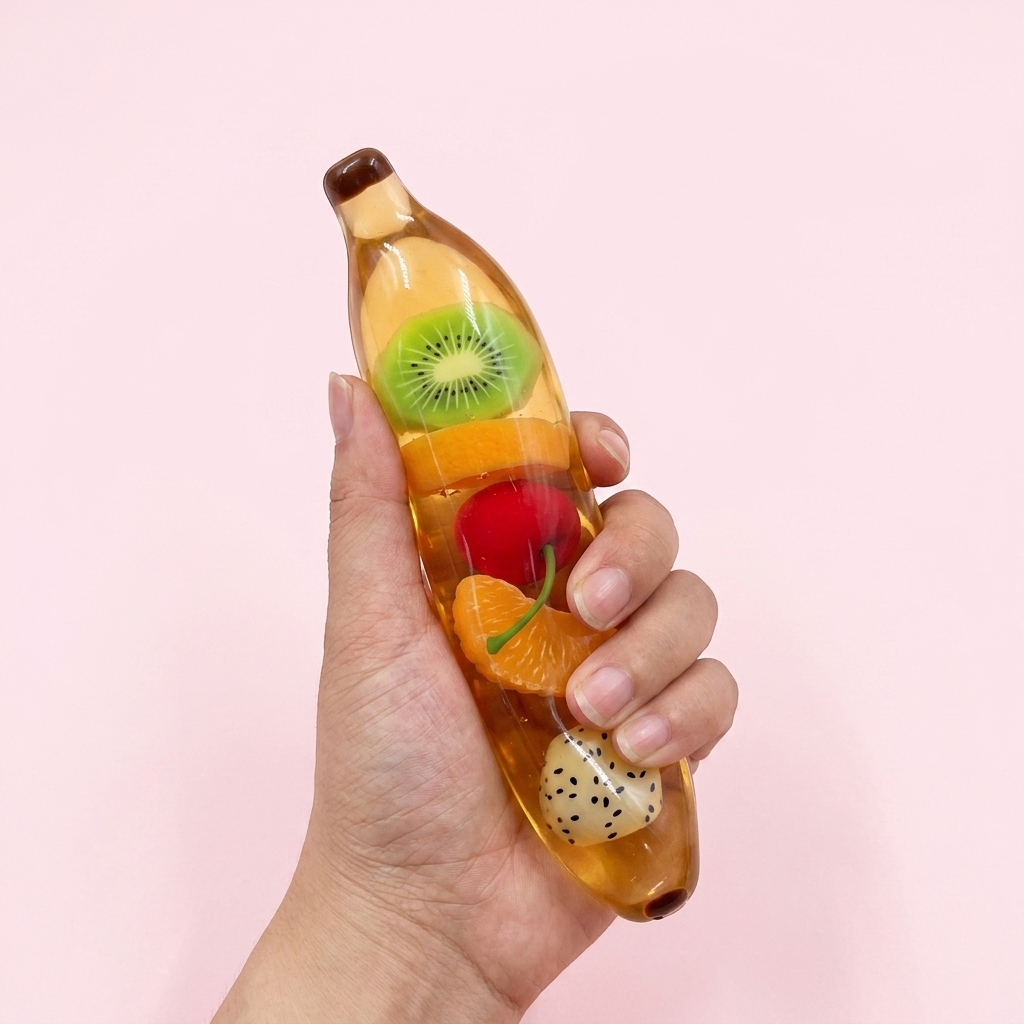
Fluid-Filled Watermelon Squishy — a 6 cm gel body where the pattern is moulded and coloured rather than printed, so nothing wears off.
Clear Coconut Oil Squishy Ball — transparent and moldable, the case where the material itself is the design.
Browse the fidget balls range for shapes where the moulding does the work, or see all fidget toys for the wider category. If the filling matters more than the surface, what the filling changes compares foam, gel, bead and moldable constructions.