

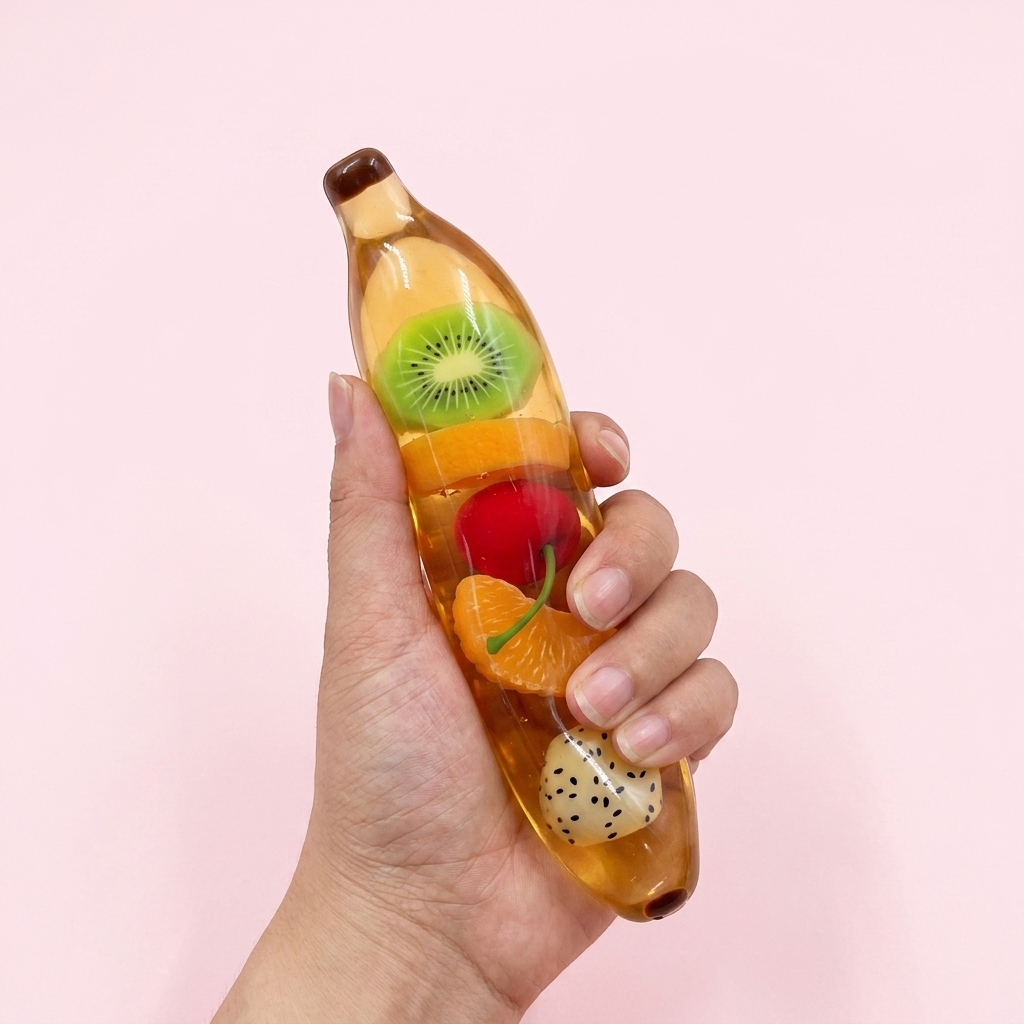

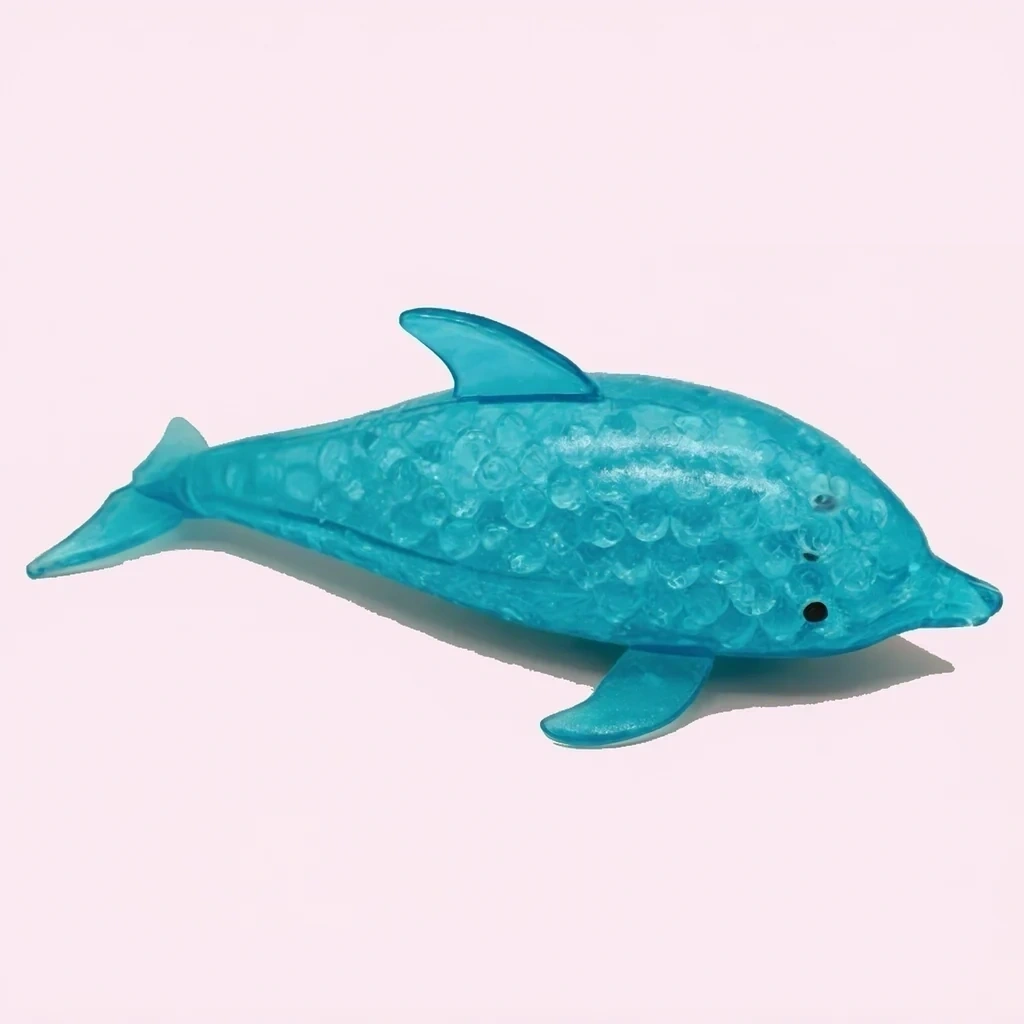
Make a fist right now. Hold it for five seconds, then let go slowly. That small tension-and-release loop is the entire working principle of a stress ball for anxiety: it gives wound-up muscles a job, pulls attention into your hand, and pairs naturally with slow breathing. It can genuinely take the edge off an anxious moment — as a coping tool, not a treatment.
What Squeezing Actually Does
Three ordinary mechanisms are doing the work, and none of them is magic.
Tension and release. Anxiety parks itself in the body — clenched jaw, tight shoulders, restless hands. Deliberately tensing a muscle and slowly releasing it is the same move that relaxation exercises have used forever; a ball just gives your hand something honest to do while it happens. The release half is the medicine, which is why slow-return foam feels better than a ball that snaps back instantly.
Attention with an anchor. Anxious thinking loops. A physical sensation — resistance building against your fingers, foam creeping back — gives attention a place to stand that isn’t the loop. It’s the same grounding logic as pressing your feet into the floor, but pocket-sized.
An outlet for the jitters. Restless energy wants a channel. A squeeze channel is quiet, private, and doesn’t involve refreshing any feeds.
Why a Stress Ball for Anxiety Works in the Moment
The moment is the key word. A ball shines in the sharp minutes — before a call you’re dreading, in a waiting room, mid-commute — because it’s always available and needs zero setup. The move that earns its keep: squeeze as you inhale for a slow count, release even more slowly as you exhale, and let the ball’s rise time set your pace. Slow-rising foam is a built-in metronome for exactly this, which is why so many of the picks in our best squishies for anxiety and stress relief roundup are slow risers rather than firm classic balls.
Compared with other pocket tools, the squeeze format has one advantage that sounds dumb and matters enormously: you’ll actually have it with you. We compared the whole toolbox in squishy vs slime vs stress ball vs fidget spinner — the winner is always the one that’s in reach when the moment hits.
Where the Limits Are
An honest ceiling: a ball helps you ride out a spike; it doesn’t touch the causes. If anxiety is steering your days — sleep, work, relationships — a foam tomato is not the intervention you need, and using one to avoid harder steps is a trap worth naming. This isn’t medical advice — if anxiety is running the show, talk to a professional. The ball works fine alongside real support; it’s a terrible substitute for it.
One more honest limit: tolerance. Any single tool fades when it becomes the only tool, so rotate — a squeeze, a short walk, a slow glass of water. The ball is simply the most portable of the three, which is why it gets top billing. Never because it’s the strongest.
Picking Your Squeeze: Firmness, Texture, Sound
Match the ball to how your stress behaves:
| If your stress feels like… | Reach for | From our shelf |
|---|---|---|
| A pressure spike that needs wringing out | A moldable ball you can crush and reshape | Kiwi Slushie Squishy Ball |
| Restless fingers that need slow feedback | A fluid-filled, weighty slow-riser | Watermelon Squishy stress ball |
| Tension that wants a little dark comedy | Something absurd enough to make you exhale | Bloodshot Eyeball Squeeze Toy |
Texture preferences are personal and weirdly strong — some hands want drag and density, some want jelly give. The broader squishy collection covers the spectrum, and the 30-Day Squishfaction Guarantee exists because the only real test is a week in your actual hand.
A Routine You’ll Actually Use
Skip the elaborate protocols. This one survives real life:
- Keep the ball where the anxiety happens — desk, car console, coat pocket. Visibility is the whole system.
- When you notice the spike, squeeze on a slow inhale, release on a slower exhale. Five rounds.
- Let the rise finish completely before the next squeeze. The waiting is part of it.
- If five rounds didn’t dent it, change something bigger: stand up, walk, water on your face. The ball is step one, never the whole plan.
FAQ
Do stress balls really help with anxiety? For in-the-moment spikes, yes — the tension-release loop and the attention anchor are real, ordinary mechanisms, and they work better paired with slow breathing. For ongoing anxiety, treat a ball as a pocket assist alongside proper support, not instead of it.
What’s the best stress relieving ball firmness? Softer and slower than you’d guess. Firm balls suit people who want effort; for calming, most hands do better with dense slow-rise foam where the release phase drags out. If your grip tires quickly, always err soft.
How is a squishy different from a classic stress ball? Classic balls are firmer and snap back fast; squishies are slower, softer, and give you that watchable recovery. For breath pacing, the slow rise is the feature — it makes rushing physically impossible.
Can kids use one for anxious moments? Sure — squeeze-and-breathe works at any age, and squishies are rated 3+. Frame it as a calm-down tool rather than a toy being confiscated into service, or it loses its charm within the week.