


Squeeze toys get grubby faster than almost anything else on a desk, because they are handled constantly with whatever is on your fingers. Knowing how to clean a stress ball matters mainly because the obvious approaches — the alcohol wipe within reach, a soak in the sink, a scrub with anything abrasive — are the three that do permanent damage, and the damage does not appear until afterwards.
Start by Identifying the Construction
The rules differ by what is inside, so this is the first step rather than a detail.
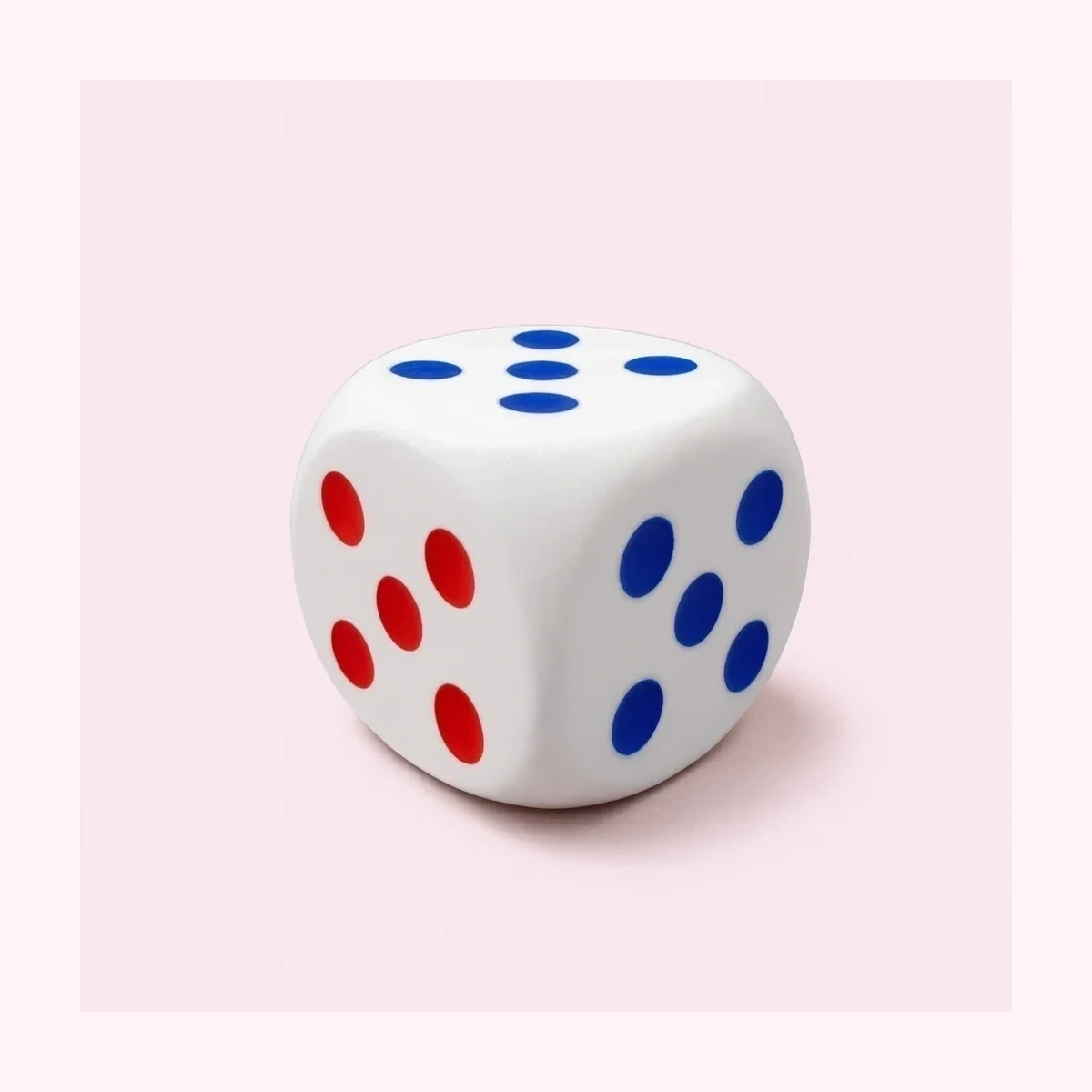
Solid closed-cell foam. One piece of material, no skin, nothing inside. The most forgiving to clean.
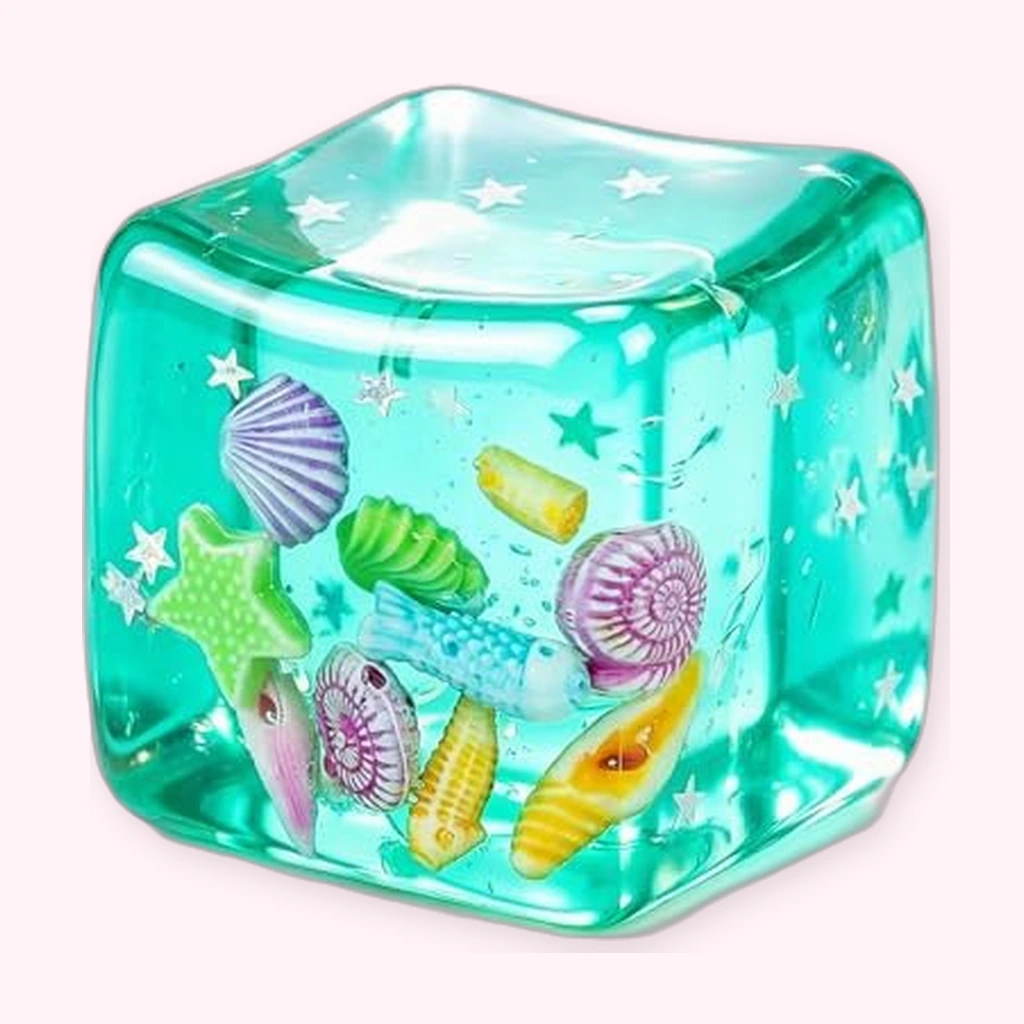
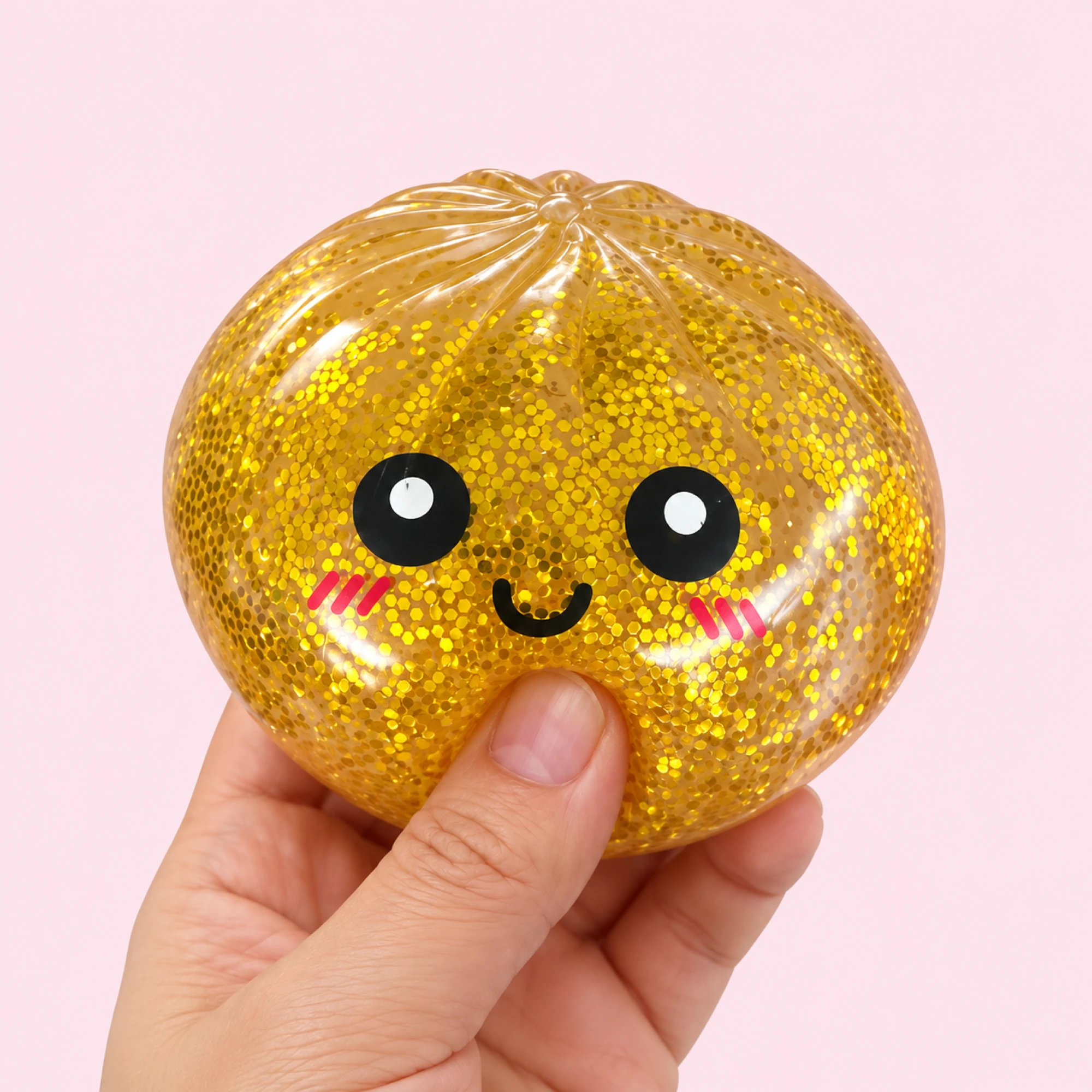
Gel or fluid filled. A thin skin over a liquid. The skin is the only thing between you and a mess, and it is the part cleaning products attack.
Bead or water-bead filled. A skin over many small solids, usually with a seam. Water that gets past the seam has nowhere to go.
Open-cell slow-rising foam. Interconnected cells, which means it absorbs liquid like a sponge and holds it deep inside.
If you are not sure which you have, the three-step identification in what is in a stress ball takes a few seconds.
How to Clean a Stress Ball by Type
Solid closed-cell foam. Lukewarm water with a drop of plain washing-up liquid on a cloth. Wipe, rinse the cloth, wipe again to remove the soap, then pat dry and leave it out to air. It can take a brief rinse under a tap if it is genuinely dirty; it cannot take a soak.
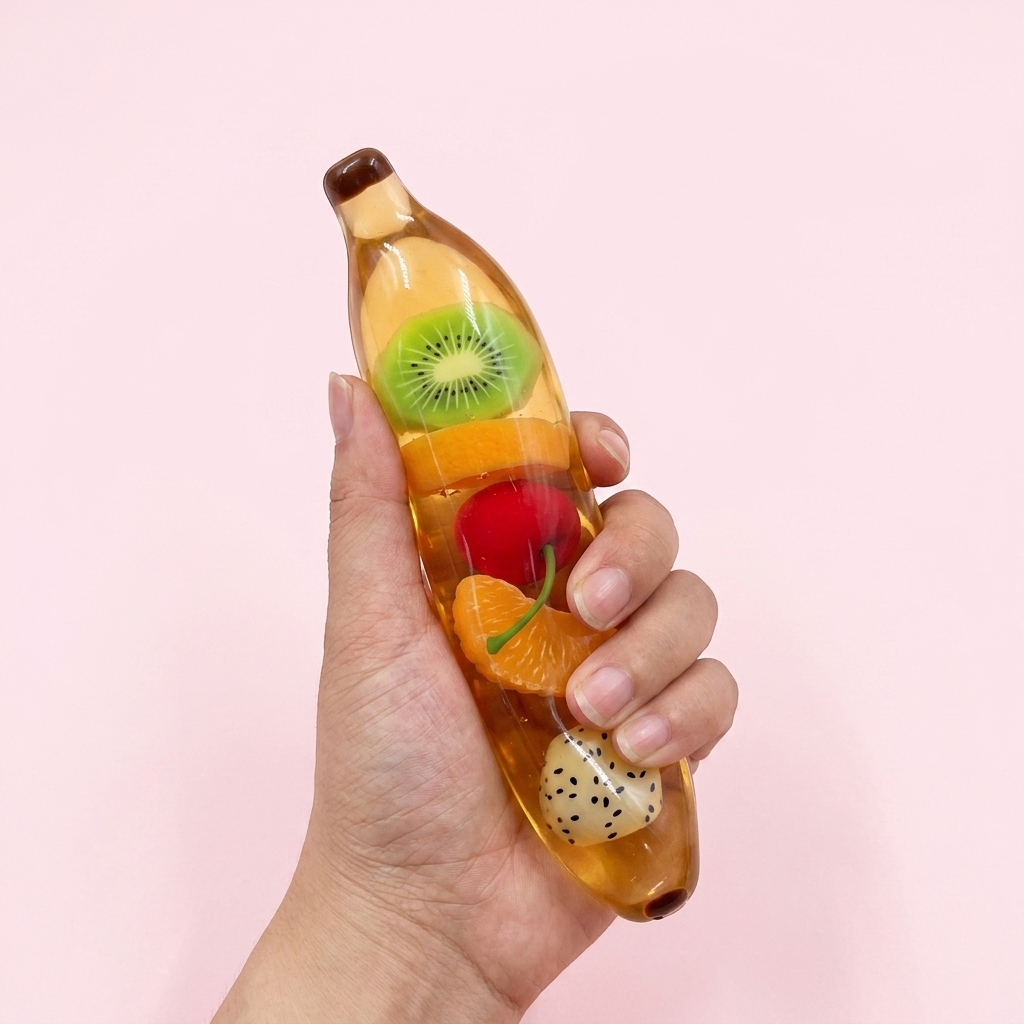
Gel or fluid. Damp cloth only, no soap if you can avoid it. Dry immediately. Never submerge, because the seam around the fill point is the weakest part and water pressure works against it.
Bead filled. Damp cloth, and keep water away from any visible seam. If a bead-filled toy has already got wet inside, there is no reliable way to dry it out and it will eventually smell.
Open-cell slow-rising foam. This is the hardest case. It absorbs anything you put on it and releases it slowly, so use a barely damp cloth and accept that deep staining is permanent. Do not wring water into it and do not use a soaking sponge.
What Never to Use
Alcohol, sanitiser and solvent wipes. They strip plasticiser out of soft polymers, which leaves the surface hard, cloudy and eventually crazed. This is the single most common way people ruin a clear or pale toy, and the damage is not reversible — the same crazing described in glitter stress ball constructions.
Bleach and oxygen cleaners. They do not reverse yellowing, and they attack the surface while failing.
Abrasives. Any scouring pad or powder leaves a permanently dulled patch, and on textured surfaces it flattens the texture that made the toy worth having.
Hot water and machine washing. Heat softens and permanently changes foams, and a machine’s agitation splits skins.
Oil-based cleaners and furniture polish. They leave a residue that collects dust faster than the dirt you removed.
Drying, Which Matters More Than Washing
Most damage happens after cleaning rather than during it.
Pat dry with a towel rather than rubbing, then leave the toy somewhere with moving air and no direct heat. A windowsill is the wrong answer even though it seems obvious, because sunlight yellows pale materials quickly — one of the three ageing processes covered in yellow, sticky or hard.
Never dry one on a radiator, in an airing cupboard or with a hairdryer. Heat is what stiffens foam permanently, and a toy that survives the wash and then cooks on a radiator has been ruined by the drying rather than the cleaning.
Give it longer than you think. Open-cell foam feels dry on the surface while still holding water in the middle.
The Tackiness Case, Which Is Different
A toy that feels greasy rather than dirty is not dirty — it is leaking plasticiser to the surface. Washing with water and a little washing-up liquid removes what has arrived so far and buys weeks rather than months, because more will follow.
That is the one cleaning job with a genuinely good outcome and a known expiry, and it is worth repeating rather than replacing the toy.
Hard Fidgets Are Easier
Metal, acrylic and silicone objects take a damp cloth without complaint, and silicone in particular can be washed properly. Bearings are the exception: keep water out of them entirely and clear lint with air instead, as set out in the fidget spinner bearing explained.
How Often, and When Not to Bother
Wipe a desk toy when it visibly needs it rather than on a schedule. Every cleaning is a small amount of wear, and a toy that gets cleaned weekly ages faster than one cleaned when it is actually dirty.
Do clean it after anyone else has handled it, before putting it away for a season, and any time it has been somewhere greasy — a kitchen, a workshop, a bag with food in it.
Do not bother trying to restore one that has already yellowed, gone stiff or split. Those three are end states rather than cleaning problems, and effort spent on them is effort wasted. The diagnosis for which one you are looking at is in yellow, sticky or hard.
Three That Clean Easily
3-inch Foam Dice Stress Ball — solid closed-cell foam, no skin and no seam, so a damp cloth is genuinely enough.
Silicone Sensory Stones — silicone solids that can be washed properly and dried in minutes.
Orange Yellow Press and Spin Fidget Ball — a hard body where none of the soft-toy cautions apply at all.
Browse the fidget balls range, or all fidget toys if you would rather own something that does not need this care in the first place.