



Shops use the two labels almost interchangeably, which is why the difference between fidget toys and sensory toys is one of the most common questions in the category and one of the least clearly answered. There is a real distinction, it is about purpose rather than product, and the same object can sit in either camp depending on what you are asking it to do.
The Distinction in One Line
A fidget object exists to occupy your hands. A sensory object exists to deliver a particular quality of input — a texture, a temperature, a resistance, a sound.
That is the whole difference, and it explains the overlap: most things that occupy hands do so by providing input, so the categories share most of their members. What differs is which property you are choosing for.
Buying a fidget, you ask: can I use this without looking, for a long time, while doing something else?
Buying for sensory input, you ask: is this specific feeling the one I want?
Where the Difference Between Fidget Toys and Sensory Toys Shows Up
In how much variety matters. A fidget benefits from depth in one mechanism, because you will use it thousands of times. A sensory selection benefits from breadth, because different inputs suit different moments — something rough, something cool, something that gives way.
In whether it needs to be discreet. Fidget use usually happens alongside something else, in public or at work, so silence and invisibility matter. Sensory use is often deliberate and private, where neither constraint applies.
In durability expectations. A fidget is used constantly and has to survive that. A sensory object may be picked up occasionally and does not.
In what counts as a failure. A fidget that stops being interesting has failed. A sensory object that delivers exactly the same input every time has succeeded.
Objects That Are Clearly One or the Other
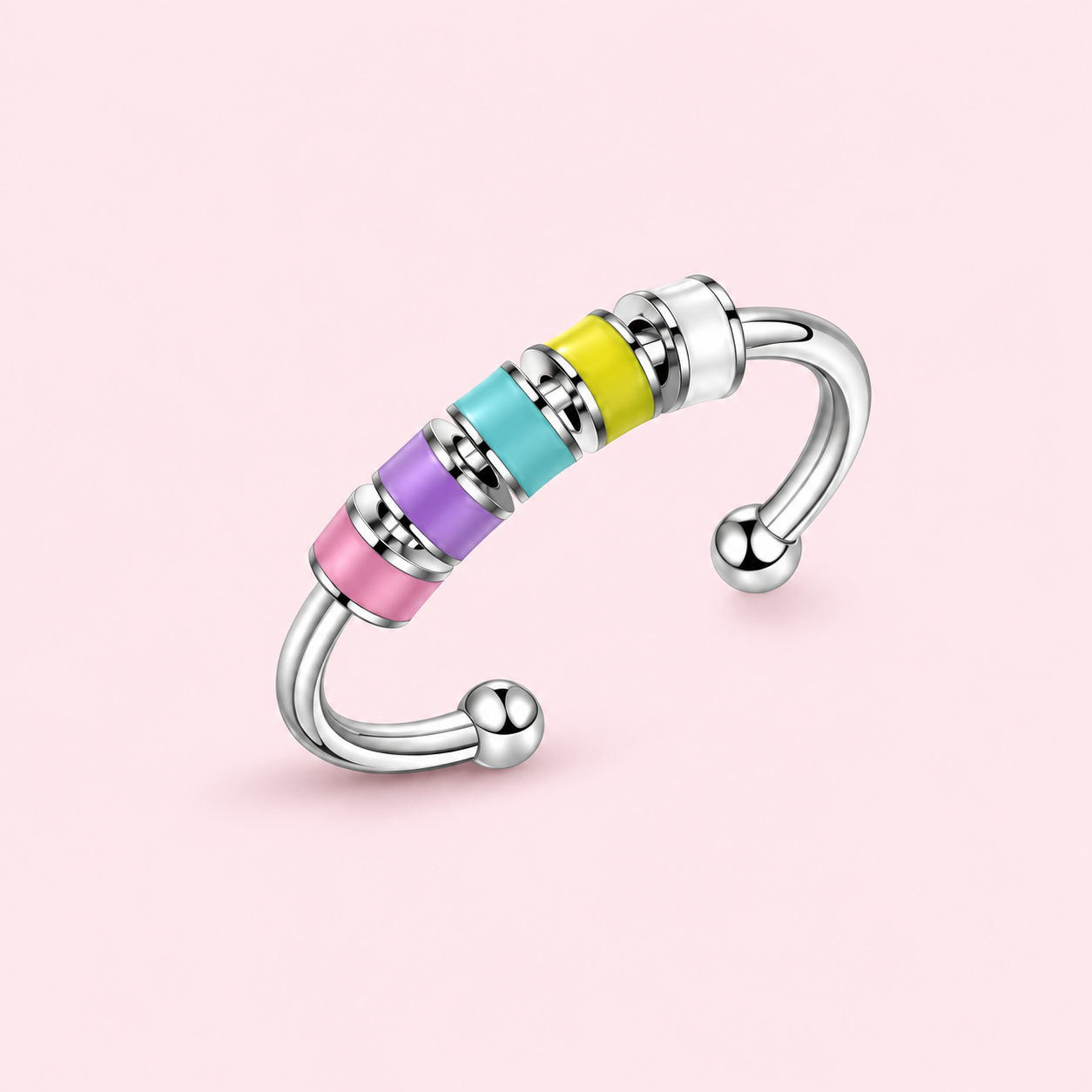
Firmly fidget: spinners, clickers, sliders, folding cubes. These are mechanisms. The input they give is a by-product of the action, and nobody buys a spinner for how it feels to the skin.
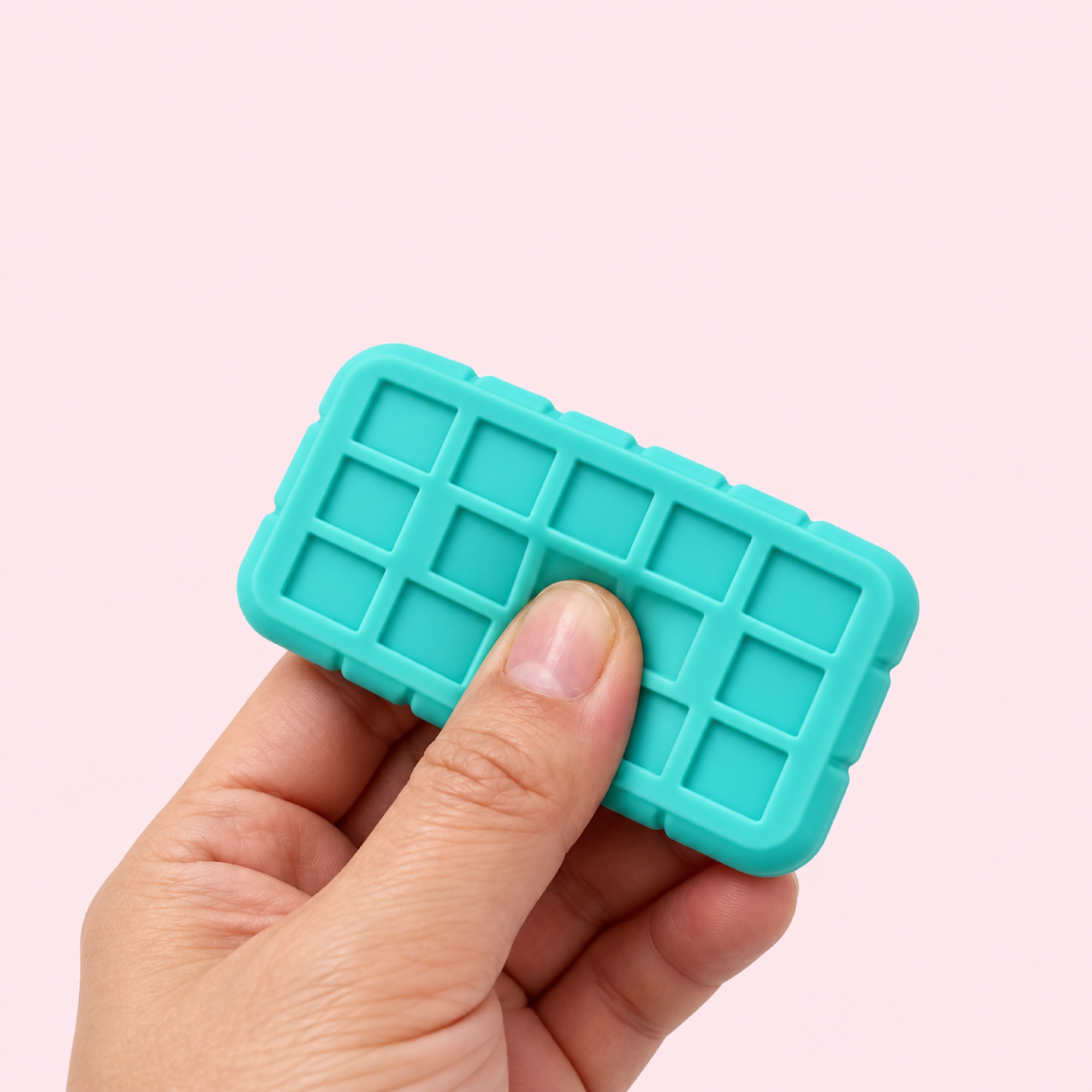
Firmly sensory: textured stones, temperature-holding objects, materials chosen for one particular surface. The Silicone Sensory Stones sit here — soft solids with a raised pattern, no mechanism at all, and the entire point is the surface under a thumb.
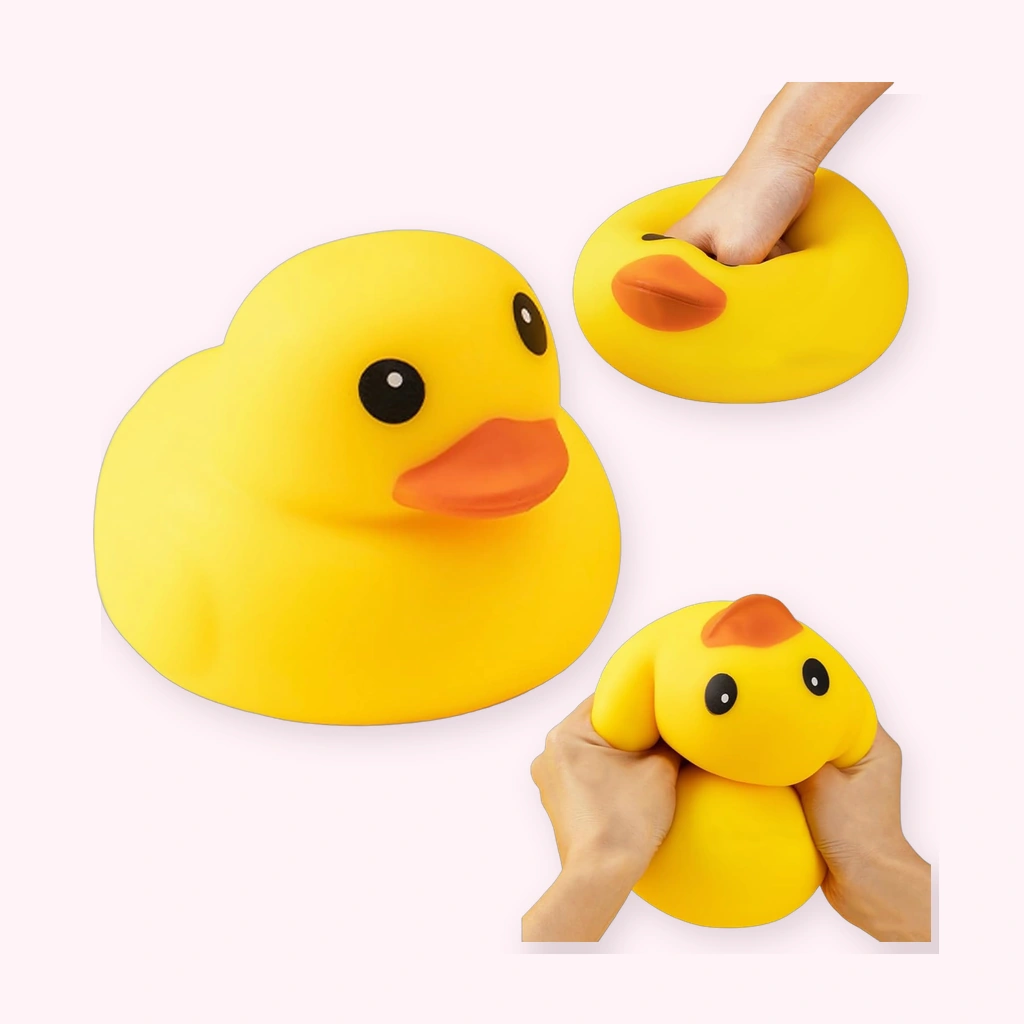
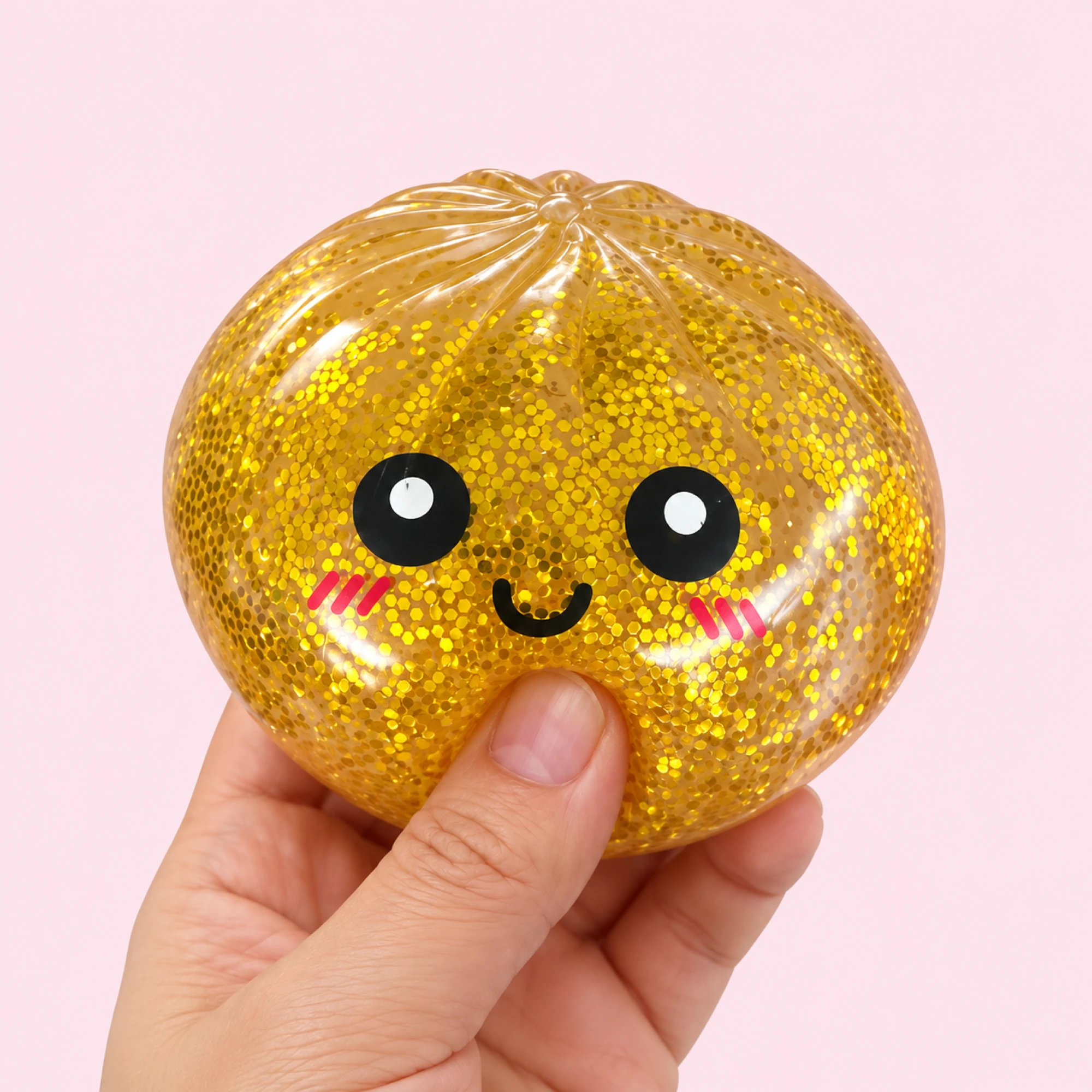
Comfortably both: squeeze toys. Compression is a mechanism and a sensation at once, which is why soft goods appear under both labels everywhere.
The eight-way breakdown of hand actions in types of fidget toys cuts across this cleanly: rotation, pressing, sliding and folding are mechanism-led, while tracking a texture and compressing are input-led.
Why the Labels Get Blurred in Shops
Partly because the same customer buys both, and partly because “sensory” reads as more purposeful than “toy” and therefore sells better. That is worth knowing when reading any listing: the label tells you how something is marketed, not what it does.
The practical reading is to ignore both words and look at the object. Does it have a moving part? Then it is being bought for the action. Is the appeal a surface or a material? Then it is being bought for the input. Some things are genuinely both, and those are the most forgiving purchases for someone who does not yet know their own preference.
Choosing Between Them for Yourself
If you find yourself needing something to do with your hands while you concentrate, you want a fidget, and the selection criteria are availability, discretion and durability — the shortlist logic in the everyday-carry shortlist.
If you find yourself seeking out a particular feeling — pressing a thumb into something, running fingers over a texture — you want sensory input, and the criteria are entirely about the material.
Most people want both at different moments, which argues for one mechanism object and one texture object rather than two of either.
Choosing for Someone Else
Harder, because you are guessing at a preference you cannot observe.
The safe route is an object that satisfies both readings: something soft with a defined texture, which gives input if that is what they want and occupies hands if it is not. Compression is the most universally tolerated action, which is why it is also the right default for a group, as set out in bulk fidget toys.
The risky route is a mechanism, because mechanisms are strongly liked or ignored, with very little middle ground.
One Test That Settles It
If you are unsure which you are shopping for, answer this: would you still want the object if it made no sound, had no moving parts, and looked like nothing?
Yes means you are buying input, and the material is the product.
No means you are buying a mechanism, and the material barely matters as long as it holds up.
People are usually certain of their answer within a second, and it is a better guide than any category label on a shop page.
Three Objects Across the Line
Silicone Sensory Stones — pure input. Textured solids with nothing to operate.
3-inch Foam Dice Stress Ball — both at once. A mechanism you work against and a material you feel.
Magnetic Silicone Slider — mechanism-led, with a ridged face that still gives the thumb something to read.
Browse the sensory fidget toys range for the input-led end, or all fidget toys if what you want is something to do rather than something to feel.