

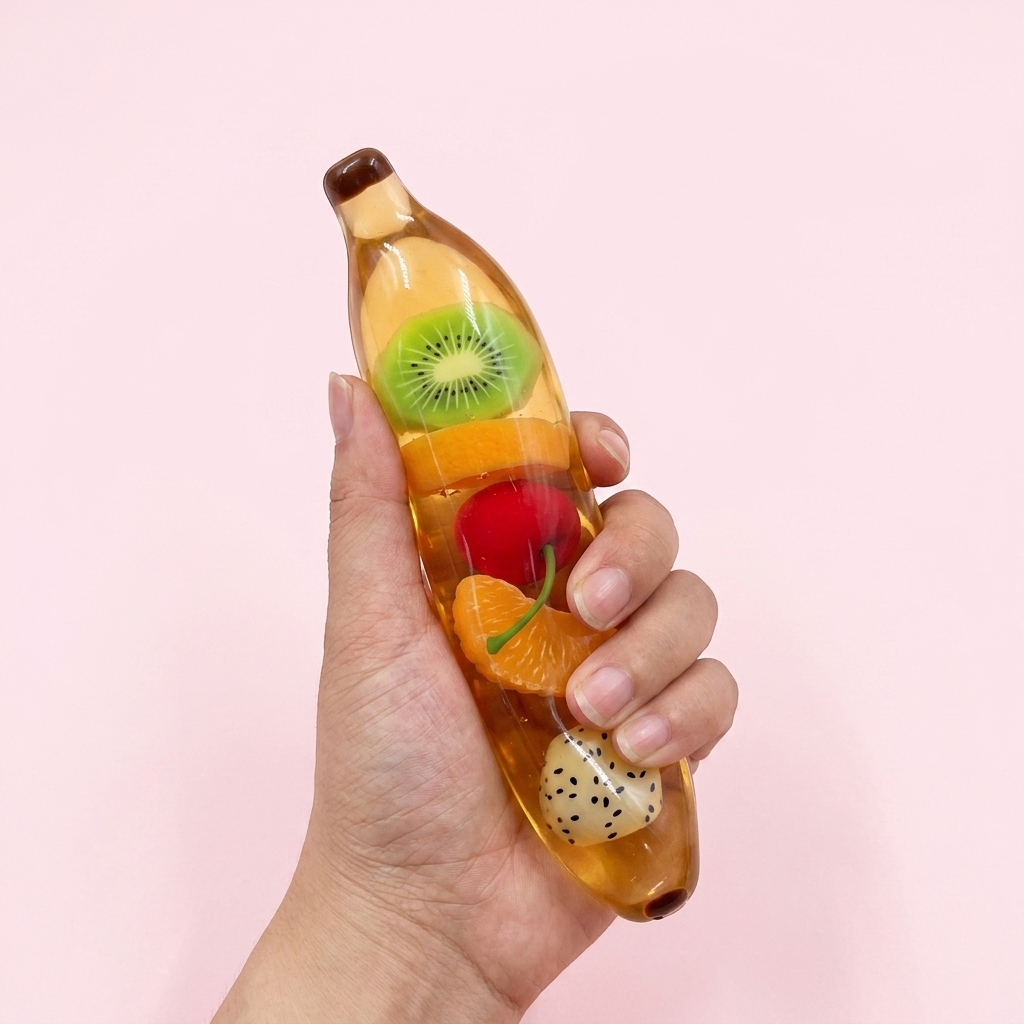


The timer hits zero and you have five minutes. Most of us spend them on our phone, which is why break number four feels worse than break number one. Better study break ideas share one trait: they change the inputs the work was using. A slow-rising squishy gives your eyes and hands a reset that your feed never will.
Why Phone Breaks Don’t Feel Like Breaks
A phone break is the study session wearing a hat. Same chair, same posture, same screen distance, same scrolling thumb — nothing about your body gets the memo that a break happened. Your eyes never refocus past arm’s length, your hands never touch a different texture, and the timer’s return feels like a rude interruption of neither work nor rest.
There’s also the exit problem. A five-minute phone break has no natural ending — the feed is bottomless by design, so “one more scroll” quietly becomes twelve, and now you’re re-reading the same paragraph of notes trying to remember where your brain was parked. The re-entry cost is the hidden tax: a break that runs long doesn’t just steal minutes, it steals the warm-up you’d already paid for.
A real break flips the inputs: stand instead of sit, far instead of near, soft instead of glass. That’s the entire design brief behind the ritual below.
Study Break Ideas Built Around One Squishy
Here’s the Pomodoro Squish — five minutes, four moves, nothing to install.
| Minute | What you do |
|---|---|
| 0–1 | Stand up, roll your shoulders, look out a window at the farthest thing you can find |
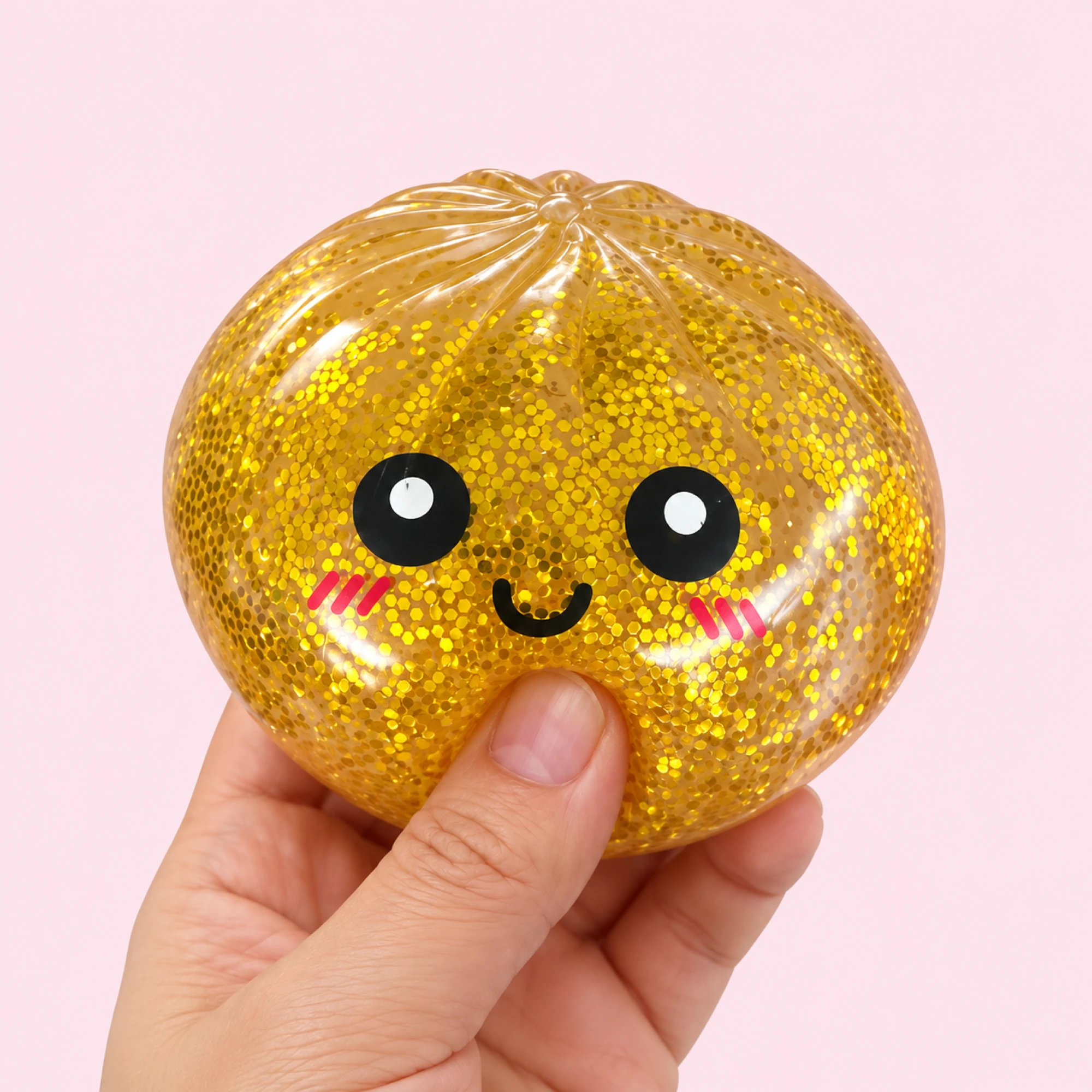
| 1–3 | Slow squeezes: press through a long exhale, let the squishy rise back on the inhale |
| 3–4 | Flatten it completely and watch the entire rise, start to finish, phone out of reach |
| 4–5 | Water, sit back down, write one line: the very next small step |
The squeezing minute matters more than it looks. Hands hold a surprising amount of the tension from an hour of gripping a pen or hovering over a keyboard, and a dense squishy takes it without complaint. The watching minute is the phone replacement: a slow-rising squishy re-forming is exactly enough spectacle to hold your eyes without hooking them. We compared textures in the slow-rising vs fast-rising guide — for break rituals, slow wins by a mile.
The Pomodoro Part, Softer Edition
The classic pattern: a focused sprint of about twenty-five minutes, a short break, and a longer break after four rounds. It works until the short break becomes more magnetic than the work — which is the phone problem in one sentence.
A squishy break has a built-in exit. The ritual ends, the squishy sits still, and there’s nothing left to refresh. That’s the underrated feature: it doesn’t fight you for the next work block. On long breaks, take the squishy for the walk — pocket-size means the reset travels.
It’s also library-legal, which phone breaks barely are and snack breaks definitely aren’t. The entire ritual is silent — no crinkle, no chime, no video leaking through headphones — so you can run it at a shared table without collecting a single glare. Study groups can even sync up: when one timer goes off, the whole table stands, squeezes, and sits back down together like a very soft pit crew.
Exam season note: the ritual scales down. Even between back-to-back review blocks, thirty seconds of slow squeezes and one full watched rise beats a “quick check” of anything with a notification badge.
Focus Rituals: Make It Automatic
A ritual sticks when the object and the place never change. Give the squishy one home — next to the timer, not in the pencil cup — and one rule: it only gets touched during breaks. Scarcity keeps it interesting for months. It’s the rare toy you’re told not to play with, constantly, on purpose.
Build the rest of the break station around it and the ritual runs itself: a full water bottle within reach, the phone charging across the room (its natural habitat during sprints), and the squishy sitting on the timer like a small orange paperweight guarding your rest. When everything the break needs is already staged, the five minutes start instantly instead of leaking into setup.
The orange butter squishy is a good dedicated break piece: palm-size, dense, and bright enough to mark the “rest” spot on your desk like a tiny traffic cone. Study groups do better with an assorted multi-color set, which arms the whole table and ends the whose-is-this wars, and the butter squishy collection has more textures if dense isn’t your thing.
If you’re also tempted to knead something during the work blocks, that’s a different job with different rules — our post on whether fidget squishies help focus covers it. Keep the break squishy separate either way.
FAQ
What are good study break ideas that don’t involve a phone? Anything that changes posture, focal distance, and texture: stand and stretch, stare out a window, do slow squeezes on a squishy, refill your water. The test is simple — if your thumb is scrolling, it’s not a break.
How long should a study break be? In the pomodoro pattern, short breaks run around five minutes with a longer one after several rounds. The exact numbers matter less than the break using different inputs than the work did.
Why a slow-rising squishy instead of a stress ball? The rise is the feature. A stress ball snaps back instantly, but a slow riser gives you something to watch that can’t be hurried — a built-in pace car for the break.
Does this work for work-from-home jobs too? Completely — swap chapters for meetings and the ritual holds. The desk fidget version is tuned for the office-shaped day.