Evidence and product review updated August 2026 · Funny Squishy team
People searching for a hand therapy ball for arthritis may be comparing a graded rehabilitation tool with a soft toy. Those are not interchangeable categories. Osteoarthritis, rheumatoid arthritis, tendon problems, nerve symptoms, injury, and post-surgical recovery can all affect a hand differently. A squishy is not a medical device, and this store cannot prescribe squeeze exercises, resistance, repetitions, or a joint mobility program.
Arthritis, Joint Mobility, and the Evidence Boundary
Arthritis can involve pain, stiffness, swelling, reduced joint mobility, inflammation, weakness, deformity, or fatigue, but the pattern varies by diagnosis and person. The American College of Rheumatology and Arthritis Foundation osteoarthritis guideline recommends exercise for hand osteoarthritis while noting that evidence is insufficient to prescribe one ideal type, intensity, frequency, or duration. It also says supervised exercise is often more effective.
The American College of Rheumatology rheumatoid arthritis guideline conditionally recommends hand therapy exercises for people with hand involvement, based on low-certainty evidence. It specifically points to an experienced hand therapist to tailor the design and intensity. Neither guideline identifies a retail squishy as a universal hand therapy ball for arthritis.
Can a Squishy Replace a Graded Hand Therapy Ball?
No equivalence has been established. A clinical hand therapy ball, therapeutic putty, or other rehab tool may have a stated resistance level, dimensions, cleaning method, and intended use. A fluid squishy may be sold for play or comfort without calibrated resistance. Softness by itself does not prove low load, even pressure, safer grip strength work, or suitability for swollen joints.
| Feature to check | Graded therapy product | Retail squishy |
|---|---|---|
| Intended use | May be labeled for exercise or rehabilitation | Usually a toy or novelty item |
| Resistance | May provide a named or measured grade | Often unmeasured and may vary by shape or batch |
| Clinical fit | Selected as part of an individualized plan | Not evidence of suitability for arthritis |
| Safety information | Use the device instructions and clinician's limits | Use the toy's age label, material statement, warnings, and care instructions |
Why This Page Does Not Prescribe Squeeze Exercises
A fixed routine such as holding every squeeze for three seconds, pinching with selected fingers, rolling a toy over the wrist, or repeating a movement daily could be too easy, too difficult, or inappropriate. More squeezing does not automatically increase synovial fluid, loosen tendons, restore grip strength, or improve joint mobility. Pain is not the only stop signal; swelling, warmth, numbness, tingling, weakness, locking, skin injury, or worsening function also need attention.
An occupational therapist, physical therapist, certified hand therapist, rheumatology professional, or other qualified clinician can assess which joints are involved, whether active inflammation is present, what movement is available, and whether resistance belongs in the plan. A retailer cannot make those decisions from age, a diagnosis label, or a product photo.
What to Ask Before Using Any Squeeze Object
- What is the goal? Comfort, range of motion, coordination, and grip strength are different goals and may need different tools.
- Is resistance appropriate now? Recent surgery, a flare, unstable joints, tendon irritation, nerve symptoms, or unexplained pain may change the answer.
- What dose was prescribed? Ask for the movement, resistance, repetitions, frequency, rest, and stop conditions rather than copying a generic routine.
- How will progress be measured? A clinician may use function, pain response, motion, or a calibrated grip measure—not how deeply a squishy dents.
Product Example: Compare It as a Toy

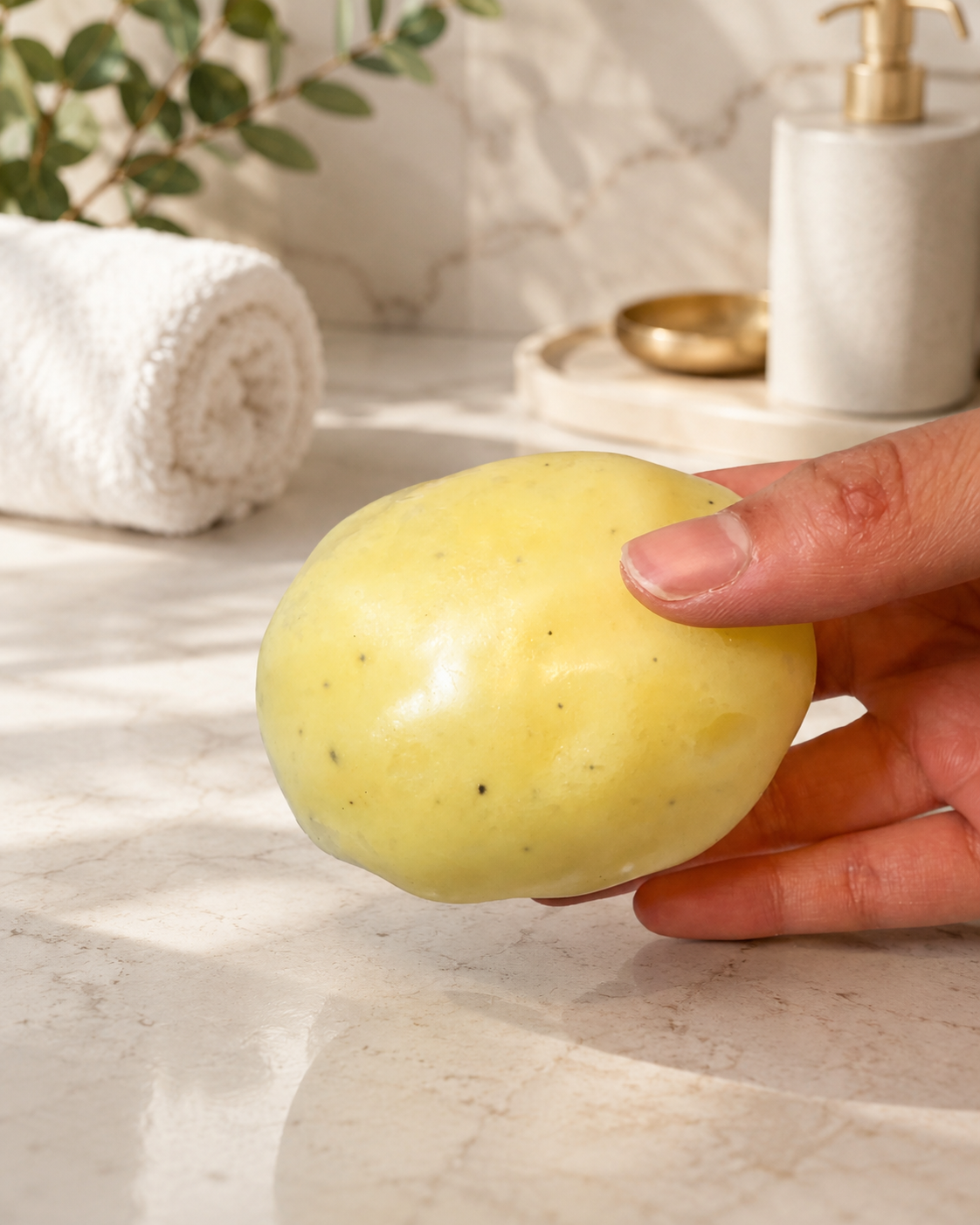
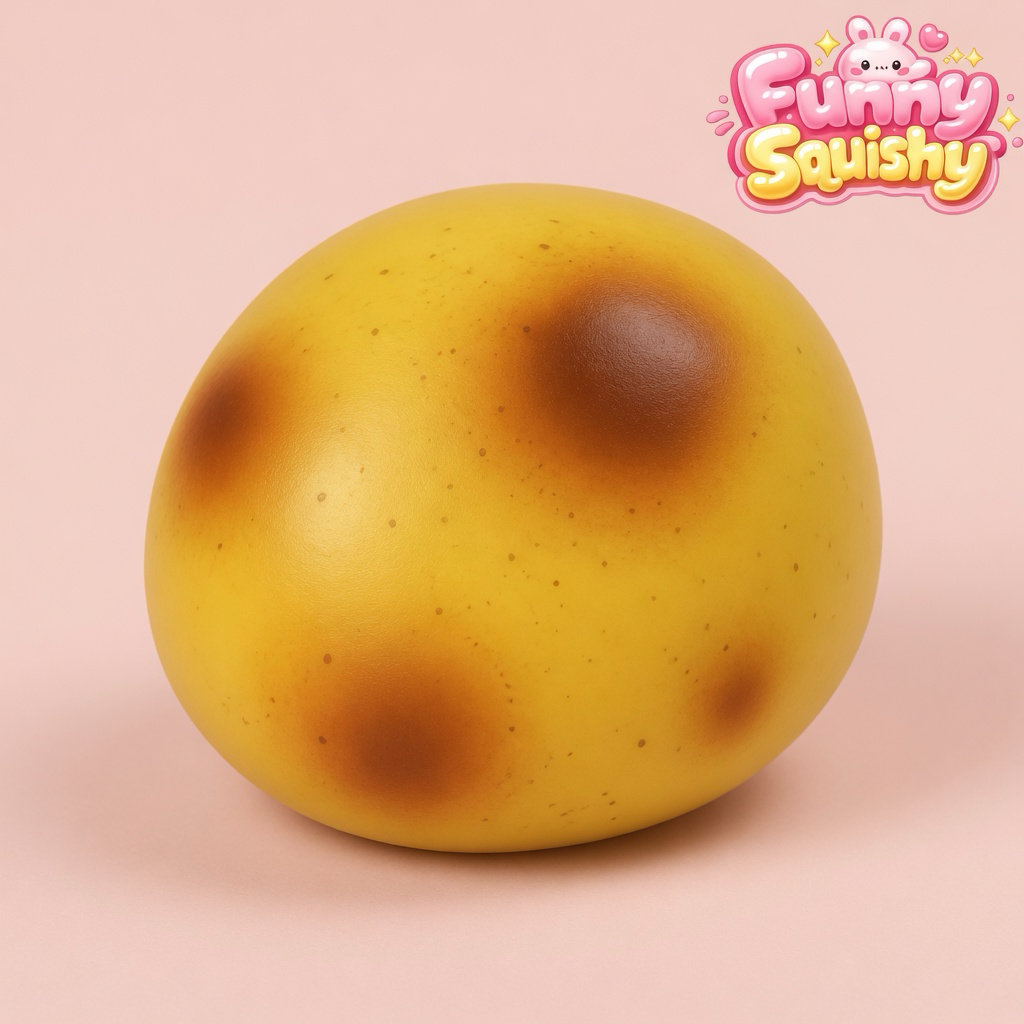
The image shows a retail squishy, not a demonstrated arthritis exercise or clinical result.
The Fluid Potato Squishy — Slow-Rising Clay-Feel Squishy Spud Stress Ball can be compared by current dimensions, weight, listed material, surface, care instructions, age label, warnings, and return terms. Its clay-feel description does not prove that it is a hand therapy ball for arthritis, removes pressure points, reduces inflammation, or improves joint mobility.
Frequently Asked Questions
What is the safest hand therapy ball for arthritis?
There is no single safest ball for every form of arthritis. Ask a qualified clinician to match the tool and resistance to the diagnosis, current symptoms, joint stability, and goal. Then follow the exact product instructions.
Can a squishy improve grip strength?
Handling a resistive object uses hand muscles, but that does not prove a toy will deliver a safe or effective grip strength program. A graded tool and clinician-guided progression provide information a novelty squishy usually does not.
Are soft squeeze exercises always safe during an arthritis flare?
No. Soft appearance does not establish safe resistance, and active pain, swelling, heat, or reduced function may require a different plan. Do not use this page as an occupational therapy or rehab protocol.
Halloween Butter Squishies 7-Piece Set — Assorted Slow-Rising Toys
Bloodshot Eyeball Squishy Toy — Bead-Filled Eye Stress Ball
Glitter Ghost Squishy Toy — Bead-Filled Halloween Stress Ball
Purple Ghost Squishy Toy — Glitter Slow-Rising Stress Ball
Halloween Butter Squishy 12-Pack Display Box — Party Favors
Orange Halloween Butter Squishy — Trick-or-Treat Slow-Rising Toy
Gold Pumpkin Skull Squishy — Glitter Halloween Slow-Rising Toy
Kiwi Slushie Squishy Ball — Moldable Fruit Stress Ball